

Why in news?
The National Green Tribunal's southern bench has issued notices over alleged hot-effluent discharge from the Vallur Thermal Power Project near Chennai. The New Indian Express reported on 20 September that a fisherman had challenged discharge into the Kosasthalaiyar river and its backwaters. The application concerns compliance with environmental and coastal permissions at the 1,500-megawatt plant operated by NTPC Tamil Nadu Energy Company Limited. Heated discharge can affect aquatic conditions, making the issue important for nearby fishing communities. However, admission of the case and issue of notices are procedural steps, not findings that the allegations are proved. The operator's published compliance account also needs examination alongside the complaint.
The plant and its coastal setting
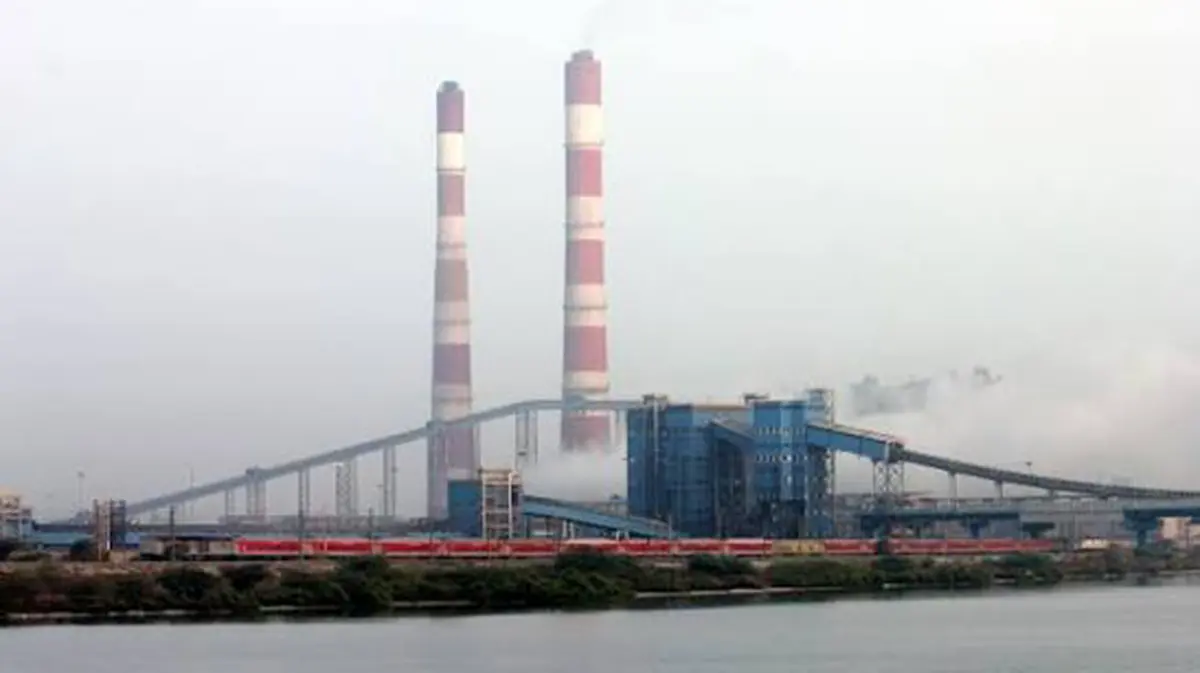
Vallur has three generating units of 500 megawatts each, giving a total installed capacity of 1,500 megawatts. It is situated in Tiruvallur district, north of Chennai. Its operator, NTPC Tamil Nadu Energy Company Limited (NTECL), is a joint venture of NTPC and Tamil Nadu Power Generation Corporation Limited. The operator records full-capacity commissioning in 2015. The present dispute therefore concerns an operating station, not environmental approval for a newly proposed plant.
The nearby Kosasthalaiyar river, its backwaters and the Ennore creek form part of a connected coastal setting opening towards the Bay of Bengal. River water, tidal exchange and human activity interact across this area. A discharge cannot be understood only by looking at the outlet within a plant boundary. Its path through channels and receiving waters matters, as do the locations where fishing and other activities take place.
Why a power station needs cooling water
In a coal-fired station, heat produces steam, which drives a turbine connected to a generator. After passing through the turbine, the steam must be condensed so that the water can be used again. Cooling removes heat from that process. The cooling-water system is therefore a major part of the station's operation, not a minor waste-handling accessory. Its design determines how water is taken in, circulated, treated and eventually released.
A recirculating system reuses cooling water after removing heat, whereas direct discharge transfers heated water into a receiving environment. Cooling towers help release heat to the atmosphere. Neither arrangement can be judged solely by its name: operating conditions, discharge location and compliance with permissions remain important. Water treatment also addresses pollutants other than heat. A temperature measurement alone cannot describe every aspect of effluent quality.
What the clearance and complaint say
The original environmental clearance dated 18 April 2007 covered the initial two 500-megawatt units. It described recirculating cooling with natural-draft towers. Its effluent condition required treated discharge through the lagoon associated with North Chennai Thermal Power Station. It also specified a temperature no more than 5°C above the receiving lagoon or sea's ambient temperature. This is a temperature difference, not a maximum water temperature of 5°C.
The application, as reported by the newspaper, alleges that the required arrangement was not implemented and discharge instead reaches the river through a canal. It cites community observations and an August fish-kill episode. The reported maximum temperature was 40.8°C at a particular location on 9 August. That is a claimed field observation, not a tribunal finding. Establishing responsibility requires examining the measurement conditions, discharge pathway and other possible sources of harm.
The operator's account is relevant evidence, not a verdict
NTECL's published compliance report for October 2025–March 2026 states that treated effluent reaches the sea through the North Chennai station's lagoon. It also states that discharge temperature is kept within 5°C of the receiving water's ambient temperature. These statements directly concern the disputed issues and should not be ignored. However, a company's compliance submission is not an independent determination of conditions during the later August incident.
The difference between the complaint and the operator's account identifies what investigation must resolve. Relevant evidence includes the actual flow path, applicable permissions and amendments, inspection records and comparable measurements. Measurements taken at different times or under different tidal conditions may not describe the same situation. The question is not which document sounds more definite, but whether verified conditions meet the requirements applying to the station.
How excess heat can affect aquatic life
Water temperature influences the amount of oxygen that can remain dissolved: warmer water generally holds less than colder water. Fish and other aquatic organisms depend on dissolved oxygen. Temperature also affects their biological processes and the conditions suitable for different species. Additional heat can therefore become an environmental stress even when it is not accompanied by a visibly coloured or foul-smelling discharge.
A fish kill nevertheless needs a broader investigation. Oxygen can also decline when organic matter decomposes, and water movement can affect dilution and aeration. Salinity, other pollutants and background conditions may matter too. A robust assessment would compare affected and reference locations while considering time, tides and plant operation. This approach can test whether thermal discharge contributed to harm without assuming that one striking observation explains the entire event.
What the tribunal process can establish
The National Green Tribunal (NGT), established under the 2010 Act, is a specialised forum for environmental disputes. Its southern bench is in Chennai. Issuing notices allows the operator and public authorities to respond and places the contested issues before the tribunal. Environmental clearance and coastal permissions set conditions rather than an unrestricted entitlement to discharge. Whether those conditions were breached, and what remedy is appropriate, requires examination through the proceedings.
Conclusion
The Vallur case concerns whether an operating power station's cooling and discharge arrangements comply with its permissions and protect receiving waters. The immediate task is to reconcile the complaint, the operator's submissions and field evidence. Electricity supply and coastal livelihoods both depend on accountable infrastructure management. A useful outcome would establish the actual discharge conditions and any necessary corrective measures. Neither the allegation nor the compliance declaration settles those questions on its own.