

Why in news?
A Hamburg-based biotechnology company called AquaNab is developing a feed-based treatment for sea lice in farmed salmon. The approach uses small antibody fragments originally derived from alpacas. According to the developer, these nanoantibodies can survive oral delivery and enter a fish’s bloodstream. The company has received funding to complete efficacy testing and prepare possible field trials.
This is an early research programme, not an approved cure. The reported milestone concerns delivery into blood, while protection against lice still needs testing. Commercial use may remain several years away and would require regulatory review. The development matters because present control methods can be costly, stressful for fish or vulnerable to parasite resistance.
Which “sea lice” are involved?
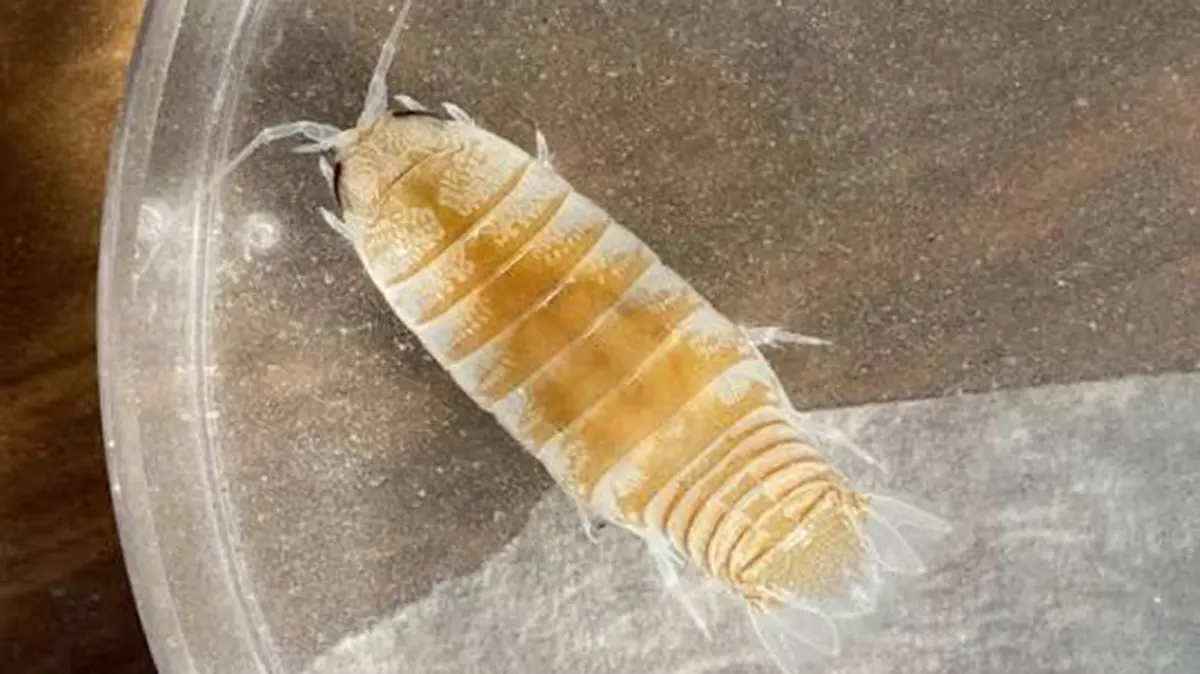
Sea lice in salmon farming are parasitic marine copepods. They are small crustaceans, not insects and not jellyfish larvae. The salmon louse Lepeophtheirus salmonis is a major species in northern salmon farming. Species of Caligus can also affect cultured fish. Their life cycles include free-swimming stages and stages attached to a host.
This usage should not be confused with “sea lice” on bathing beaches. That informal phrase sometimes describes skin irritation caused by jellyfish or sea-anemone larvae. The present research has no connection with that rash. It concerns copepod parasites living on salmon. Precise naming prevents two different biological problems from being mixed.
How the parasites harm salmon
Attached lice feed on mucus, skin and blood. Low numbers may cause limited damage, while heavy burdens create open wounds. Affected fish can lose their ability to control salt and water balance. Stress and weakened barriers also increase the risk of secondary infection. Young salmon moving between rivers and sea can be especially vulnerable.
Farmed salmon gather in large numbers within marine cages. That density can support rapid parasite reproduction unless farms control it. Free-swimming stages can move with local currents between cages and surrounding waters. The relationship with wild salmon depends on location, season and fish movement. Monitoring must therefore cover farms and the wider coastal environment.
What are nanoantibodies?
Camelids, including alpacas, produce unusual heavy-chain antibodies. Their small antigen-binding domains can be developed as single-domain antibodies, often called nanobodies or nanoantibodies. These fragments are much smaller than conventional antibodies. They can be stable and bind tightly to a chosen molecular target. Those features make them useful in research, diagnostics and potential medicines.
AquaNab exposes alpacas to selected proteins connected with the parasite. It then identifies useful antibody sequences and produces the fragments in controlled bioreactors. The intended product would be added to salmon feed. Molecules entering the fish’s circulation could reach lice while the parasites feed. The exact target, required dose and protective effect need independent technical evaluation.
Why oral delivery is attractive
Fish feed offers a familiar route across large farms. It could reduce the need to handle every fish during treatment. Mechanical removal and warm-water treatment can cause stress or injury if poorly managed. Bath medicines require careful dosing and environmental controls. Cleaner fish provide another biological method, but raise their own welfare and management concerns.
Oral delivery also creates difficult questions. Proteins can break down during feed manufacture, storage and digestion. Fish may eat unequal amounts when temperature, illness or competition changes appetite. A molecule found in blood may not remain there at a useful concentration. Researchers must establish duration, parasite reduction and safety across the production cycle.
Evidence needed before approval
Controlled trials should compare treated and untreated fish under the same exposure. Researchers must measure lice numbers, fish growth, behaviour and tissue effects. They should also test whether repeated use selects resistant parasites. Residue and environmental studies may be required for food-producing animals. Regulators will need reliable manufacturing and quality-control data.
Field trials are harder than laboratory tests. Water temperature, salinity and parasite pressure vary among farms. Feed intake also changes with fish size and health. Results should therefore cover different seasons and farming conditions. Published data and independent review would allow producers to judge benefits against costs and existing treatments.
Wider implications for aquaculture
The company hopes its platform can later target bacterial and viral diseases. That possibility remains a development aim, not a demonstrated outcome. Each pathogen requires a suitable target and separate proof. A method successful against an external parasite may not work identically against an internal infection. Regulatory approval would also apply to defined products and uses.
A new treatment should support integrated parasite management rather than replace it. Farms still need coordinated stocking, fallowing, barriers and regular counts. Treatment thresholds should protect fish welfare and reduce unnecessary exposure. Regional cooperation matters because water carries parasite stages across farm boundaries. No single product can correct poor site selection or weak management.
Proof of delivery is not proof of protection
The company reports that nanoantibodies entered the bloodstream after oral delivery. Researchers must still show that they reduce lice safely. Field performance may differ from laboratory performance. Dosing, manufacturing quality and regulatory acceptance also remain unfinished steps.
Conclusion
The AquaNab approach offers a novel way to deliver targeted biological molecules through feed. It responds to a real animal-health and industry problem. The early delivery result is useful, but it should not be described as a completed cure. Clear attribution protects readers from confusing a company milestone with clinical proof. Independent results will determine the technology’s true value.
If successful, feed delivery could reduce some handling and treatment burdens. It would still need careful use within broader parasite control. Fish welfare, food safety and environmental effects must remain central throughout development. Transparent trials will help regulators and farmers compare the method fairly. Promising biotechnology becomes public benefit only after dependable evidence.