

Why in news?
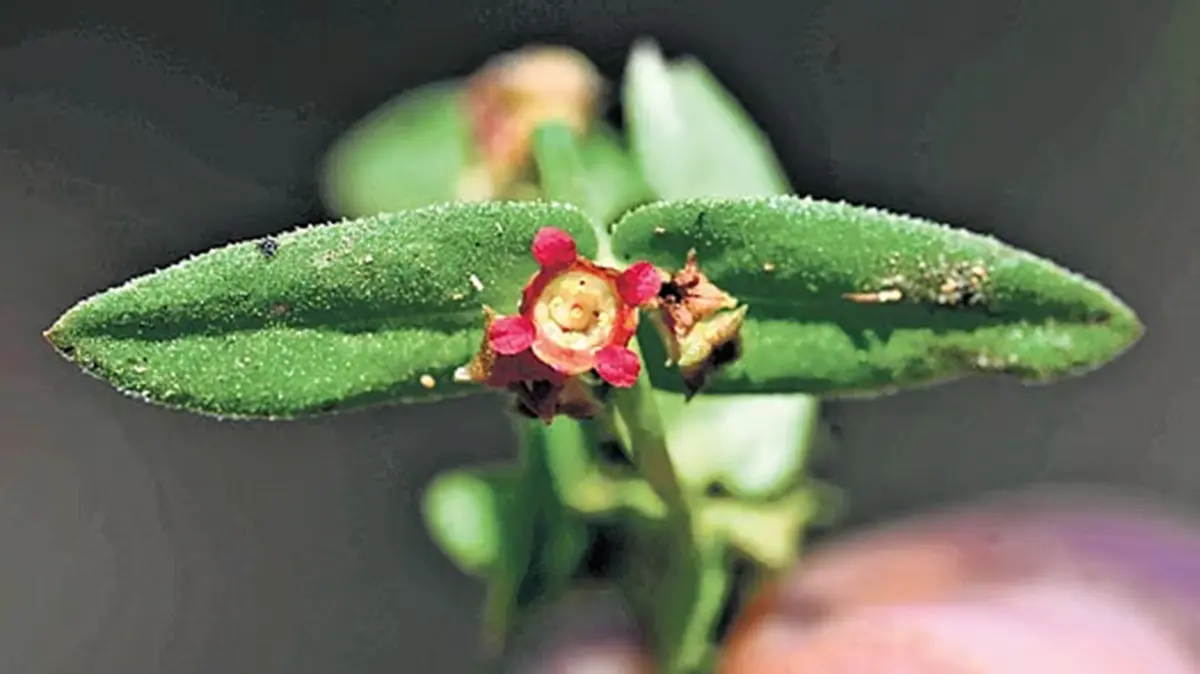
Botanists described a new flowering plant species from Telangana in the journal Phytotaxa. They named it Ammannia telanganensis after the state. Known collections came from Rangareddy and Nagarkurnool districts. The finding highlights the biological value of seasonal wetlands and stream margins.
What the research established
The peer-reviewed paper appeared on 16 July 2026. Researchers from the Botanical Survey of India and two universities authored it. They examined the plant’s visible structures and compared them with related species. This morphological evidence supported recognition as a distinct species.
The plant belongs to the family Lythraceae. This family also includes crape myrtles and pomegranate. Ammannia species are commonly associated with wet habitats. Several are small herbs that become noticeable only during suitable seasonal conditions.
How botanists distinguish it
The new species resembles Ammannia cordata and Ammannia prostrata. Botanists therefore compared the shape and arrangement of diagnostic parts. Its bracts are oblong or lance-shaped, with cordate or truncate bases. Its flowers occur in stalked cymes and have conspicuous petals.
The seed surface provides another useful character. The paper describes a cerebriform pattern, which resembles tightly folded ridges. Such features may appear minor to a casual observer. They can remain consistent and important in formal identification.
Where it has been found
Reported sites include wet areas in Rangareddy district. Other collections came from Amrabad Tiger Reserve in Nagarkurnool district. Both locations are in Telangana, but they represent different landscapes. The reserve lies within the Nallamala hill system.
The plant grows on wet sandy soil near seasonal streams and water margins. Researchers observed flowering and fruiting between November and February. These habitats change greatly through the year. A dry-season visit can therefore miss an entire annual plant population.
Why seasonal wetlands matter
Temporary pools and stream edges support specialised plants, insects and amphibians. Their ecological value does not depend on permanent standing water. Short wet periods can trigger germination and reproduction. Seeds may then persist through dry months within the soil.
Small wetlands are easily altered by drainage, roadwork or dumping. Sand removal can also change moisture and seed banks. These pressures may operate outside formal protected areas. Mapping the species’ habitat is therefore as important as recording its name.
How a new species is confirmed
A new name requires more than finding an unfamiliar plant. Researchers study specimens across life stages and compare earlier descriptions. They designate a type specimen and provide a formal diagnosis. Publication makes the evidence available for scrutiny and later revision.
Herbaria preserve reference specimens for this work. Future researchers can re-examine structure or obtain new evidence. Wider field surveys may extend the known range. They may also reveal hidden variation within the present description.
Conservation without premature claims
A narrow known range does not automatically prove that a species is endangered. It may partly reflect limited surveys. A defensible assessment needs population, range and threat data. The present discovery should therefore trigger careful surveys rather than an unsupported threat label.
Survey teams should revisit known sites during the flowering season. Local land-use plans can then protect essential water movement. Seed collection may support research, but habitat protection remains primary. Conservation decisions should follow documented population evidence.
New to science does not mean newly evolved
The plant existed before its formal description. The publication establishes a scientific name and diagnostic evidence. It also creates a reliable basis for future ecological and conservation work.
Conclusion
Ammannia telanganensis adds a distinct species to India’s documented flora. Its discovery also directs attention towards overlooked wet microhabitats. Taxonomy provides the identity needed for surveys and protection. Researchers should now map populations and seasonal threats. Conservation status must follow evidence rather than assumption.