

Environment

Biochar: Production Process, Benefits & Carbon Sequestration

Biochar: Production Process, Benefits & Carbon Sequestration

Why in news?

Recent research highlighted that applying biochar to soil can increase crop yields by 10 to 30 percent and improve water‑holding capacity by 10 to 25 percent, especially in nutrient‑poor soils. These findings have renewed interest in biochar as a sustainable farming input and climate mitigation tool.

Background

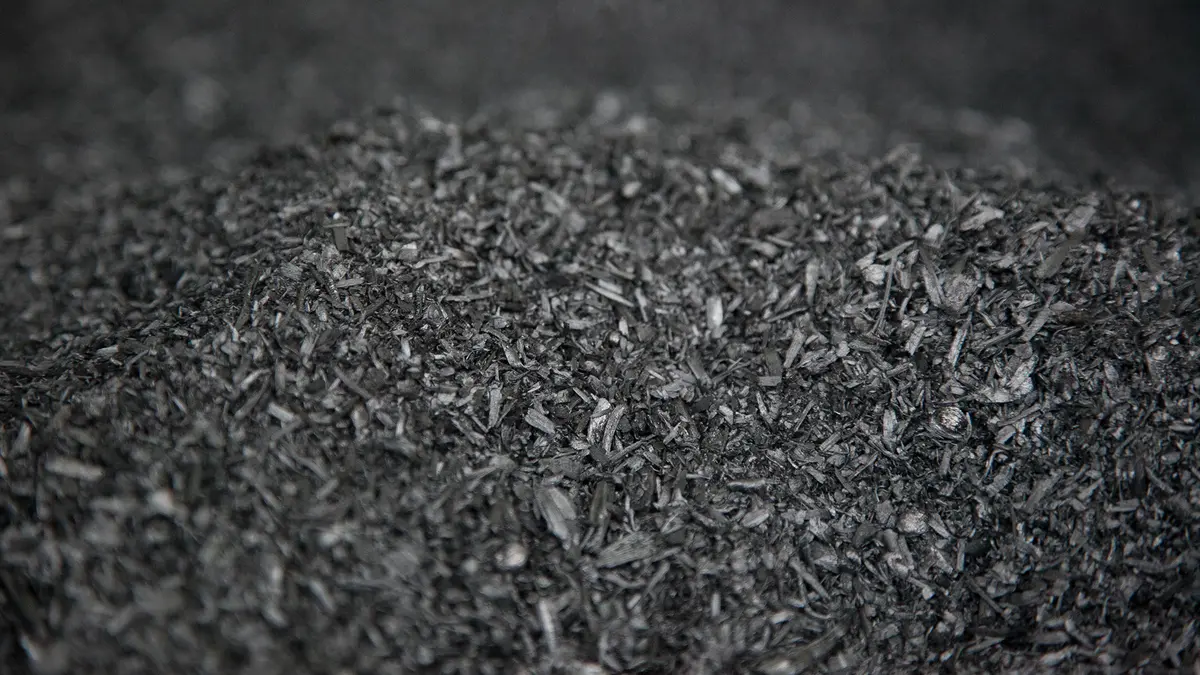
Biochar is a carbon‑rich material produced by heating biomass such as crop residues, manure or wood in the absence or near absence of oxygen – a process called pyrolysis. When buried in soil biochar persists for hundreds to thousands of years, acting as a stable carbon sink. Indigenous peoples in the Amazon created fertile “terra preta” soils by adding charcoal and organic waste, showing biochar’s potential long before modern science explored it.

Benefits

  • Soil improvement: Biochar’s honeycomb structure increases soil porosity, helping retain water and nutrients and providing habitat for beneficial microbes. This can reduce irrigation requirements and enhance plant growth.
  • Carbon sequestration: When produced from agricultural waste, biochar locks atmospheric carbon in a stable form. Depending on production conditions, it can store carbon for 100 to 10 000 years.
  • Industrial applications: Modified biochar can adsorb carbon dioxide from industrial exhausts, serve as a low‑carbon building material, and treat wastewater by binding contaminants.

Conclusion

Biochar offers a multi‑pronged approach to sustainable agriculture and climate mitigation. Wider adoption will depend on ensuring cost‑effective production, developing markets for co‑products and tailoring application rates to local soil conditions.

Sources

The Hindu

Prelims MCQ Practice

Evaluate Your Retention

Assess your readiness with 4 high-yield multiple-choice questions on this article.

Mark your answers, submit, and see the key with explanations. Answers count only toward anonymous totals — nothing is linked to you, and it resets when you close this tab.

Practice questions 0 of 4 answered

Your result

0 / 4

Only anonymous totals are kept — nothing is linked to you. This resets when the tab closes.

1.

Biochar is produced by which one of the following processes?

2.

With reference to biochar, consider the following statements:

1.Biochar buried in soil resists decomposition and can hold carbon for centuries.
2.Its porous structure improves the ability of soil to retain water and nutrients.

Which of the statements given above is/are correct?

3.

The dark, unusually fertile soils known as terra preta, often cited as an early use of biochar, are found in:

4.

Converting paddy straw into biochar is promoted in north-western India mainly as an alternative to:

Answer all 4 questions, then submit.
Sign in Today’s news
Current affairs Daily news Daily quiz News Blitz Shorts Economic Survey 2025-26 Subjects
Polity Economy Geography Environment History Science & Tech Intl. Relations Internal Security Art & Culture Social Issues
All subjects Exam info UPSC Syllabus Prelims syllabus Mains syllabus Exam pattern Eligibility & attempts OBC & EWS checker Resources Free downloads Booklist 2026 Previous year papers Video notes YouTube channel