

Why in news?
Environmental experts and an expert panel appointed by India’s Supreme Court have urged a nationwide ban on planting Conocarpus species in urban landscapes. States such as Tamil Nadu and Gujarat already prohibit its use, and courts are considering broader restrictions after reports of health problems and ecological damage.
Background
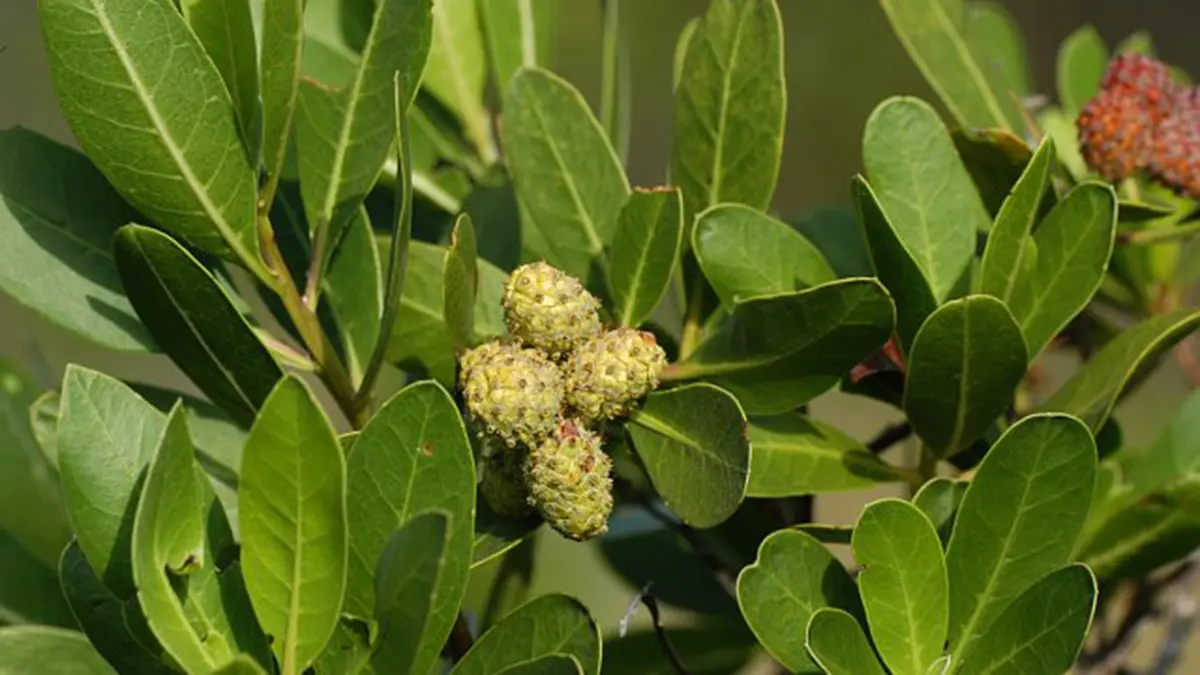
Conocarpus, commonly called the buttonwood or mangrove tree, is native to coastal regions of Florida, the Caribbean and West Africa. In India it became popular in cities like Ahmedabad and Chennai during the 2000s because it grows fast, tolerates drought and forms a dense green canopy. Municipalities planted it along roads and riverfronts to create shade and beautify landscapes.
However, field studies and anecdotal reports show that Conocarpus provides little food for birds and insects, earning it the nickname “green desert”. Its pollen and sap can trigger respiratory allergies, coughs and asthma. The tree’s aggressive roots suck groundwater and can damage drains, footpaths and foundations.
Issues and recommendations
- Ecological impact: Conocarpus lacks nectar and fruit for local fauna and can outcompete native species. Areas planted exclusively with this tree show reduced bird and pollinator diversity.
- Health concerns: Doctors report increases in allergy cases during its flowering season. The plant’s airborne pollen can irritate the respiratory tract of sensitive individuals.
- Infrastructure damage: Its roots penetrate pipelines, sewer lines and pavements. City engineers note higher maintenance costs where the tree has been planted densely.
- Policy responses: Gujarat banned the tree in 2023, and Tamil Nadu began removing it in 2025. An expert panel advising the Supreme Court recently recommended extending the ban nationwide and replacing Conocarpus with native species such as neem, jamun and peepal.
Conclusion
The Conocarpus controversy demonstrates that fast‑growing ornamentals can have hidden costs. Urban planners are now prioritising native trees that support biodiversity, use less water and pose fewer health risks. Careful species selection and regular monitoring will be essential to create greener, healthier cities.