

Why in news?
A science report in The Hindu examines why fungal infections can become increasingly difficult to treat. It begins with dermatophytes, the fungi responsible for common infections of skin, hair and nails, before discussing wider resistance research. The distinction is important: the July 2026 genetic study concerns Indian samples of the yeast Candida auris, not dermatophytes. Meanwhile, health authorities have separately documented severe, drug-resistant ringworm associated with fungi such as Trichophyton indotineae. Together, these developments show why identifying the fungus and understanding its response to medicines matter. They do not mean that every itchy skin patch is resistant or that a new treatment has already been proven in patients.
What dermatophytes infect
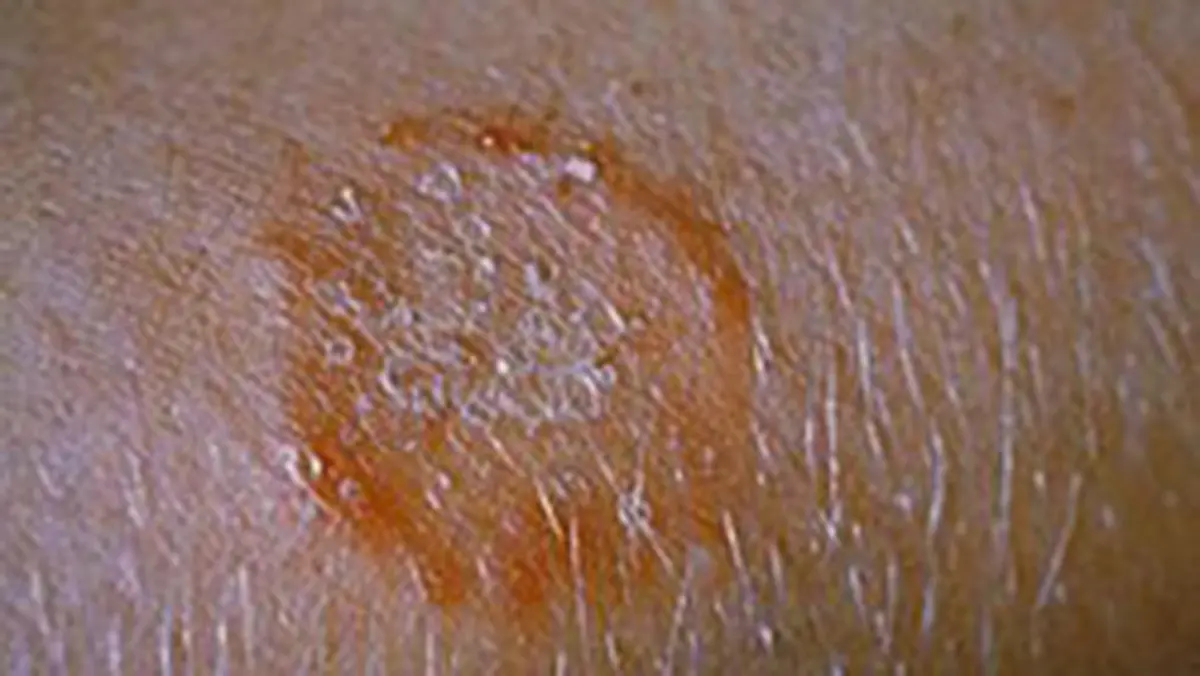
Dermatophytes use keratin, the structural protein found in the outer skin, hair and nails. Their infections are called dermatophytosis or tinea. The familiar term ringworm refers to the ring-like appearance of some skin lesions, not to infection by a worm. Athlete's foot and some fungal nail infections belong to this broader group. The affected body site helps determine symptoms, testing and treatment; the word ringworm does not describe one identical illness everywhere.
These fungi usually grow in keratinised tissues near the body's surface. However, describing them as completely incapable of affecting deeper tissue would be too absolute. Extensive or unusual disease can occur, particularly when a person's defences are impaired. The usual superficial pattern remains different from a bloodstream infection caused by an invasive yeast. This distinction prevents a discussion of serious hospital fungal infections from making ordinary ringworm appear to be the same disease.
How infection moves between people and places
Transmission can occur through contact with an infected person or animal, or through contaminated objects and surfaces. Shared towels, bedding and damp communal areas can help maintain exposure. Different dermatophytes are associated with human hosts, animals or soil, so the likely source is not identical for every infection. Warm, moist conditions can favour fungal persistence, but finding a rash does not reveal exactly where a person acquired it.
Prevention therefore combines treatment with reducing opportunities for spread. Keeping skin dry, avoiding shared personal items and addressing infection in close contacts or animals when appropriate can matter. Persistent symptoms deserve professional assessment rather than repeated changes between unverified creams. Other skin conditions can resemble fungal disease, and treatment chosen from appearance alone may fail for reasons unrelated to resistance. A correct diagnosis is the starting point for interpreting an apparent treatment failure.
What resistant ringworm changes
The United States Centers for Disease Control and Prevention (CDC) identifies emerging dermatophytes that can cause severe or difficult-to-treat infections. One is Trichophyton indotineae, which has spread widely in South Asia and has also been reported elsewhere. It may carry changes that reduce susceptibility to terbinafine, a commonly used antifungal. Resistance belongs to the fungus, not to a patient who has somehow become immune to a medicine.
Laboratory identification can be difficult because closely related fungi may look alike in routine tests. More advanced molecular methods may be needed to distinguish them, while susceptibility testing examines their response to drugs. CDC also identifies inappropriate antifungal use and some steroid-containing combination creams as concerns. A steroid can reduce inflammation without eliminating the infection, making the rash appear temporarily improved. That apparent relief is not proof that the organism has been cleared.
What the separate Candida study found
The July 2026 Nature Communications study examined genetic variation in 79 Indian clinical isolates of Candida auris. An isolate is a sample of an organism grown from a clinical specimen for investigation. Unlike the moulds responsible for ringworm, this organism is a yeast associated with serious healthcare-related infections. The study investigated how changes in the organisation and number of genetic copies can affect antifungal responses.
Researchers identified duplicated genetic segments around ERG11, a gene involved in producing a component of the fungal cell membrane. Extra copies can increase the amount of a drug-related target and contribute to reduced susceptibility. They also examined larger structural changes and additional chromosomes associated with altered responses to another antifungal class. These mechanisms extend the explanation beyond single-letter genetic mutations. However, they are findings about the studied organism, not proof that every dermatophyte uses the same mechanism.
Why laboratory findings cannot become a simple dosing rule
A medicine's effect in a laboratory culture is only one part of treatment decisions. Clinicians must also consider where an infection is located, the patient's condition and whether safe drug concentrations reach that site. A finding that fungal growth changes at higher concentrations cannot be translated directly into advice to increase a patient's dose. The study supports more careful investigation of resistance; it does not supply a universal prescription.
The practical connection between these different fungal problems is the need for accurate diagnosis, appropriate prescribing and laboratory support. Repeatedly exposing an unidentified organism to unsuitable medicines can delay effective care. At the same time, not every unsuccessful course indicates genetic resistance: adherence, reinfection and an incorrect diagnosis can also matter. Understanding those alternatives allows a persistent infection to be investigated without treating all fungal disease as one undifferentiated threat.
Conclusion
Dermatophytes explain many familiar surface infections, but emerging resistance can make some cases much harder to manage. The wider research shows that fungi can adapt through several genetic routes. The useful response is organism-specific diagnosis and evidence-based treatment, while keeping ringworm, invasive yeast infections and laboratory discoveries clearly distinguished.