

Why in news?
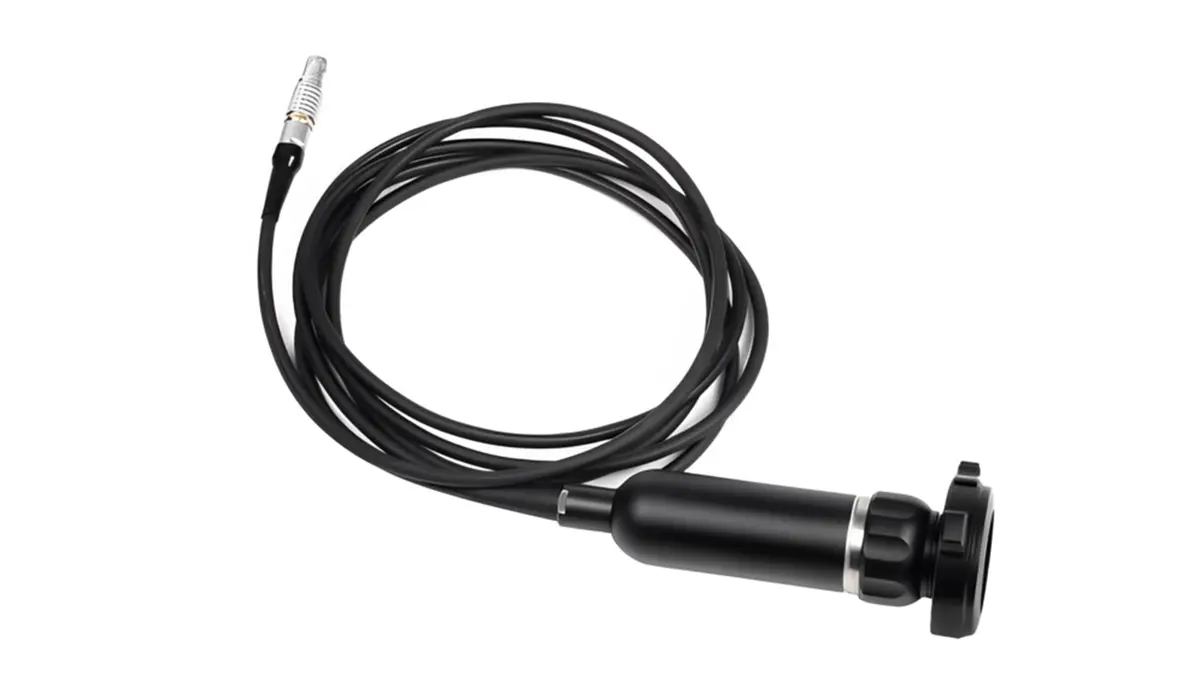
Raipur Police arrested a professor and five students over an alleged examination-paper leak in Chhattisgarh. Police said a thin endoscopic camera entered a sealed envelope through a needle-sized opening. Questions from an entomology paper were allegedly copied and shared before the 20 August examination. The university cancelled the examination after receiving an alert that morning. Arrests and police allegations do not establish guilt, which must be decided through investigation and trial.
The alleged sequence
The paper belonged to a second-year Bachelor of Science agriculture examination. It covered entomology and was scheduled across 28 affiliated colleges. Around 1,200 students were expected to sit it. The university had distributed sealed packets before the examination date through its normal custody process.
Police alleged that the professor took a packet home after collecting it. A narrow camera reportedly captured questions through a small puncture. About 15 questions were then allegedly transcribed. Investigators said the material was sold for ₹11,000 and circulated through messaging channels.
How the university responded
Indira Gandhi Krishi Vishwavidyalaya received an email warning at about 8.41 am. The examination was due to begin at 10 am. Officials cancelled it before the scheduled session and ordered a fresh test. The university also formed an internal committee to examine the breach.
For another paper, officials sent a one-time password shortly before the examination. This reduced the time available to access the final document. It was an emergency control rather than a complete security solution. Digital release also needs strong authentication, encryption and recovery arrangements.
What an endoscopic camera is
A medical endoscope is a slender instrument used to view inside the body. It carries illumination and an imaging system at or near its tip. Flexible designs transmit video to a display. Doctors use different forms for diagnosis and minimally invasive procedures.
Cheap inspection cameras use a similar viewing idea for pipes, engines or narrow gaps. They are often called borescopes or endoscope cameras in shops. The reported device has not been established as a certified medical instrument. Its relevant feature was a tiny camera that could enter a narrow opening.
Why sealed packets can fail
A seal mainly shows whether ordinary opening occurred. It cannot defeat every method of seeing through or around packaging. A tiny puncture may escape casual inspection. Extended private custody creates more opportunity. Security must therefore protect the complete chain, not rely on one envelope.
Good custody uses numbered packets, access logs and two-person handling. Storage areas need controlled entry and recorded transfer times. Random inspection can identify damaged seals. Printing should occur as late as practical. Each measure closes one path while preserving accountability.
Legal position
Police cited sections 4, 5 and 10 of the Chhattisgarh Public Examination (Prevention of Unfair Means) Act, 2008. They also cited section 316 of the Bharatiya Nyaya Sanhita. The exact application of each provision will depend on evidence and judicial interpretation.
Investigators must preserve the camera, messages, payment trail and packet. Digital evidence needs a documented chain of custody. Device extraction should retain metadata and integrity. Witness accounts require independent checking. The accused retain procedural rights and the presumption of innocence.
Institutional lessons
Universities should map every person who can access a paper. Staff rotation alone does not remove risk. Role-based access and dual authorisation can reduce unchecked custody. Different question sets can limit the value of one compromise. Secure audit logs make later investigation easier.
Technology can also create new weaknesses. An online system may face hacking, credential theft or network failure. Late release requires backup power and verified recipients. Printed copies may still be necessary at remote centres. The best model layers physical, digital and human controls.
Protecting students and academic credibility
A cancelled examination imposes travel, cost and anxiety on innocent students. The fresh schedule should provide reasonable notice and accessible centres. Officials must explain which paper was affected without exposing evidence. Academic calendars may need adjustment. Support should reach students facing genuine hardship.
Public confidence depends on transparent corrective action. The university should publish findings after due process, subject to legal limits. Procurement and custody rules may then be revised. Staff training should use the actual failure mode. Accountability must address both individual conduct and system design.
Report the case as an allegation
Police statements describe an alleged method and payment. They are not a conviction. Names, legal sections and technical claims can change during investigation. Careful language protects accuracy and due process.
Conclusion
The case shows how a simple miniature camera can exploit an overlooked physical gap. A stronger response requires more than replacing one envelope. Universities need layered custody, late access, reliable logs and tested digital safeguards. Students also deserve timely communication and a fair fresh examination. The final legal finding must rest on preserved evidence, not public assumption.