

Why in news?
Researchers recently identified a transporter protein that regulates glutathione levels inside the endoplasmic reticulum (ER), shedding light on how cells maintain the proper environment for protein folding. The study, published in Nature Cell Biology, links mutations in this transporter to rare neurodevelopmental disorders.
Background
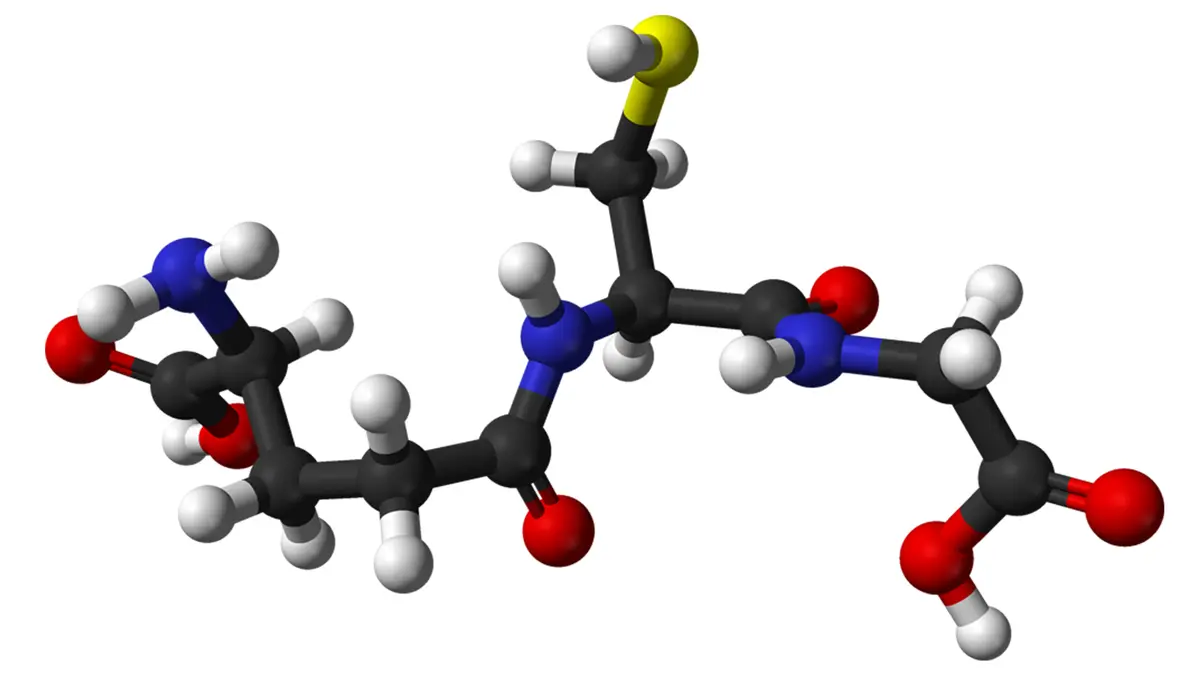
Glutathione (GSH) is a small molecule made of three amino acids. It acts as a key antioxidant, detoxifying reactive oxygen species and maintaining a balance between oxidised and reduced conditions inside cells.
The endoplasmic reticulum is the cell’s protein‑folding factory. It requires an oxidising environment to form disulphide bonds in newly synthesised proteins, whereas the rest of the cell is more reducing. This difference is maintained by regulating the transport of glutathione between compartments.
Main findings
- Identification of SLC33A1: Scientists discovered that the membrane protein SLC33A1 transports oxidised glutathione (GSSG) into the ER while exporting reduced glutathione (GSH). This exchange helps maintain the oxidising environment necessary for proper protein folding.
- Redox balance: The transporter ensures that misfolded proteins are corrected or degraded. Disturbances in this balance can lead to accumulation of misfolded proteins, triggering diseases.
- Clinical relevance: Mutations in SLC33A1 are associated with the rare Huppke‑Brindle syndrome, characterised by developmental delays and liver problems. Understanding its function may inform therapies for neurodegenerative and metabolic disorders.
Broader implications
Insights into glutathione transport could lead to new strategies for treating diseases caused by oxidative stress or ER stress, including Alzheimer’s, Parkinson’s and certain cancers. It also highlights how finely tuned redox regulation is crucial for cell health.