

Why in news?
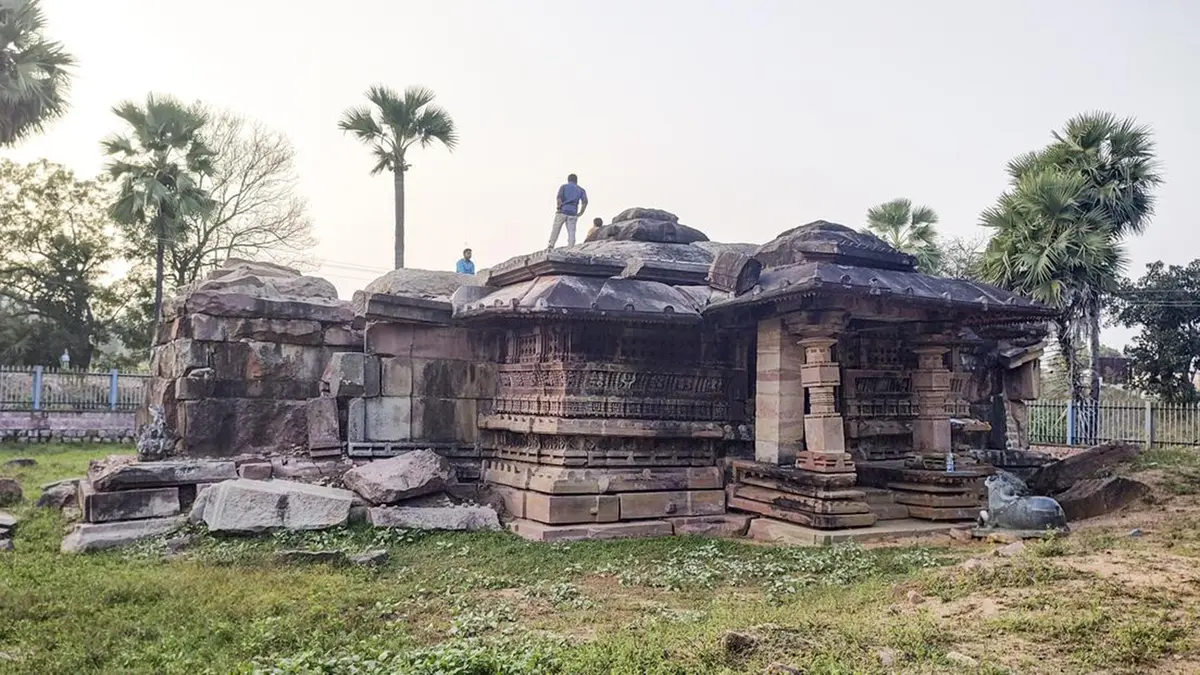
The Union government has declared Gollala Gudi in Telangana a monument of national importance. The final notification is dated 31 August and was published on 1 September. It covers 0.25 acre in Palampet village of Mulugu district. The decision brings the temple under the central archaeological protection law.
What the notification says
The Gazette notification identifies land within survey number 417/3 at Palampet. It acts under Section 4 of the Ancient Monuments and Archaeological Sites and Remains Act, 1958. A preliminary notice had been issued on 6 March 2026. The government allowed two months for objections from affected persons.
The final notice records that no objections were received within that period. It then uses Section 4(3) to confirm national importance. The Archaeological Survey of India will administer central protection under the Act. This is a legal designation, not merely a tourism label.
Protection governs damaging activity, conservation work and development around a notified monument. It also supports documentation and planned maintenance. Effective care still requires staff, technical study and cooperation with local authorities. A Gazette entry cannot solve physical deterioration by itself.
The temple's form and artistic value
Gollala Gudi is a trikutalaya, or temple with three sanctums. An east-facing pillared hall connects the shrines. The sanctums are arranged towards the north, south and west. This compact plan belongs to the wider Kakatiya architectural landscape around Palampet.
Its surviving stonework includes decorated parapets, bird friezes and pierced stone screens. These screens admitted light and air while creating patterned surfaces. Carving gave structural parts an artistic role. The monument therefore helps explain both worship and craftsmanship in the Kakatiya period.
The temple is smaller than nearby Ramappa Temple, but scale does not determine heritage value. Smaller structures reveal settlement patterns and relationships within a sacred landscape. They may preserve regional designs missing from a major shrine. Protecting them prevents history from narrowing to one famous monument.
Palampet and the Ramappa landscape
Palampet lies in Mulugu district, about 200 kilometres north-east of Hyderabad. The settlement sits amid agricultural land, wooded areas and low hills. Ramappa Cheruvu, a large historic reservoir, forms part of this cultural landscape. Water management and temple building developed together under Kakatiya rule.
The Rudreshwara Temple, widely called Ramappa Temple, stands close to Gollala Gudi. Construction of that main temple began in 1213. It combines sandstone with carved granite and dolerite. Lightweight porous bricks were used in its tower structure.
The United Nations Educational, Scientific and Cultural Organization inscribed Ramappa Temple on the World Heritage List in 2021. It recognised Kakatiya engineering, sculpture and adaptation to the setting. A minor boundary modification was recorded in 2025. Its documentation places Gollala Gudi within the revised heritage precinct.
Why separate legal protection matters
World Heritage recognition and Indian monument law perform different functions. The international listing concerns outstanding universal value and agreed property boundaries. National notification creates duties and controls under Indian legislation. One status does not automatically replace the other.
Separate notification gives Gollala Gudi a clear legal identity for conservation. Authorities can prepare condition records and prioritise repairs based on evidence. Archaeological work must use compatible materials and avoid speculative rebuilding. Drainage is especially important during intense seasonal rain.
The wider setting also needs coordinated planning. Roads, visitor facilities and commercial activity can affect views, water movement and buried remains. Conservation should involve residents whose daily lives surround the monument. Local guides and crafts can benefit when tourism remains well managed.
From recognition to conservation
The first task should be a detailed condition assessment. It can record cracks, biological growth, water damage and unstable stones. Digital documentation provides a reference before any intervention. Regular maintenance is often safer and cheaper than emergency reconstruction.
Visitor information should explain Gollala Gudi on its own terms. Signs can connect its three-shrine form with the larger Kakatiya landscape. They should also distinguish the national notification from the World Heritage inscription. Accurate interpretation strengthens respect for both sites.
Conclusion
National protection gives Gollala Gudi a stronger legal basis for conservation. The small temple adds depth to the better-known Ramappa landscape. Its stone plan and carvings preserve valuable Kakatiya evidence. Protection now needs scientific maintenance and sensitive visitor management. Local participation can keep conservation connected with Palampet's living community.