

Why in news?
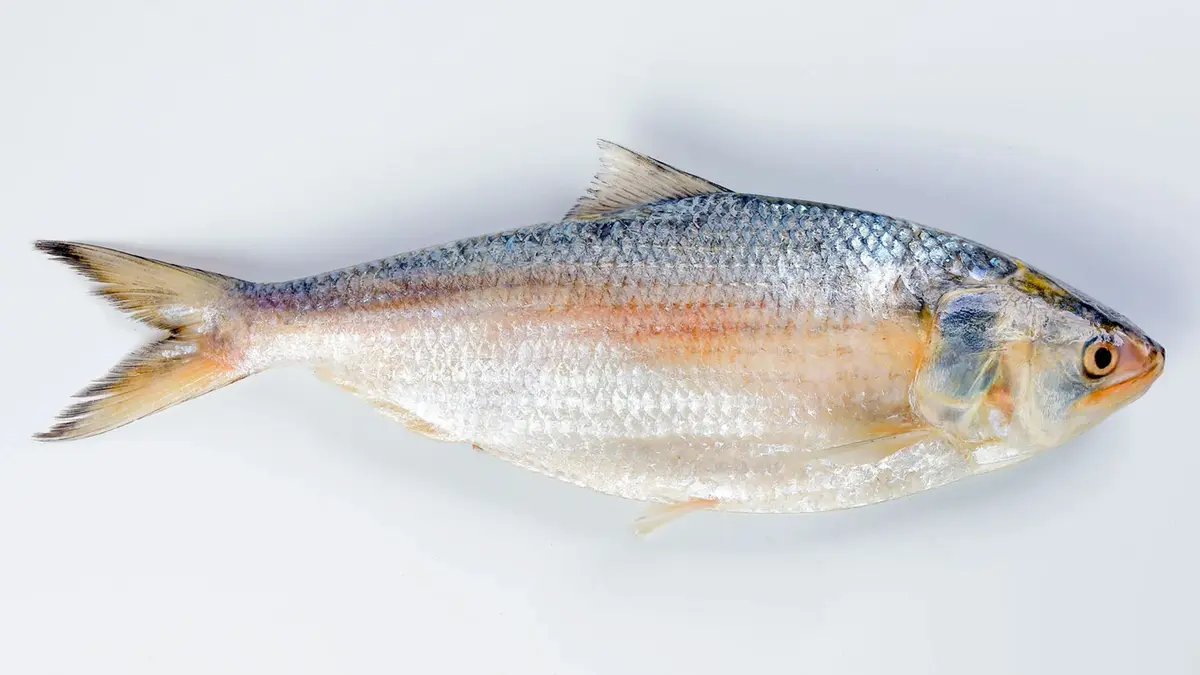
Indian traders have been sending hilsa to Bangladesh, reversing the direction usually associated with the fish’s trade across this border. The Indian Express reported on 15 September that roughly 500 tonnes had crossed through Petrapole over two months. Its account, based on trade representatives, traced much of the supply to Gujarat through the Howrah market. Hilsa is a highly valued shad whose life connects coastal waters, estuaries and rivers. The reported shipments matter because Bangladesh is normally associated with supplying the fish to Indian consumers. However, these are traders’ shipment estimates, not independently audited customs totals. They establish a reported trading development, not a permanent reversal of the wider market or proof that fish stocks have recovered.
The fish is not confined to Bengal
The species at the centre of this trade is Tenualosa ilisha, commonly called hilsa or ilish. Its strong association with Bengali food can obscure its wider natural distribution. FishBase records it across an Indo-West Pacific range, including the Persian Gulf and waters extending towards Southeast Asia. It occurs in marine, brackish and freshwater environments.
Indian fisheries research documents hilsa in both eastern and western river systems. These include the Ganga–Hooghly system, Brahmaputra and Godavari, as well as the Narmada and Tapi. The Gujarat origin in the latest report is therefore biologically plausible, not evidence that a Bengal-only fish has suddenly appeared on the western coast.
Petrapole is the West Bengal border gateway identified in the report, while Howrah serves as a trading centre on the Indian side. The reported route connects a source region, a wholesale market and a land crossing. Those are different stages of a commercial journey. They should not be mistaken for the fish’s natural migration route.
How a fish can belong to both sea and river
Hilsa is widely described as anadromous: it can grow in coastal waters and move into rivers to reproduce. Estuaries form the transition between those environments, where river water mixes with seawater. Tolerance of changing salinity allows the fish to use this connected landscape. Freshwater flow and seasonal conditions influence the opportunity to move upstream.
The pattern is not identical in every population. Fisheries accounts also describe hilsa remaining within freshwater systems. It would therefore be misleading to require every individual to complete one rigid sea-to-river cycle. The central point is that the species uses several connected habitats, so pressures in a river or estuary can affect fisheries elsewhere.
Hilsa feeds substantially on plankton, the small organisms suspended in water. Its ecological requirements include more than an unobstructed channel. Food availability, suitable water conditions and access to breeding areas all matter. A river may remain visibly full while changes in its flow or habitat still alter the conditions needed by fish.
What the new trading account does—and does not—show
The newspaper’s sources described demand for processing as well as ordinary consumption. They said roe could be separated and processed, while fish could be salted or dried. Such uses help explain why a country known for hilsa production might also import particular supplies. Different grades, seasons and processing requirements can create trade in both directions.
The report also mentioned an expected further 150–200 tonnes. That was a forecast, not part of the completed shipment total. Its description of an unprecedented reversal came from a trade representative; the account did not supply a historical customs series proving a national first. The development can be reported clearly without converting either statement into a verified long-term trend.
Trade volumes cannot substitute for conservation evidence
FishBase records a global Least Concern assessment by the International Union for Conservation of Nature, dated January 2013. This category concerns extinction risk across the species’s assessed range. It does not certify that every river population is abundant or that current catches are sustainable. A wide-ranging species can face serious pressure in particular fishing grounds.
Research from Indian fisheries institutions identifies overfishing and habitat modification as concerns, while also examining captive breeding and farming. The logic is connected: catching breeding adults or juveniles can reduce future supply, and disrupted river conditions can make recovery harder. Cultivation research may create additional options, but it does not make wild habitat protection unnecessary.
Conservation therefore needs information about where fish are caught, their sizes and the condition of their habitats. An export consignment alone cannot answer those questions. Similarly, a rise in marketed fish might reflect changed sourcing rather than a larger local stock. Keeping ecological evidence separate from trading evidence prevents a temporary commercial shift from becoming a misleading conservation success story.
Conclusion
The reported India-to-Bangladesh shipments show how a culturally familiar fish can move through less familiar supply chains. Gujarat’s role fits hilsa’s wider distribution, while processing demand helps explain the direction of trade. Whether this becomes a sustained pattern requires further trade data; whether it is sustainable depends on evidence from the rivers and coasts supplying it.