

Why in news?
Researchers at the Indian Council of Medical Research’s National Institute of Nutrition studied lead in a human neuroblastoma-derived cell line. They tested lead together with two forms of amyloid-beta, a protein linked with changes in several brain diseases. Combined exposure caused greater damage to the cells’ waste-clearing system than either exposure alone. The laboratory finding was reported nationally on 24 August.
What the study tested
The researchers used a human cell line called SH-SY5Y. Such cells provide a controlled model for studying nerve-cell processes. The team exposed them to lead and two amyloid-beta fragments. It then measured changes in lysosomes and cell survival.
Lysosomes break down damaged proteins and other cellular waste. They require an acidic internal environment and an intact membrane. The combined exposure weakened both functions. It also altered genes and proteins that help maintain lysosomal health.
The result suggests a biological pathway through which pollution may intensify an existing cellular stress. It does not show that lead alone causes Alzheimer’s disease. It also does not predict disease in an individual person. Human exposure involves doses, timing and conditions not reproduced fully in a dish.
Lead and human exposure
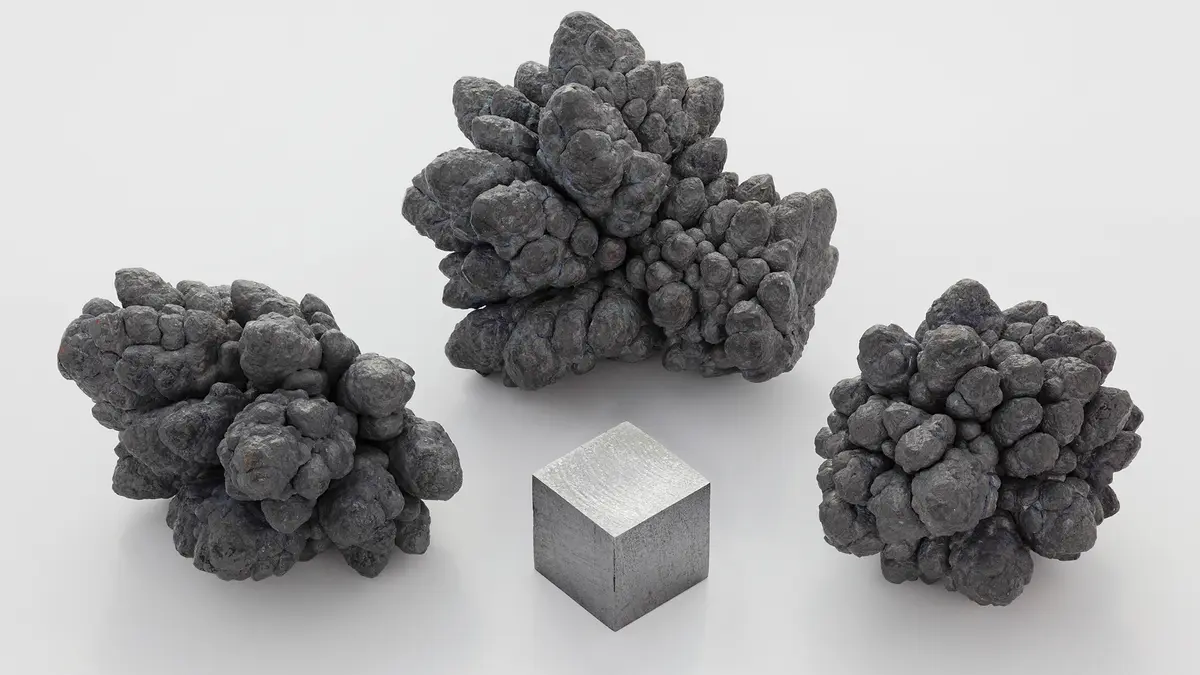
Lead is a naturally occurring toxic metal. Its chemical symbol is Pb, from the Latin word plumbum. Mining, smelting, manufacturing and unsafe recycling can release it. Lead-acid batteries account for most global lead use.
Exposure can also come from contaminated dust, soil, water or food. Old paint and some plumbing materials remain important sources. Certain cosmetics, medicines, spices, pottery glazes and toys may contain lead. Risk depends on local products and industrial practices.
People may inhale particles or swallow contaminated material. Workers can carry dust home on clothes and shoes. Informal battery recycling creates serious neighbourhood exposure. Children often ingest more dust through frequent hand-to-mouth activity.
Why children face greater harm
A child’s brain and nervous system are still developing. The body may absorb a larger share of swallowed lead than an adult body. Iron or calcium deficiency can increase absorption. Even exposure without obvious symptoms can affect learning and behaviour.
The World Health Organization says no known exposure level is harmless. Very high exposure can cause coma, convulsions and death. Lower exposure can reduce attention and educational attainment. Some neurological effects in children can be permanent.
Effects across the body
Lead travels through blood to the brain, liver, kidneys and other organs. It accumulates in bones and teeth over time. Stored lead may return to blood during pregnancy. This can expose a developing fetus.
Adults can face raised blood pressure, kidney injury and cardiovascular harm. Lead can also affect blood formation and reproductive health. Symptoms are often non-specific. Blood testing is the main method for assessing recent exposure.
India’s public-health challenge
India combines large battery use with extensive informal recycling. Lead paint, industrial emissions and contaminated products add other routes. Exposure patterns vary greatly between communities. National estimates should therefore guide action, not replace local measurement.
A 2022 Indian government-linked assessment reviewed available evidence and major data gaps. It called for stronger surveillance and source identification. Reliable laboratories are essential for blood and environmental testing. Results must lead to removal of the exposure source.
Prevention works at the source
Safe battery collection and formal recycling can prevent widespread contamination. Paint standards need testing and enforcement. Water systems should identify lead pipes, solder and fittings. Workplaces require ventilation, protective equipment and hygiene facilities.
Health care can detect and manage exposed people. Treatment cannot make a contaminated home or workplace safe. The first duty is to stop continuing exposure. Chelation is a medical treatment for selected cases, not a general preventive measure.
A new global policy framework
The World Health Organization introduced an overview of its PREVENT package in May 2026. The name describes six actions for lead prevention. They cover prioritising sources, responding to cases and engaging partners. They also cover verifying rules, enforcing them and tracking progress.
The package encourages health, environment, labour and industry authorities to work together. Lead moves across product supply chains and waste systems. No single department can control every route. Data should identify the most dangerous sources before resources are spread too thinly.
A cell study is an early form of evidence
The Indian study explains a possible mechanism under laboratory conditions. It does not prove that the tested combination causes a particular disease in people. Population studies and clinical evidence are still required.
Conclusion
The study adds useful detail to the known neurotoxicity of lead. Its greatest value lies in identifying how combined cellular stresses may interact. Public-health action should still focus on prevention, testing and source removal. Children and exposed workers need special protection. Careful reporting must respect the difference between a laboratory mechanism and a proven human disease pathway.