

Why in news?
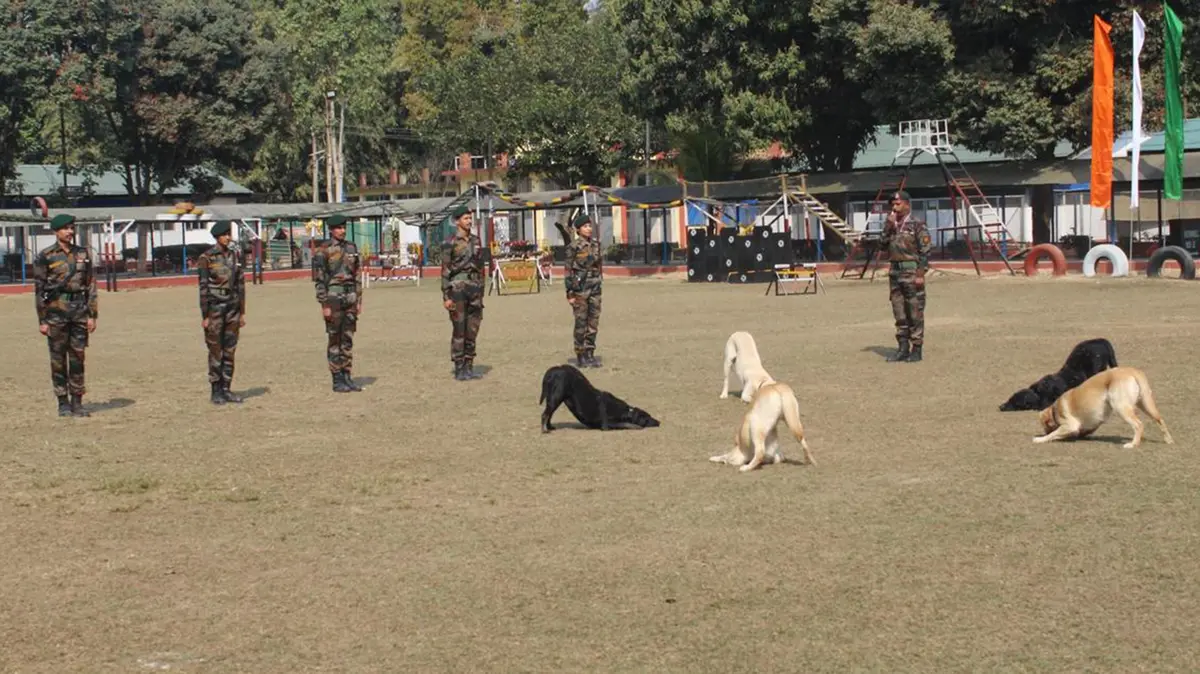
The Assam Rifles, India’s oldest paramilitary force, has begun a pilot project to induct indigenous dog breeds under the Aatmanirbhar Bharat programme. The force has already deployed the Tangkhul Hui (also called Haofa) from Manipur and plans to add the Kombai from Tamil Nadu to its canine units. This marks a shift from reliance on imported breeds and aims to boost local breeding and self‑reliance in defence.
Background
India has a rich variety of native dog breeds that evolved to suit local climates and work alongside rural communities. Until recently military and police units relied mainly on German Shepherds, Labradors and Belgian Malinois. The government’s self‑reliance push has encouraged security forces to consider hardy indigenous breeds.
Tangkhul Hui (Haofa)
- Origin: This medium‑sized hunting dog belongs to the Tangkhul Naga people of Manipur’s Ukhrul district. Its name combines “Tangkhul” (tribal community) and “Hui” meaning dog.
- Appearance and traits: Tangkhul Hui dogs are usually black or dark brown with white markings. They have pointed ears, thick fur and bushy tails. Bred for hunting deer and wild boar, they possess excellent stamina and agility.
- Status: The breed is rare and not recognised by international kennel clubs. Local communities are trying to preserve it through registration and controlled breeding. The Assam Rifles started inducting Tangkhul Hui dogs in 2022, and they will be fully integrated by 2027.
- Role in security: In paramilitary units the Tangkhul Hui is being trained for patrolling and detection duties, especially in the hilly northeast where its sure‑footedness and resistance to local diseases offer advantages.
Kombai (Polygar dog)
- Origin: The Kombai originates from the Cumbum–Uthamapalayam region of Tamil Nadu. Historically the breed guarded farmlands and livestock for warrior chieftains known as polygars, hence the alternative name “Polygar dog.”
- Appearance and traits: This strong, medium‑to‑large dog has a short double coat, reddish‑brown colour and a muscular build. It is courageous, fiercely loyal to its owner and wary of strangers.
- Historical significance: The Kombai was used in the 18th century by polygars during conflicts with the British. It is also said that Tipu Sultan received Kombai dogs from these chiefs to strengthen his forces.
- Potential role: The Assam Rifles plans to induct the Kombai after evaluating its suitability for tasks such as tracking, narcotics detection and guarding. Being native to warm plains, it may also assist forces in southern India.
Significance
- Self‑reliance: Using indigenous breeds reduces dependence on imported dogs and encourages Indian breeders to develop pedigree lines.
- Adaptability: Native breeds are better adapted to local climates, resist endemic diseases and require less specialised care, making them cost‑effective.
- Conservation: Recognising and using local breeds raises awareness about their conservation and cultural heritage.
Conclusion
The induction of Tangkhul Hui and prospective inclusion of Kombai illustrate a broader effort to value India’s own animal resources. With proper training and breeding support, these dogs could play an important role in law enforcement while preserving unique indigenous lineages.
Sources: NDTV