

Why in news?
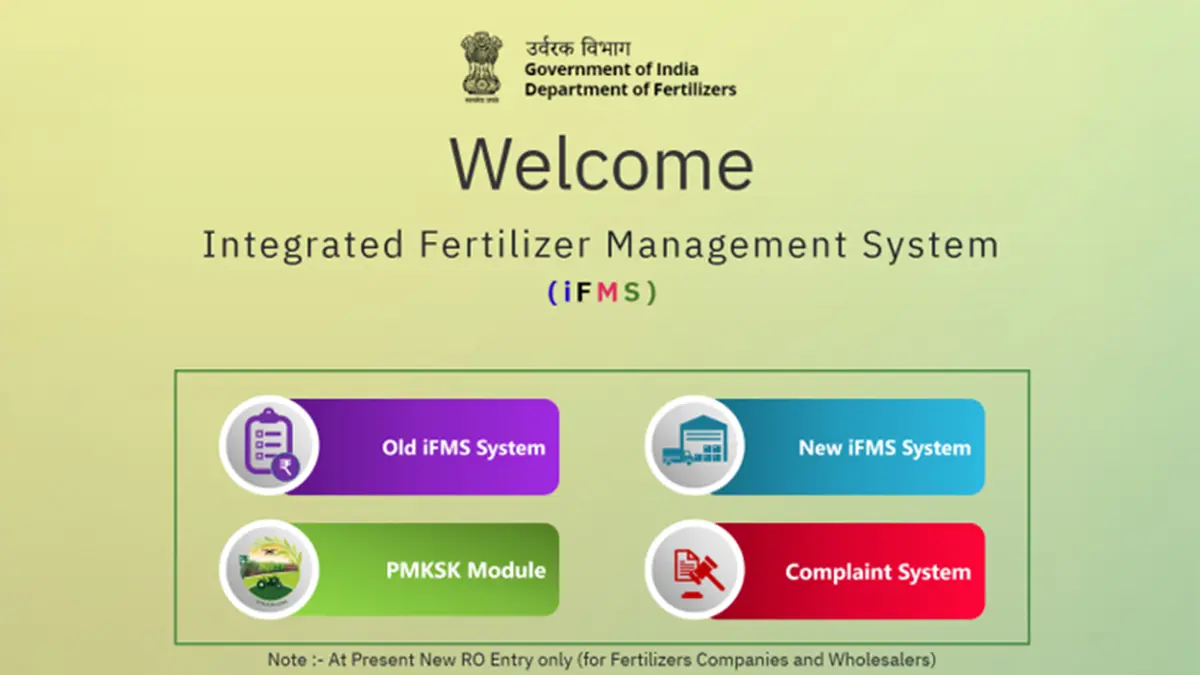
The Department of Fertilizers announced a new phase for its Integrated Fertilizer Management System. The platform now combines transactions with stronger dashboards, booking and vehicle tracking. It also links selected farmer, land and crop records. The changes aim to improve availability, subsidy processing and supply-chain oversight.
The scale of the platform
The Integrated Fertilizer Management System is commonly shortened to iFMS. The National Informatics Centre develops and technically supports it. The Department of Fertilizers uses it as a national digital backbone. It connects producers, importers, distributors, retailers and subsidy administrators.
Official figures cover more than fourteen crore Aadhaar-linked buyers. The network includes over 2.5 lakh retailers. Annual recorded sales are around seven crore metric tonnes. The system also supports nearly ₹2 lakh crore in yearly subsidy administration.
These figures show why data quality matters. A small error rate can affect many transactions. Delayed records may also give officials a false picture of local stock. Systems therefore need validation, correction and clear responsibility.
How fertilizer Direct Benefit Transfer works
Direct Benefit Transfer is commonly called DBT. Fertilizer DBT does not usually deposit the subsidy into a farmer’s bank account. Farmers buy approved fertilizer at a subsidised retail price. The government then releases subsidy to companies after verified retail sales.
Retailers record sales through a Point of Sale device. Aadhaar authentication links the buyer with the transaction. The system can display product, quantity, price and subsidy information. This creates a digital record from sale to claim.
The nationwide DBT rollout was completed by March 2018. It aimed to improve tracking and reduce diversion. It also changed subsidy payment from dispatch-based stages towards actual retail sales. Technology cannot alone prevent hoarding or false records.
Dashboards and integrated agricultural data
New dashboards combine production, imports, dispatch, movement, stock and retail information. Officials can view trends at national, state and district levels. Retailer-level patterns can also be examined. Early signals may reveal shortages or unusual purchases.
iFMS has been linked with Haryana’s Meri Fasal Mera Byora platform. The programme connects farmer, land and crop information. Work with AgriStack extends the same approach. Such integration can compare purchases with estimated agricultural requirements.
The Department has acknowledged incomplete or inconsistent land records. Tenancy and shared cultivation may not appear correctly. Crop plans can also change during a season. A digital mismatch should therefore trigger review, not automatic denial.
The Framework for Fertilizer Sale
The Framework for Fertilizer Sale adds a mobile booking layer. A farmer uses an AgriStack identity linked with land details. The application estimates and records the requested fertilizer. It then generates a quick-response code for the retailer’s device.
The system compares the booked requirement with the final purchase. Officials can study fertilizer use per hectare and crop. They can also compare landholding categories and products. Pilot implementation allows correction before wider use.
Booking may reduce queues and improve stock planning. It can also create new barriers for tenants or people without smartphones. Assisted access and simple exception channels are essential. No genuine farmer should lose supplies because one database is incomplete.
Tracking movement and subsidy bills
A Vehicle Location Tracking System links dispatch data with vehicle positions. It can show whether consignments follow the expected route. Delays or unusual movement can receive attention. Stock data then confirms whether fertilizer reached the intended destination.
On 1 January 2026, the Department advanced electronic subsidy-bill processing. Integration includes the Public Financial Management System and electronic bills. Digital stages can reduce physical movement of documents. They also create an auditable trail for approvals and payments.
Random verification and analytical checks are being added. Such checks should use transparent risk rules. An unusual pattern may have an innocent seasonal explanation. Human review remains necessary before punitive action.
Benefits and governance concerns
A unified platform can reveal shortages earlier than separate reports. It can also help move stock before local demand peaks. Better traceability may discourage diversion. Faster subsidy processing can improve company cash flows.
However, the platform contains sensitive personal and agricultural information. Access should follow role-based controls and recorded logs. Data should be limited to the stated purpose. Retention and sharing rules must be clear.
Connectivity failures can interrupt sales during peak sowing periods. Retailers need offline or assisted procedures and prompt support. Farmers need receipts and accessible complaint channels. Digital efficiency should not become a new form of exclusion.
Demand estimates must also support balanced fertilizer use. More sales do not automatically mean better farming. Soil tests and crop needs should guide application. Excess nitrogen can damage soil, water and farm economics.
An alert is not proof of wrongdoing
Analytics can identify an unusual transaction. Officials must examine land records, crop changes and local conditions before reaching a conclusion.
Conclusion
iFMS is changing from a transaction register into a decision-support system. Better visibility can improve stock movement and subsidy accountability. Its value still depends on accurate records and reliable access. Privacy, grievance handling and human review require equal attention. Digital fertilizer management succeeds only when genuine farmers receive timely inputs without unfair barriers.