

Why in news?
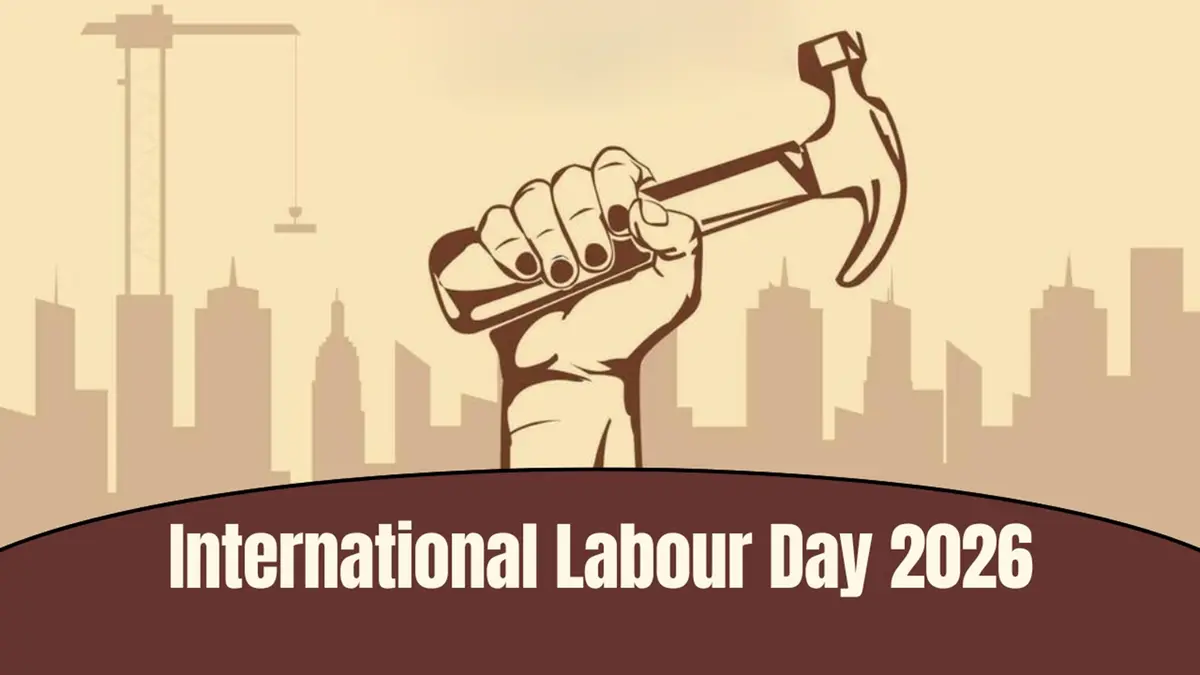
Each year 1 May is observed as International Labour Day or May Day to honour workers and recognise their contributions to society. In 2026 the day falls on a Friday, and events around the world are highlighting the theme of ensuring a healthy psychosocial working environment. Many unions and governments are using the occasion to stress fair wages, safe conditions and social protection.
Background
The origins of Labour Day lie in the 19th-century struggle for an eight-hour working day. On 21 April 1856 Australian stonemasons downed tools to demand an eight-hour day without loss of pay. Their success inspired workers elsewhere. In the United States labour unions in Chicago called a general strike for 1 May 1886 to press for the eight-hour workday. During the protests a bomb exploded at Haymarket Square, leading to the deaths of police officers and demonstrators. The Haymarket affair became a symbol of the labour movement, and 1 May was later adopted as a day to commemorate worker rights.
Key aspects of Labour Day 2026
- Healthy workplace theme: The 2026 theme emphasises mental health and the prevention of workplace stress. It calls on employers to provide supportive environments that address issues like long working hours, harassment and job insecurity.
- Global observance: Countries around the world hold parades, rallies and cultural events to highlight worker issues. In India trade unions often organise marches in major cities, while government agencies release messages on labour welfare schemes.
- Continued relevance: Despite technological advances many workers still face unsafe conditions, low wages and job discrimination. The day serves as a reminder that rights won through historic struggles must be defended and expanded.
Significance
- Honouring workers: Labour Day celebrates the dignity of labour and the contributions of workers to economic and social development.
- Highlighting inequalities: It draws attention to continuing issues such as income inequality, informal employment and exploitation of migrant workers.
- Strengthening solidarity: The day encourages unity among workers across sectors and countries, reinforcing the importance of collective bargaining and social dialogue.
Conclusion
International Labour Day reminds us that fair and safe working conditions are not automatic; they are the result of sustained struggle and advocacy. In 2026 the focus on psychosocial health adds a timely dimension, urging employers and governments to safeguard not only physical but also mental well-being in the workplace.
Source: NDTV