

Why in news?
A market assessment projected August battery-grade lithium carbonate near 140,000 Chinese yuan per tonne. That monthly estimate was 10.3 per cent below the previous month. High-capacity energy-storage cell prices had also fallen during July. The report linked softer prices with supply recovery and a possible 2027 surplus.
What lithium is
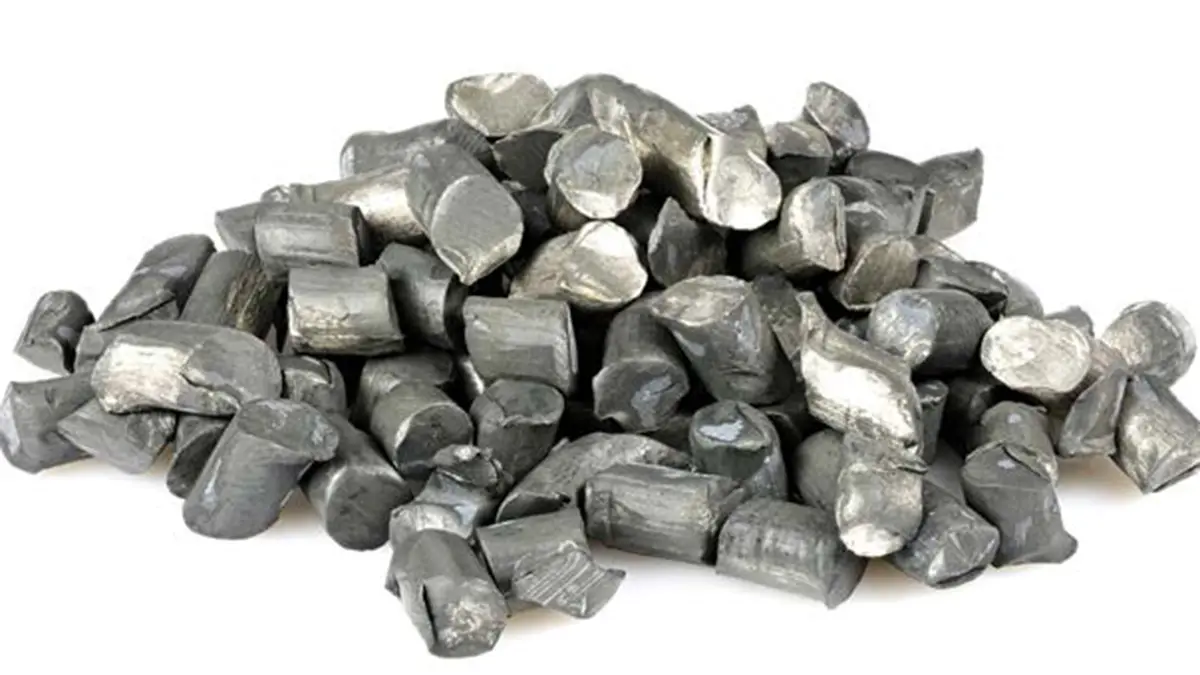
Lithium has atomic number three and belongs to the alkali-metal group. It is soft, silvery and lighter than every other metal. It reacts strongly with water and air. Commercial products therefore use lithium compounds rather than exposed metal in most settings.
Lithium does not occur as free metal in nature. It appears in hard-rock minerals such as spodumene and petalite. It is also dissolved in continental brines. Different deposits require different mining, concentration and chemical-processing methods.
Where production is located
Hard-rock operations are important in Australia, China, Brazil, Canada, Mali and Zimbabwe. Brine production is important in Argentina, Chile and China. Bolivia, Argentina and Chile form the often-named Lithium Triangle. High-altitude salt flats make that geography distinctive, but projects differ greatly in commercial readiness.
The United States Geological Survey recorded most 2025 output across a limited group of operations. Refining is even more geographically concentrated. China plays a leading role in battery-material processing. This separation between mining and refining creates several points of supply risk.
Why batteries use lithium
Lithium ions move between battery electrodes during charging and discharge. Their low mass supports high energy density. Rechargeable batteries power phones, laptops and electric vehicles. Grid storage has become another rapidly growing use.
The United States Geological Survey estimated batteries at 88 per cent of global lithium use in 2025. Smaller uses include ceramics, glass and lubricating greases. Lithium compounds also have selected medical uses. Battery demand therefore dominates market expectations.
Understanding the August price report
The 140,000-yuan figure was a projected monthly average from a market assessment. It was not a fixed government price. Spot quotations can change within days as traders respond to inventories. Grade, contract terms and delivery location also create different prices.
InfoLink Consulting reported an average spot price of 142,000 yuan on 12 August. It also described limited fresh supply and August inventory drawdowns. Market participants nevertheless expected looser supply during 2027. These competing signals explain short-term volatility around a softer monthly outlook.
Cell prices do not move exactly with lithium carbonate. Cathode materials, manufacturing, utilisation and competition also affect them. Lower mineral costs can reduce battery expense after a delay. Producers may also retain part of the saving or absorb other rising costs.
Supply, demand and investment cycles
High prices encourage new mines and processing plants. New supply then takes time to enter the market. If it arrives during slower demand growth, prices can fall sharply. Lower prices may later delay investment and create another tightening cycle.
The International Energy Agency reported strong battery demand growth during 2025. It also found weaker investment among lithium specialists. A near-term surplus and long-term demand growth can therefore exist together. Planning must avoid assuming that one year’s price settles future security.
Why this matters for India
India lists lithium among its critical and strategic minerals. Electric mobility and storage will increase its importance. The National Critical Mineral Mission supports domestic exploration, overseas assets and recycling. It aims to reduce exposure to concentrated external supply chains.
The eighth auction tranche included a West Bengal block with lithium, caesium and rubidium. An auctioned block is not the same as a producing mine. Exploration must establish grade, volume and commercial feasibility. Environmental approvals and processing capacity would follow separately.
Khanij Bidesh India Limited also holds exploration rights over five brine blocks in Argentina’s Catamarca province. Overseas access can diversify risk. It does not remove the need for transparent contracts or local safeguards. India also needs refining, cell manufacturing and recovery from used batteries.
Environmental and social questions
Hard-rock mining can disturb land and generate waste. Brine projects can alter water balances in dry salt-flat regions. Impacts depend on geology, technology and local hydrology. Communities need reliable baseline studies before extraction expands.
Recycling can recover lithium and reduce new mining pressure over time. Collection systems need safe handling and clear producer responsibility. Recycling will not immediately meet all demand because the battery stock is still growing. It remains a necessary part of long-term mineral security.
A price estimate is not a supply forecast by itself
August’s projected average reflects one market assessment during a volatile month. Security planning must examine mines, refining, inventories, technology and demand together. One lower price does not end concentration risk.
Conclusion
The August assessment shows how quickly the lithium market can change. Lower input prices may help battery and storage costs. They can also weaken investment needed for future supply. India should use the price relief to deepen a complete value chain. Exploration, processing, responsible sourcing and recycling must advance together.