

Why in news?
On 10 February 2026 the Union Health Minister launched a nationwide Mass Drug Administration (MDA) campaign across 12 endemic states to eliminate lymphatic filariasis by 2027. The campaign aims to reach millions of at‑risk people with preventive medicines and focuses on community engagement and vector control. The move follows the World Health Organization’s goal of eliminating filariasis as a public health problem.
Background
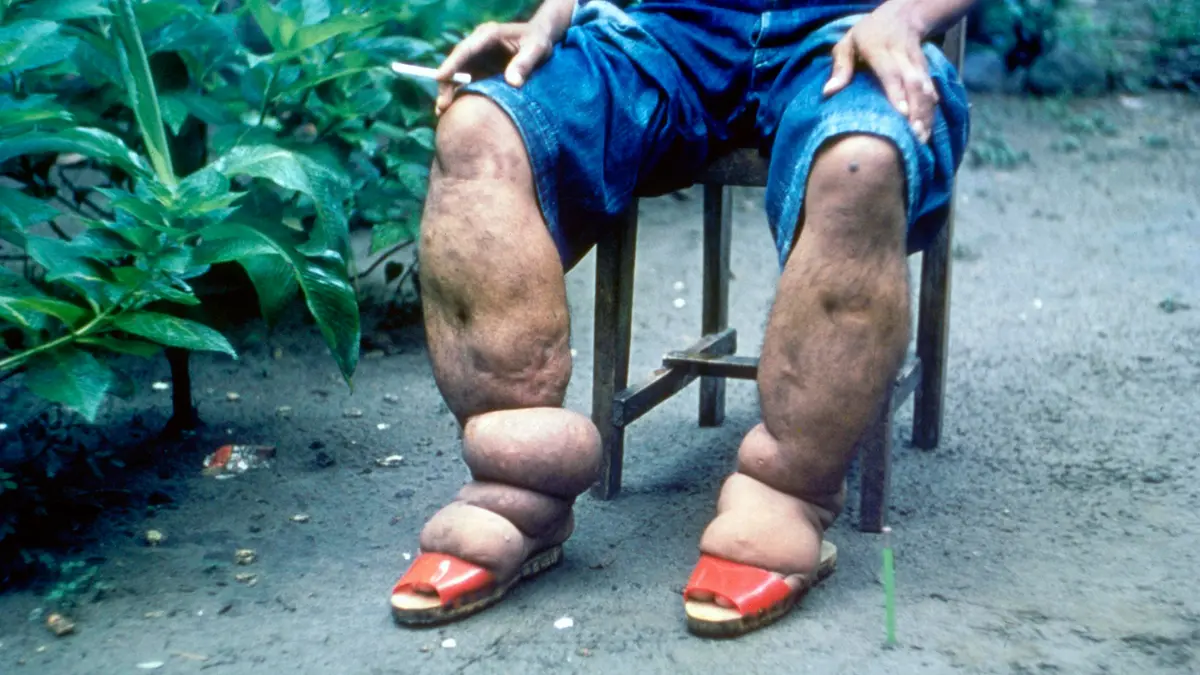
Lymphatic filariasis is a parasitic disease caused by thread‑like worms. The species Wuchereria bancrofti accounts for about 90 per cent of infections, while Brugia malayi and Brugia timori cause the rest. The worms are transmitted by mosquitoes, particularly Culex, Anopheles and Aedes species. Adult worms live in the lymphatic system and can cause swelling of limbs (lymphoedema), enlargement of the scrotum (hydrocele) and other debilitating conditions. Many infections are asymptomatic, but they damage the lymphatic system over time.
India’s elimination strategy
- Mass Drug Administration: Each year, people in endemic districts receive a combination of drugs (ivermectin, diethylcarbamazine and albendazole) that kill microfilariae and prevent transmission. The unified annual MDA round replaces previous multiple rounds to improve coverage.
- Vector control: Efforts include eliminating mosquito breeding sites, using insecticide‑treated nets and encouraging household hygiene to reduce mosquito populations.
- Morbidity management: Patients with lymphoedema or hydrocele receive care and surgeries to manage disability. Awareness campaigns teach patients how to prevent secondary infections.
- Target year 2027: India aims to eliminate lymphatic filariasis by 2027, aligning with global goals. The campaign covers 348 endemic districts, of which 41 per cent have stopped MDA after Transmission Assessment Surveys showed interruption of transmission.
What causes lymphatic filariasis?
- Parasitic worms: Three species of nematodes (Wuchereria bancrofti, Brugia malayi and Brugia timori) infect humans. Adult worms block lymphatic vessels, leading to fluid accumulation.
- Mosquito transmission: When infected mosquitoes bite a person, they deposit larvae that develop into adult worms. Female Culex mosquitoes are the primary vectors in India.
- Chronic disease: Many individuals may carry the parasites for years without symptoms, yet they contribute to ongoing transmission. Chronic infections cause swelling, pain and disability.
Significance
- Public health impact: Eliminating lymphatic filariasis will free millions of Indians from a debilitating disease that causes stigma and economic hardship.
- Community participation: Success depends on high drug uptake and awareness. Community volunteers, local leaders and health workers play a vital role.
- Global leadership: By committing to elimination by 2027, India demonstrates leadership in the global fight against neglected tropical diseases.
Source: PIB