

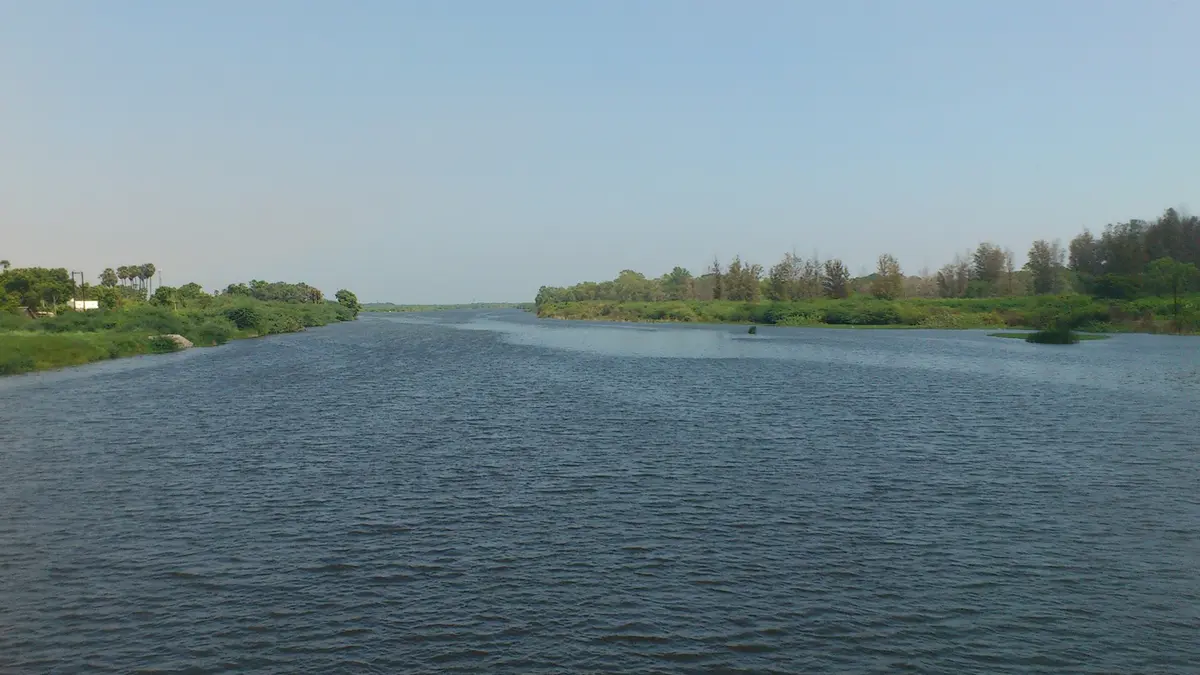
Why in news?
The Madras High Court recognised the Thamirabarani River as a juristic person for the limited purpose of protection from pollution.
The ruling and its immediate directions
The decision arose in Sivanupandian v. District Collector. The case began with a dispute over an eviction notice concerning a riverside mandapam.
The Madurai Bench then examined large-scale dumping linked with rituals. Justices G.R. Swaminathan and B. Pugalendhi heard the matter.
The court treated the river as a legal person because many Hindus worship it as a deity. It limited this recognition to protecting the river from pollution.
The order prohibited dumping clothes, plastic, glass, flowers and other materials. It permitted the immersion of human ashes.
The district administration must prevent violations and spread public awareness. Police assistance can support enforcement where required.
What juristic personhood means
Law can recognise a non-human entity as a rights-bearing person. Human representatives must still act to enforce those rights.
Constitutional and legal setting
Article 21 protects life and personal liberty. Indian courts have interpreted life to include access to a healthy environment and clean water.
Article 25 protects freedom of conscience and religious practice. That freedom remains subject to public order, morality and health.
Section 24 of the Water Act, 1974 restricts polluting matter entering streams or wells. Local public-health law also supports pollution control.
The court held that religious freedom cannot include a right to pollute. It linked citizens’ rights with the river’s own recognised interest.
India has seen other river-personhood rulings. The Supreme Court stayed a 2017 Uttarakhand order concerning the Ganga and Yamuna.
That history shows the importance of clear guardianship, duties and territorial reach. Symbolic status alone cannot resolve every legal question.
The river and its geography
The Thamirabarani rises in the Agasthyamalai hills of the Western Ghats. Its upper catchment receives substantial rain from mountain slopes.
The river flows eastward through Tirunelveli and Thoothukudi districts. It reaches the Gulf of Mannar near Punnakayal.
Dams, anicuts and canals support irrigation and drinking-water supply. Towns, farms, temples and industries therefore share the same river system.
The lower stretch also connects inland water use with a sensitive coastal environment. Pollution can travel downstream and affect estuarine life.
Why personhood is only a beginning
A legal declaration can change public language and strengthen claims for protection. It cannot intercept sewage or remove waste by itself.
Authorities need mapped pollution sources, functioning treatment plants and routine water testing. Local bodies must prevent solid waste reaching riverbanks.
Temple committees and community leaders can redesign rituals around reusable cloth and collection points. This approach respects faith while protecting water.
The state should identify who formally represents the river. Reporting duties and measurable restoration targets would make responsibility clearer.
Rights require accountable guardians
Personhood can strengthen environmental protection. Its success depends on named institutions, steady monitoring and enforceable pollution control.
Conclusion
The judgment combines spiritual recognition with constitutional environmental duties. It clearly rejects pollution carried out in religion’s name.
Its lasting value will be judged in the river itself. Cleaner water, controlled waste and restored habitats must follow the legal language.