

Why in news?
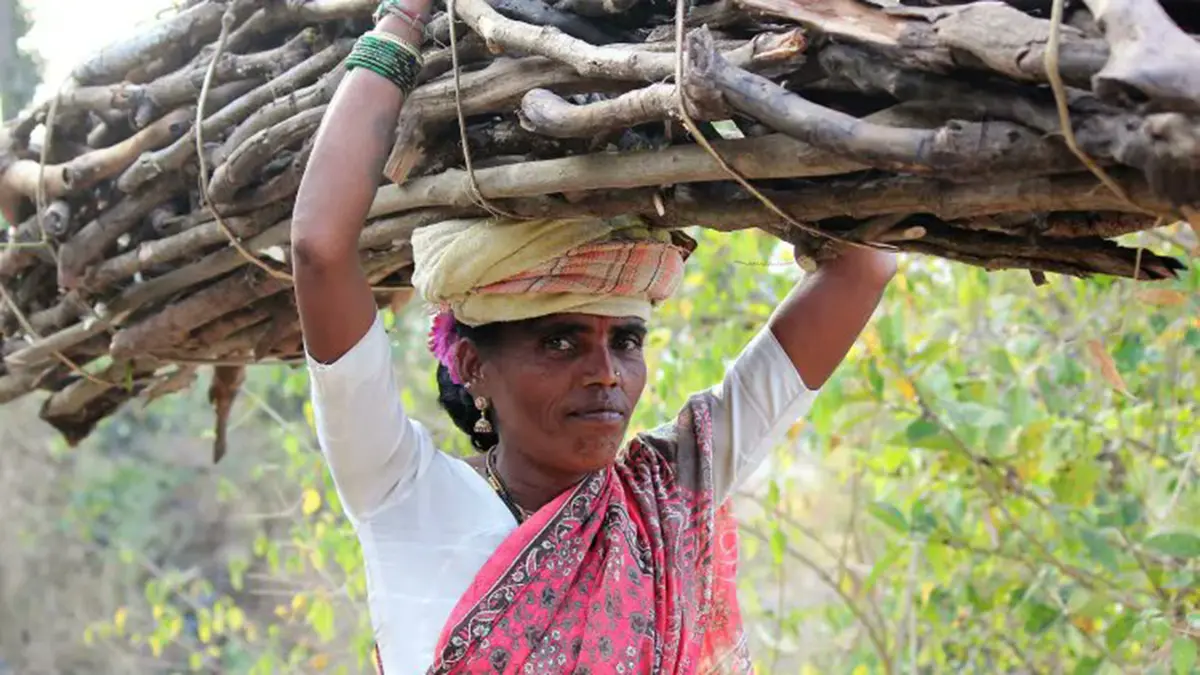
A recent study by the Watershed Organisation Trust – Centre for Resilience Studies highlighted the ecological knowledge of the Mahadev Koli tribe in Maharashtra’s Western Ghats. Researchers found that this community uses dozens of tree species for medicinal purposes and has deep understanding of local ecology.
Background
The Mahadev Koli are an indigenous tribe living in the North Western Ghats, one of the world’s biodiversity hotspots. They traditionally practice mixed agriculture, collect forest produce and rely on local biodiversity for medicine. The new study documents 51 tree species used for healing, along with knowledge on climate prediction, land use and resource management. Such oral traditions have been passed down for generations but remain underrepresented in scientific literature.
Key insights from the study
- Medicinal uses: Bark, leaves and fruits of trees like Terminalia arjuna and Azadirachta indica are used to treat ailments ranging from fever to skin diseases. Knowledge includes preparation methods and dosages.
- Ecological awareness: Tribal members can detect subtle changes in rainfall patterns, flowering cycles and animal behaviour, helping them plan farming and resource collection.
- Scientific recognition: Researchers argue that this knowledge should be recognised as scientific data and used in climate resilience strategies. Collaboration between scientists and indigenous people can improve conservation.
Why it matters
- Climate resilience: Traditional ecological knowledge can help communities adapt to climate change by identifying resilient species and sustainable practices.
- Cultural preservation: Documenting and respecting indigenous knowledge preserves cultural heritage and supports community empowerment.
- Biodiversity conservation: Insights from indigenous peoples often lead to more effective conservation policies because they integrate local realities.
Conclusion
The Mahadev Koli tribe’s deep relationship with their environment demonstrates that local knowledge is a valuable scientific resource. Including indigenous voices in research and policy can enhance conservation and strengthen resilience against environmental change.