

Why in news?
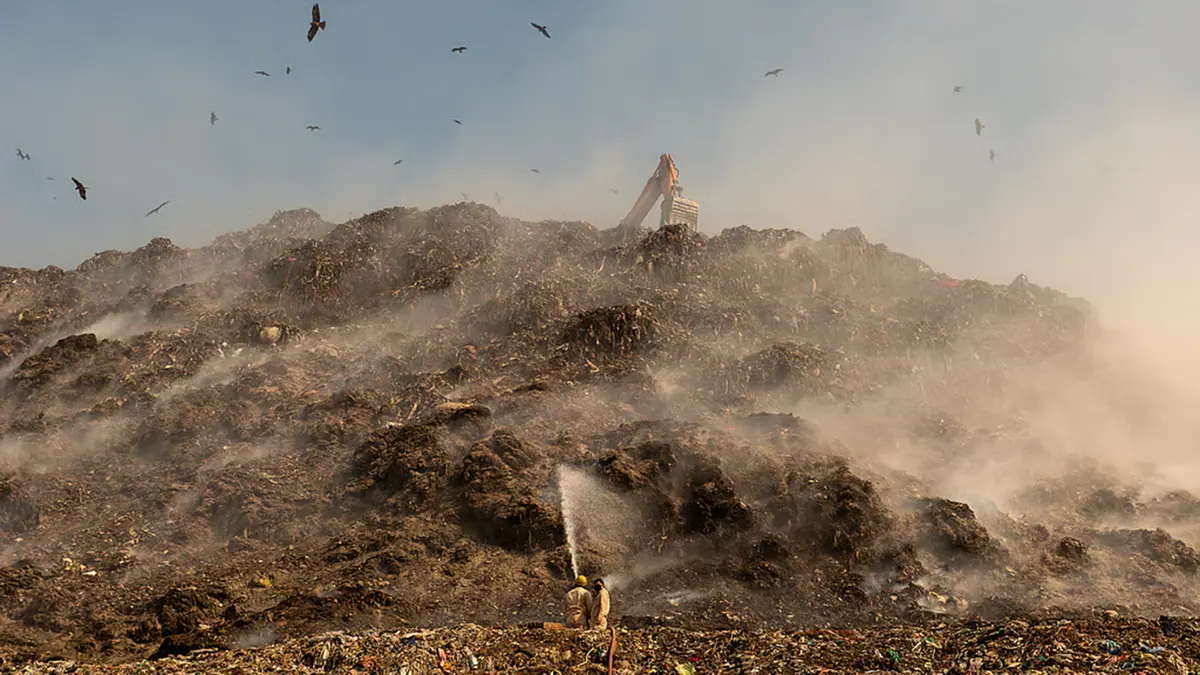
The United Nations Environment Programme’s International Methane Emissions Observatory (IMEO) announced an expansion of its Methane Alert and Response System (MARS) to include coal mines and waste facilities. The upgrade follows satellite observations showing that landfills in India and Chile are among the world’s largest methane emitters. New tools aim to help governments and companies rapidly detect and fix leaks.
Background
Methane is a potent greenhouse gas that warms the atmosphere more than 80 times faster than carbon dioxide over a 20‑year period. Reducing methane emissions is one of the quickest ways to slow global warming. The IMEO launched MARS at the 2022 climate summit (COP27) and began operations in January 2023. Using data from satellites such as Sentinel‑2 and GHGSat, the system identifies large “super‑emitter” events from oil and gas infrastructure and informs operators and authorities.
New features in the expansion
- Coverage of coal and waste: In addition to oil and gas, MARS will now track methane plumes from coal mines and landfills, sectors responsible for a significant share of global emissions.
- MARS Response Blueprint: A new toolkit outlines steps for countries to investigate alerts, prioritise fixes and verify reductions. It includes guidance on funding repairs and reporting progress.
- Coal Methane Database: IMEO launched an open database with emissions estimates for coal mines worldwide to improve transparency.
- Potential benefits: Fixing leaks can quickly return methane to market as natural gas. UNEP estimates that capturing methane from fossil‑fuel operations and waste sites could deliver billions of cubic metres of usable gas and prevent hundreds of millions of tonnes of carbon‑dioxide-equivalent emissions.
Why this matters
India is one of the top methane emitters from agriculture, waste and energy. Landfill fires and leaks threaten public health and contribute to climate change. Integrating waste and coal sectors into MARS means Indian cities and coal operators can receive timely alerts and assistance to fix problems. Broader adoption of the response blueprint could accelerate global methane reductions in the critical decade ahead.