

Environment

Melanoseris pendryi: New Sikkim Plant, Asteraceae & Status

Melanoseris pendryi: New Sikkim Plant, Asteraceae & Status

Why in news?

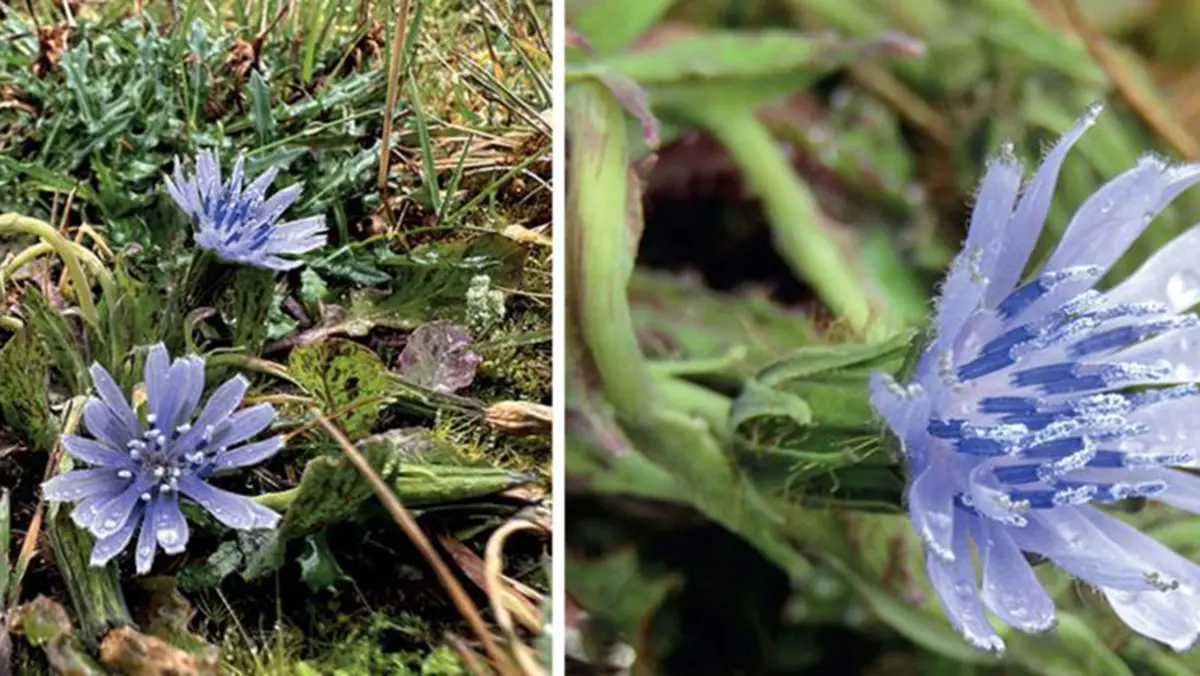
A group of botanists from the University of Calcutta, the University of Kashmir and the Sikkim government discovered a new flowering plant in the alpine meadows of eastern Sikkim. The herb has lavender petals covered with fine white hairs and has been named Melanoseris pendryi in honour of botanist Dr Colin Pendry. Only about 32 mature plants were found within a tiny area, leading researchers to recommend that it be classified as “Critically Endangered”.

Background

Melanoseris pendryi belongs to the daisy family (Asteraceae). It was found during a floristic survey in the remote Lungthun and Thombu areas of east Sikkim at altitudes above 4,000 m. The plant grows close to the ground and survives harsh alpine conditions using a fleshy, branching root system. It differs from related species such as M. lessertiana and M. qinghaica in several ways.

Distinctive features

  • The lavender petals (ligules) are covered with long white hairs on their underside, a characteristic not seen in other species of the genus.
  • Flowers have a shorter reproductive tube and larger, stout seeds compared with their relatives.
  • The herb grows in cushion‑like mats among alpine shrubs and has fleshy roots to store nutrients.
  • The species was named after Dr Colin Pendry of the Royal Botanic Garden Edinburgh for his contributions to Himalayan botany.

Conservation issues

Researchers located only 32 mature individuals in a 2.5‑sq‑km area. High‑altitude meadows in Sikkim are under pressure from tourism and grazing, and the new species’ tiny population makes it extremely vulnerable. Therefore, the scientists propose listing it as Critically Endangered and urge habitat protection.

Sources: Research Matters

Prelims MCQ Practice

Evaluate Your Retention

Assess your readiness with 4 high-yield multiple-choice questions on this article.

Mark your answers, submit, and see the key with explanations. Answers count only toward anonymous totals — nothing is linked to you, and it resets when you close this tab.

Practice questions 0 of 4 answered

Your result

0 / 4

Only anonymous totals are kept — nothing is linked to you. This resets when the tab closes.

1.

Melanoseris pendryi, a species recently discovered in the alpine meadows of Sikkim, belongs to which one of the following families?

2.

Which one of the following countries does NOT share a boundary with Sikkim?

3.

In the IUCN Red List, which one of the following categories indicates the highest risk of extinction for a species that still survives in the wild?

4.

With reference to the IUCN Red List, consider the following statements:

1.It is maintained by the International Union for Conservation of Nature.
2.The category Extinct in the Wild applies to species surviving only in cultivation or captivity.
3.Species assessed as Least Concern are left out of the Red List.

Select the answer using the code given below:

Answer all 4 questions, then submit.
Sign in Today’s news
Current affairs Daily news Daily quiz Shorts Economic Survey 2025-26 Subjects
Polity Economy Geography Environment History Science & Tech Intl. Relations Internal Security Art & Culture Social Issues
All subjects Exam info UPSC Syllabus Prelims syllabus Mains syllabus Exam pattern Eligibility & attempts OBC & EWS checker Resources Free downloads Booklist 2026 Previous year papers Video notes YouTube channel