

Why in news?
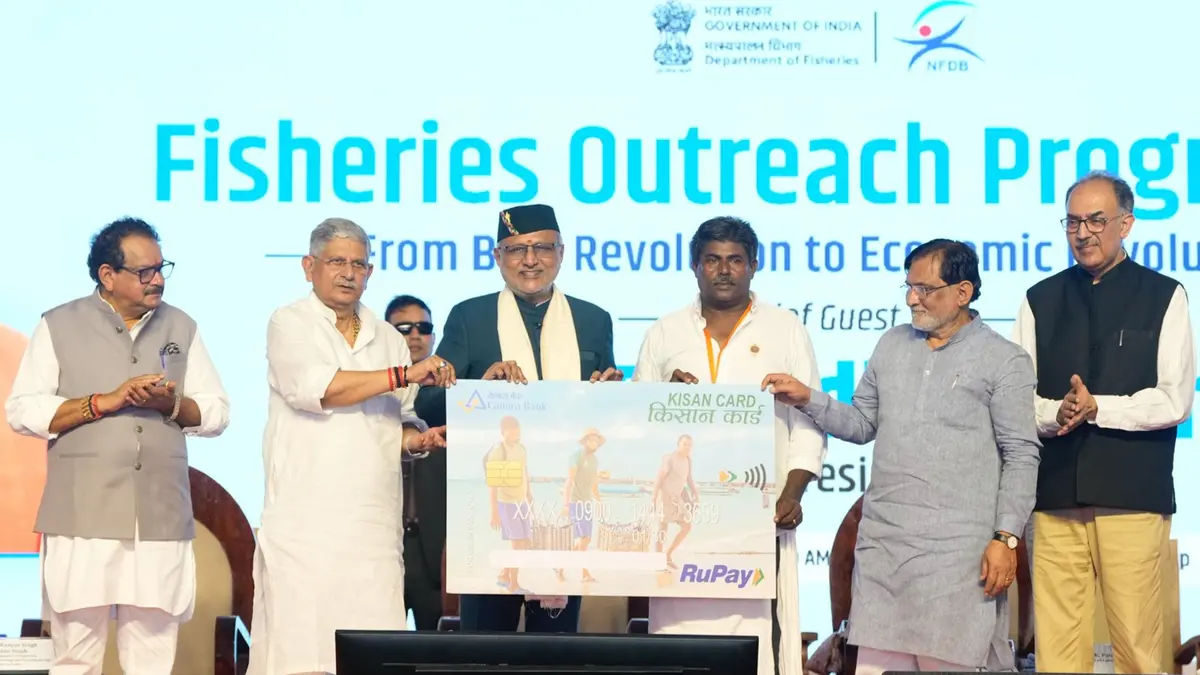
Vice President Radhakrishnan released Mission Rangeen Machhli 2031 on 31 August 2026. The launch took place during a fisheries outreach programme at Agatti in Lakshadweep. The document is a strategic action plan for developing ornamental fisheries. It seeks more scientific production, stronger safeguards and better opportunities across the aquarium-fish business.
Understanding ornamental fisheries
Ornamental fishes are kept mainly for display rather than food. The sector includes breeding, rearing, aquarium maintenance, equipment, transport and trade. Both freshwater and marine species can be involved. Each group needs suitable water conditions and species-specific care.
The business therefore extends beyond catching or breeding attractive fish. Healthy animals must reach buyers without avoidable stress or disease. Breeders also need dependable supplies, technical knowledge and suitable facilities. Weakness at any stage can affect survival and commercial returns.
Freshwater breeding units and marine hatcheries face different technical requirements. Salinity, feeding and early development vary between species. A successful method for one fish cannot simply be transferred to another. Training should therefore focus on the actual animals and production systems involved.
What the plan aims to improve
The Department of Fisheries describes the plan as a common framework for the ornamental-fish supply chain. Its priorities include scientific management, biosecurity and quality assurance. Regulatory compliance is another important component. The plan should be understood as a development framework, not a standalone statute.
Biosecurity means preventing the introduction and spread of disease-causing organisms. It begins with the source of broodstock, meaning adult fish used for breeding. It continues through hatcheries, rearing facilities and transport. Poor health controls at one location can affect many connected businesses.
The framework covers operating procedures for breeding, quarantine, health management and traceability. It also addresses handling and movement of live fish. These stages need coordinated standards because the product is a living animal. Quality depends on its condition, not merely its appearance.
Traceability connects batches with their sources and movement records. It can help identify where a health problem began. Records can also distinguish captive-bred fish from wild-collected animals. Such information supports both commercial confidence and responsible resource management.
Why Agatti and Lakshadweep are relevant
Lakshadweep is an Indian island territory in the Arabian Sea, off Kerala’s coast. Its islands are associated with coral reefs and lagoons. Kochi is an important mainland connection. Agatti, where the plan was released, is one of the territory’s inhabited islands.
A lagoon is a shallow water area sheltered by a reef or other barrier. This setting supports distinctive marine habitats and coastal livelihoods. It also makes ecological safeguards especially important. Damage to reefs can affect fisheries, tourism and the protection of island shorelines.
The launch programme highlighted an ornamental-fish hatchery at Agatti. It also discussed other fisheries activities, including tuna, seaweed and recreational fishing. These are related parts of island development, but they are not identical programmes. Mission Rangeen Machhli specifically concerns ornamental fisheries.
Growth without damaging wild populations
Captive breeding can provide a more predictable supply of suitable aquarium species. It may reduce dependence on repeated collection from the wild. However, benefits depend on which species can be bred successfully. Production expansion still needs water, energy, expertise and responsible waste management.
Import controls also matter because live fish can carry pathogens. India’s sanitary protocol provides safeguards for ornamental-fish imports. It addresses health certification and quarantine requirements. It also warns against releasing imported ornamental fish into natural waters.
An unwanted aquarium fish should never become an ecological problem. Release can introduce non-native species or diseases into local habitats. Prevention is usually easier than removing an established invasive population. Retailers and hobbyists therefore have responsibilities alongside producers and regulators.
For small enterprises, implementation should make compliance understandable and affordable. Shared testing, practical training and organised marketing can help. Women and young entrepreneurs may benefit where entry costs remain manageable. Support should measure animal survival, reliable earnings and environmental outcomes together.
Conclusion
Mission Rangeen Machhli 2031 offers a framework for a more organised ornamental-fisheries sector. Its value will depend on practical implementation across the supply chain. Better breeding, disease prevention and responsible trade can support durable livelihoods. Island development must also protect the reefs and waters supporting those livelihoods. Commercial success and ecological care should reinforce each other.