

Why in news?
The Geographical Indications (GI) Registry recently approved GI tags for four traditional crops grown by tribal communities of Madhya Pradesh. These include two varieties of millet, a pigeon‑pea and a rice landrace. The recognition will help protect these crops from imitation and boost incomes for tribal farmers.
Background
A Geographical Indication is a label used on products that originate from a specific place and possess qualities linked to that region. India’s GI regime is governed by the Geographical Indications of Goods (Registration and Protection) Act 1999. Once a product is registered, only authorised users from that region can use the name.
Key details of the crops
- Sitahi Kutki and Nagdaman Kutki – These two varieties of little millet are cultivated by Baiga and Gond tribes in central India. They are drought‑tolerant and rich in dietary fibre and complex carbohydrates. Farmers have preserved the seeds through community seed banks for generations.
- Baigani Arhar – A traditional pigeon‑pea variety with purple pods and seeds. It has a higher protein content and a sweet flavour. The plant grows tall and can resist common diseases.
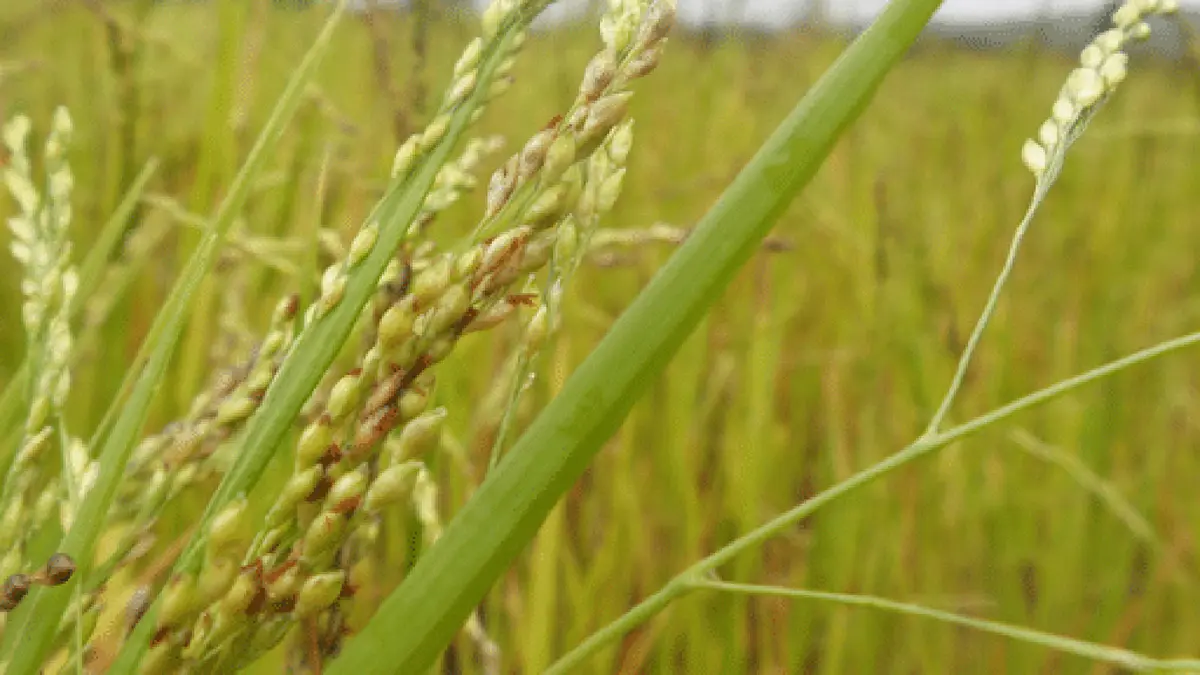
- Mahakoshal Chhatriya Chawal – Also known as Chhatriya Dhan, this indigenous rice from Jabalpur and Katni districts has elongated grains with a distinct aroma. It often appears blackish or reddish and is rich in minerals. The rice is used in local rituals and festivals.
- The Jawaharlal Nehru Krishi Vishwavidyalaya in Jabalpur prepared the GI applications through its GI Cell in consultation with tribal farmers.
- GI protection will prevent misuse of these names and may command higher prices in niche markets. It also recognises the role of tribal communities in conserving crop diversity.
Conclusion
The GI tags for Sitahi Kutki, Nagdaman Kutki, Baigani Arhar and Mahakoshal Chhatriya Chawal will help safeguard these traditional crops. The recognition acknowledges the cultural heritage of the Baiga and Gond tribes and encourages the cultivation of nutritious, climate‑resilient foods.
Sources: TOI