

Why in news?
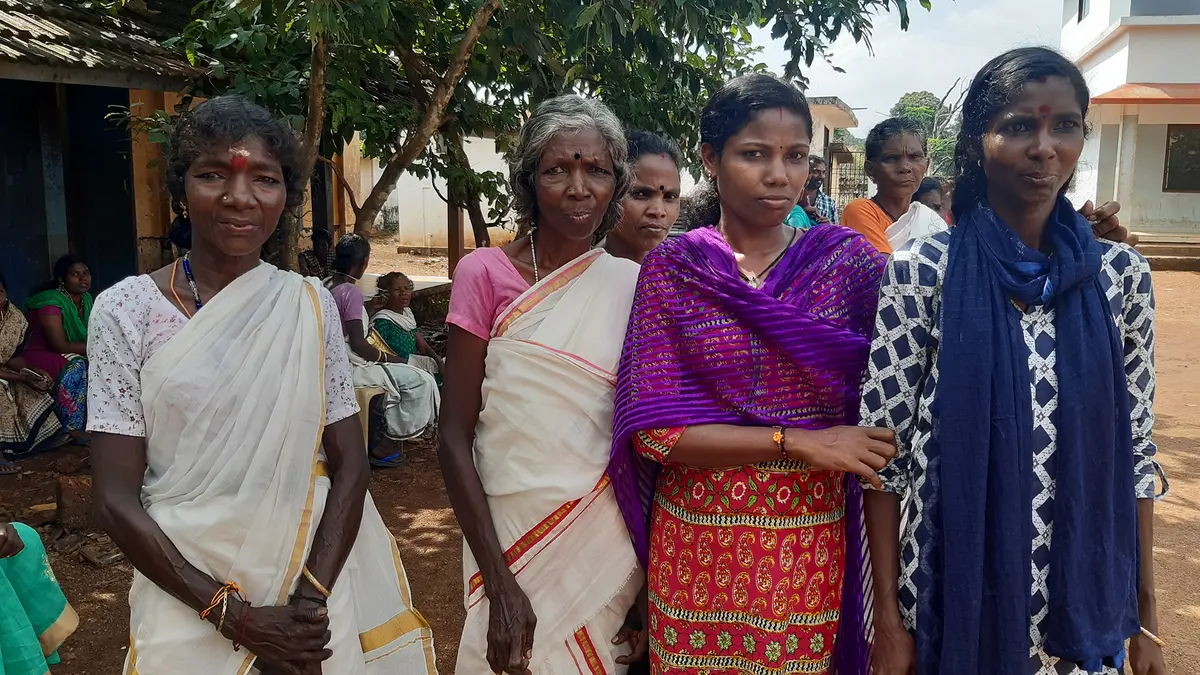
Kerala’s State Human Rights Commission has intervened over the prolonged displacement of Paniya families at Vaniyampuzha in Malappuram district. The Hindu reported on 12 September that twenty-six families had been living in plastic-covered shelters since the August 2019 floods. The settlement lies across the Chaliyar River near Munderi, in the Nilambur area. Following the reporting, the commission sought action on permanent housing and a time-bound account from the responsible officials. This is an intervention to secure rehabilitation, not evidence that new homes have already been delivered. The case brings together community rights, difficult river access and the gap between immediate disaster relief and a durable return to secure living conditions.
Understanding the community without reducing it to stereotypes
The Paniya, also recorded as Paniyan, are a Scheduled Tribe in Kerala. The state’s tribal research department describes a community with a long association with agricultural work. Its account includes social institutions and cultural practices, not simply an occupational label. Such background helps explain community life, but it should not be used to assume that every family has the same livelihood or circumstances.
The department’s profile records a population of 88,450 from the 2011 Census, not a current count for 2026. It describes participation by women and men in paddy planting and harvesting, alongside work in crops such as ginger. This agricultural background makes access to work an important consideration when assessing housing arrangements, rather than treating shelter as an isolated structure.
The profile also describes traditional leadership: a hereditary Koyma at the wider territorial level and Chemmi heads within settlements. These institutions offer context for understanding community organisation. They should not replace consultation with the affected households themselves. Housing decisions still need to account for different family needs, livelihoods and choices instead of assuming a single uniform preference.
Why the river is central to the story
The Chaliyar is a west-flowing river associated with the Nilambur landscape and the coastal region towards Kozhikode. At Vaniyampuzha, river access is directly relevant to daily life and rehabilitation. The Hindu’s report connected the families’ isolation with bridges lost in the 2019 disaster. It also described a replacement bridge awaiting inauguration at the time of reporting.
A safe dwelling and a usable route to it solve different problems. A house may provide shelter while leaving residents cut off from work, education or healthcare. Conversely, restoring access does not remove the need for secure housing. The case therefore requires attention to both the homes themselves and the infrastructure connecting the settlement with essential services.
What a human rights commission can do
The Protection of Human Rights Act, 1993 gives commissions powers to investigate alleged violations and negligence by public servants. An inquiry may begin on a complaint or on the commission’s own initiative. The latter is commonly called suo motu action. Section 29 applies specified inquiry and remedial provisions to State Human Rights Commissions.
These powers include seeking information, examining evidence and making recommendations for relief or other action. The commission is not the agency that constructs houses or operates local services. Its intervention can require the administration to explain delays and proposed remedies. Actual rehabilitation still needs decisions, resources and implementation by the competent authorities.
According to the report, officials were asked to provide the current position and a definite rehabilitation timeline. That is an important accountability step because a promise without dates is difficult to assess. The next meaningful evidence would be implementation: a suitable site or housing arrangement, completed works and confirmation that the affected families can use them.
What durable rehabilitation should consider
Research hosted by the Kerala State Disaster Management Authority offers a useful planning approach, though it concerns Wayanad rather than this settlement. A study by the National Institute of Technology Calicut developed housing options through community participation. It connected disaster resilience with social conditions, settlement planning and household needs. It is a planning reference, not proof that its designs have been adopted at Vaniyampuzha.
The broader lesson is that rehabilitation needs more than a count of completed structures. Site safety, access, ventilation, privacy and the way households use space all affect whether homes are suitable. Community participation can identify practical needs that standard drawings miss. It can also help distinguish an administratively finished project from housing that residents consider usable.
Emergency shelter is intended to address immediate exposure after a disaster. When it continues for years, the problem changes into a sustained gap in recovery. Monitoring should therefore follow outcomes, including secure occupancy and functioning services, rather than only approvals or expenditure. The affected families’ own account is essential to assessing whether recovery has actually occurred.
Conclusion
The Vaniyampuzha case is about the unfinished consequences of a disaster, not merely a new administrative notice. The commission’s intervention creates an opportunity to make responsibilities and timelines clearer. Its value will ultimately depend on safe, suitable housing and reliable access for the families concerned. Respectful rehabilitation should recognise both the community’s identity and the practical choices of its residents.