

Why in news?
Zoologists recently described a previously unknown species of soil‑dwelling termite from the Chapramari Wildlife Sanctuary in West Bengal. The discovery of Pseudocapritermes novus brings the number of known Pseudocapritermes termites in India to five and highlights the importance of soil‑feeding insects in maintaining healthy soils.
Background
The genus Pseudocapritermes belongs to a group of wood‑ and soil‑feeding termites found mainly in Asia. In 2026, researchers from the Zoological Survey of India, the University of Calcutta and other institutions carried out an integrative taxonomic study on specimens collected in the Chapramari sanctuary. They combined careful morphological examination with DNA analysis to confirm that the termites represented a new species. The scientists compared the soldier castes with known species and sequenced mitochondrial genes to identify differences at the genetic level.
Key features of the new species
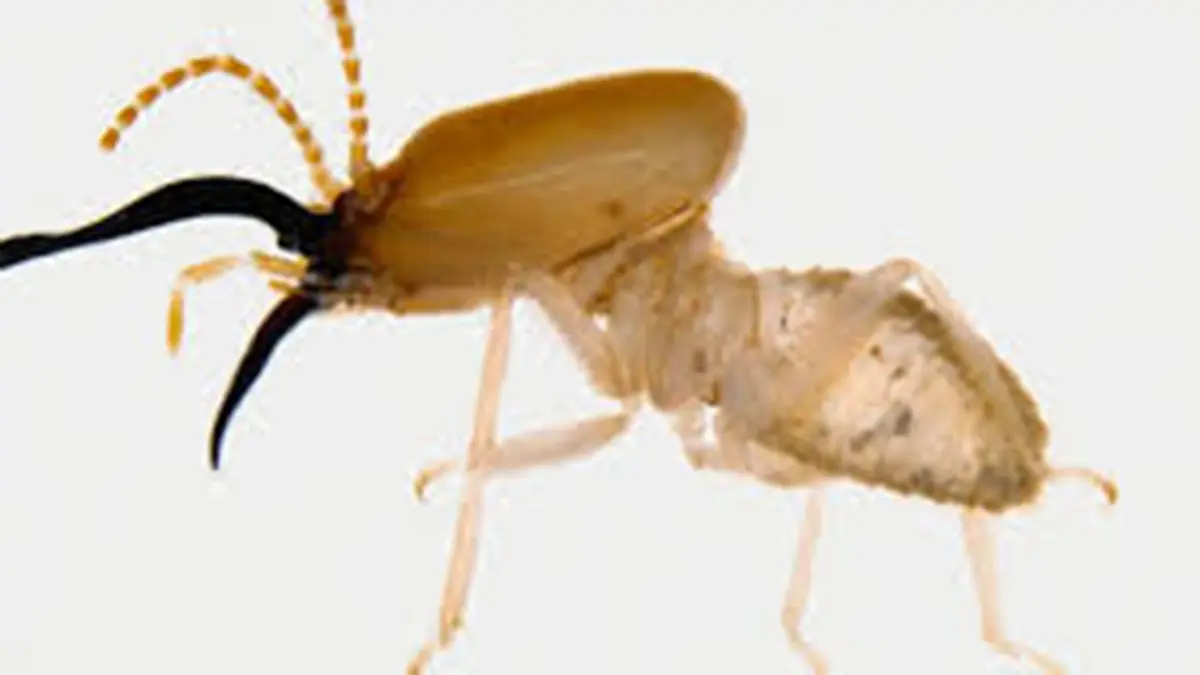
- Distinctive jaws: The soldiers of P. novus have a left mandible that bends inward at the tip, unlike other species where the jaws are straight. This bent jaw helps them break down tough soil and wood particles.
- Swollen head region: The head capsule has a bulged area under the beak‑like projection, and the postmentum (a mouthpart) is longer than in related species.
- Leg adaptations: Prominent spurs on the front legs help the insects dig through soil. These spurs are absent or smaller in other members of the genus.
- Integrative taxonomy: Genetic analysis of mitochondrial DNA confirmed that the new population differs from known species by several percent, supporting its status as a distinct species.
- Ecological role: Soil‑feeding termites such as P. novus break down dead plant material and mix organic matter into the soil. Scientists regard them as indicators of soil health because their presence shows that the ecosystem can support a diverse decomposer community.
Conclusion
The discovery of Pseudocapritermes novus adds to our understanding of India’s rich insect diversity. By documenting this species with both morphological and genetic evidence, scientists have strengthened the case for protecting forest soils that harbour hidden biodiversity. Studying soil‑feeding termites also teaches us how microscopic creatures maintain the fertility of our forests and farms.