

Why in news?
Nagaland minister Temjen Imna Along has drawn fresh attention to Raja Mircha through a social-media video. His 1 September post celebrated the chilli’s intense heat and regional identity. He also shared footage linked to the King Chilli Festival at Seiyhama village. The attention offers an opportunity to understand the crop’s heritage, geographical recognition and market potential.
What makes Raja Mircha distinctive?
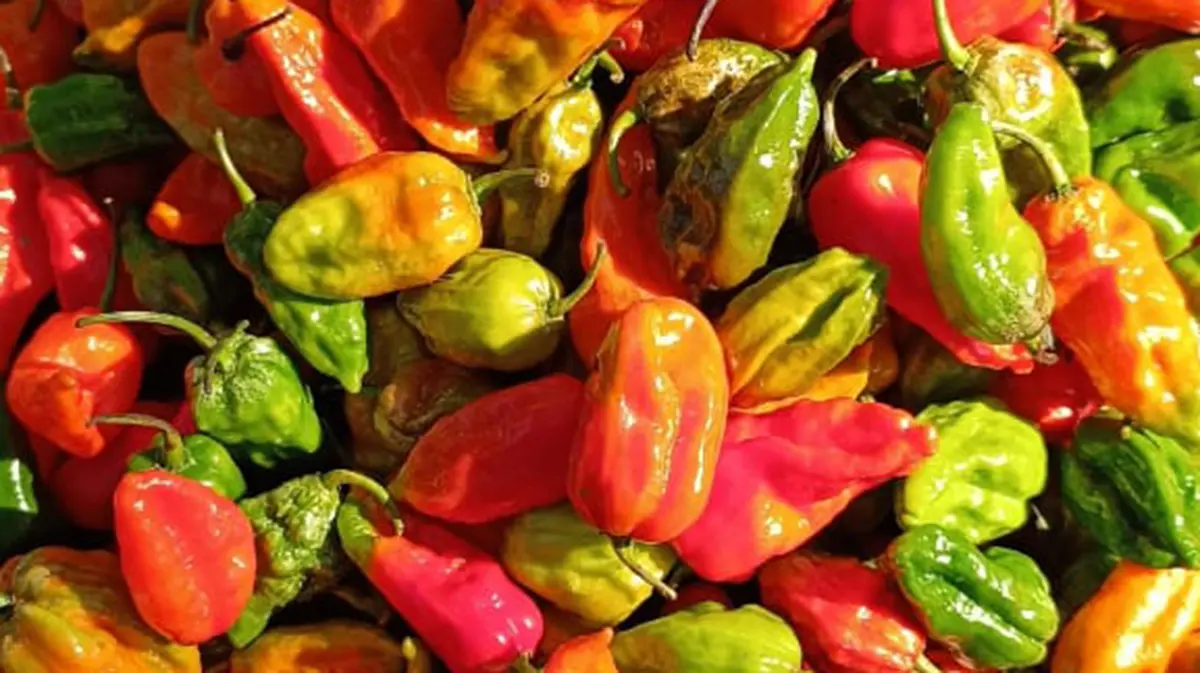
Raja Mircha is commonly called king chilli or Naga Mircha. It belongs to the chilli genus Capsicum, within the family Solanaceae. Its reputation combines strong pungency with a distinctive aroma. It is closely associated with Nagaland’s food culture and farming communities.
The chilli’s value cannot be reduced to a heat-ranking contest. Flavour, origin and culinary use also shape demand. A changing global ranking tells little about a particular farmer’s produce. Claims such as “the world’s hottest” therefore need a dated record and specified testing conditions.
Commercial recognition can support traditional crops without turning them into interchangeable commodities. Buyers may seek a particular origin and flavour profile. Producers must then maintain authenticity across cultivation, collection and marketing. This makes local knowledge an economic asset as well as a cultural one.
The geographical link
Nagaland lies in northeastern India, along the border with Myanmar. Assam adjoins it to the west, while Manipur lies to the south. Arunachal Pradesh adjoins the state to the north and northeast. Much of Nagaland has hilly terrain rather than extensive plains.
This setting matters for how produce reaches distant markets. Farmers may depend on hill roads and collection points before accessing major transport centres. Fresh chillies are perishable, making delays commercially important. Market planning must therefore connect cultivation with packing, transport and buyer requirements.
Seiyhama’s festival gives growers a platform to display their crop and regional identity. Such events can attract buyers and visitors. Their lasting value depends on relationships established after the celebration. Repeat purchases matter more to farm incomes than a brief publicity surge.
What the geographical indication protects
Naga Mircha received geographical indication recognition in 2008. A geographical indication, or GI, identifies goods whose qualities or reputation are linked to a place. The official registration identifies Nagaland as the geographical area. It recognises an origin-linked product, not a new scientific species.
GI protection helps eligible producers challenge misleading use of the protected indication. The World Intellectual Property Organization explains that such rights concern the origin-linked sign. They do not generally prevent others from using similar production techniques. The distinction matters when explaining ownership and market competition.
A GI label is also different from organic certification. Origin recognition does not automatically establish every farm’s production practices. Separate standards and verification govern organic claims. Clear labelling should distinguish where a product comes from and how it was grown.
From recognition to dependable markets
A documented export milestone came on 28 July 2021. Fresh king chilli from Nagaland was sent to London through Guwahati. The consignment came from Tening in Peren district. The Commerce Ministry identified perishability as an important challenge in handling the crop.
The Agricultural and Processed Food Products Export Development Authority helped coordinate that shipment. It worked with the Nagaland State Agricultural Marketing Board. Laboratory testing and organised packing supported the process. This example shows how export access depends on institutions beyond the individual farm.
Future market development should strengthen quality checks and traceable sourcing. Traceability means keeping records that connect a consignment to its producers. It helps buyers verify origin and investigate quality problems. Farmer organisations can make these systems more affordable for small growers.
Processing may create additional options, including carefully packaged dried chillies and other food products. However, processing alone does not guarantee higher earnings. Producers need realistic demand estimates and clear cost information. Packaging, food safety and honest branding remain essential in both domestic and export markets.
Public promotion should therefore be followed by practical producer support. Collection facilities and reliable transport can reduce avoidable losses. Fair purchasing arrangements can help farmers retain more value. A strong regional identity works best when its benefits reach the people maintaining it.
Conclusion
Raja Mircha represents more than exceptional pungency. It connects Nagaland’s food traditions with farming livelihoods and origin-based recognition. Public attention can open doors, but dependable markets require sustained work. Quality, traceability and fair producer participation should guide that effort. The crop’s strongest future rests on protecting authenticity while improving returns to growers.