

Why in news?
The Ramon Magsaysay Award Foundation announced three recipients for 2026. They are diplomat Tommy Koh, humanitarian Runa Khan and rights advocate Bo Kyi. Their work spans international law, remote-community services and political-prisoner support. The awards will be presented in Manila on 15 November 2026.
About the award
The award honours the memory of former Philippine President Ramon Magsaysay. The Rockefeller Brothers Fund helped establish its foundation in 1957. The first awards were presented on 31 August 1958. Recipients may be individuals or organisations serving people across Asia.
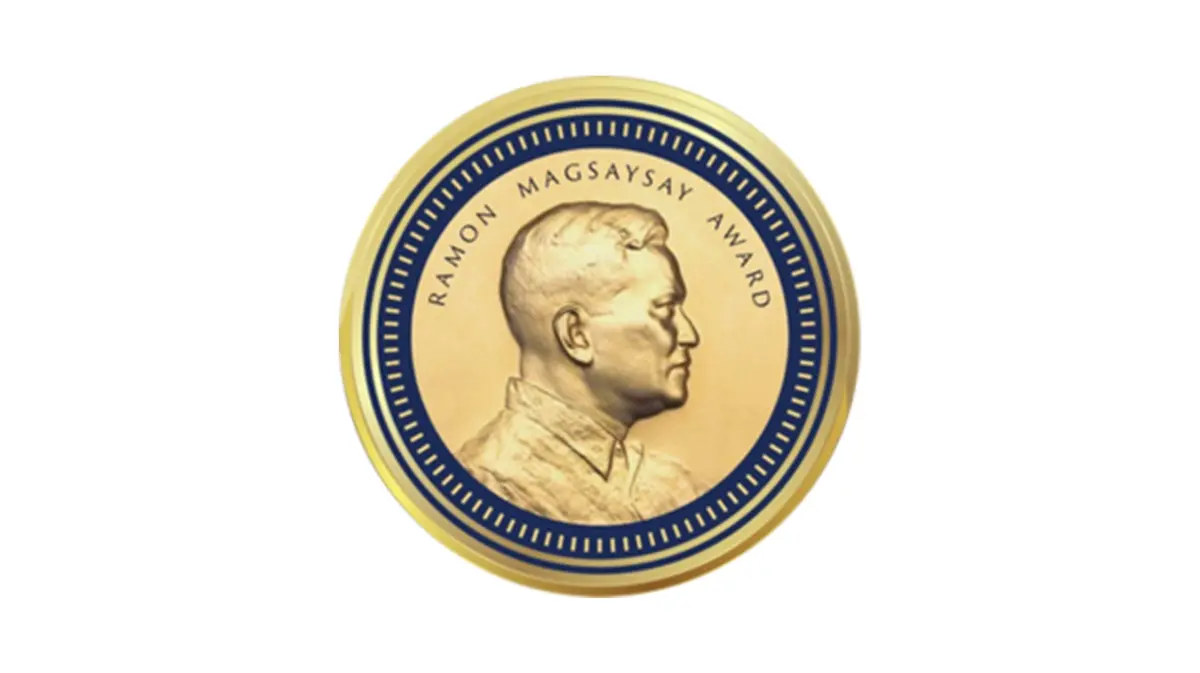
The foundation describes the honour as Asia’s premier leadership award. That description belongs to the awarding institution. Selection rests with its board of trustees. Each recipient receives a certificate and a medallion bearing Magsaysay’s image.
The award originally used several service categories. Since 2009, it has generally recognised leadership without those fixed categories. The emphasis remains integrity, courage and practical public service. Laureates come from varied political and professional settings.
Tommy Koh and international law
Tommy Koh is a Singaporean diplomat, legal scholar and educator. He represented a small state in major international negotiations. The foundation highlighted his commitment to dialogue and peaceful dispute resolution. It also recognised his work mentoring younger leaders.
Koh played a central role in negotiations for the United Nations Convention on the Law of the Sea. He chaired the conference during its final years. The convention sets rules for maritime zones and ocean use. Its adoption required compromise among very different states.
He also contributed to the 1992 Earth Summit process. His career linked diplomacy with universities, arts and public policy. This wider service shaped the award decision. It shows that institution-building can continue beyond treaty negotiations.
Runa Khan and riverine communities
Runa Khan founded the organisation Friendship in Bangladesh. It first used a hospital ship to reach remote char communities. Chars are shifting river islands and sandbanks. Their residents often remain far from permanent services.
Friendship later expanded into health, education, livelihoods and climate adaptation. Its work also reaches coastal and refugee communities. Mobile services respond to difficult geography. Local staff help maintain continuity when river channels move.
The foundation praised Khan’s empathy and organisational persistence. It linked service delivery with dignity rather than charity alone. Bangladesh’s delta exposes communities to floods, erosion and cyclones. Flexible institutions are essential in such a changing landscape.
Bo Kyi and political prisoners
Bo Kyi is a former political prisoner from Myanmar. He spent seven years in detention after the 1988 democracy movement. In 2000, he co-founded the Assistance Association for Political Prisoners. The organisation is commonly shortened to AAPP.
AAPP documents arrests, detention and reported deaths under military rule. It also assists prisoners and their families. Careful records can preserve evidence when normal institutions fail. The work carries serious risks for staff and sources.
Myanmar’s military seized power again in February 2021. Conflict and repression then intensified across the country. The foundation honoured Bo Kyi’s pursuit of truth and accountability. The award does not resolve disputes over every reported number.
Why the three selections matter together
The recipients work at very different levels. Koh shaped international rules and diplomatic institutions. Khan built direct services in hard-to-reach communities. Bo Kyi documents abuse when state protection is absent.
Together, their work connects law, human dignity and implementation. Rules need institutions and ethical leadership. Public services need local trust and continuity. Accountability needs records that can withstand scrutiny.
The selections also reflect diverse Asian geographies. Singapore is a maritime city-state. Bangladesh is a densely populated river delta. Myanmar remains a large conflict-affected mainland country.
Reading awards critically
An award is a judgement by its selecting body. It should not replace independent examination of a recipient’s work. Official citations emphasise achievements and values. Readers may also consult institutional records and outside reporting.
Recognition can strengthen public attention and funding. It can also create new security risks for rights defenders. Ceremonies should not overshadow the communities behind the work. Lasting value comes from institutions that continue serving them.
Three forms of public leadership
The 2026 choices recognise treaty-building, community service and rights documentation. Each responds to a different failure of power or access.
Conclusion
The 2026 awardees show that leadership can operate through very different institutions. Tommy Koh strengthened international cooperation and legal order. Runa Khan built services around difficult riverine realities. Bo Kyi preserved evidence and support under repression. Their lasting measure will remain the institutions and people strengthened by their work.