

Why in news?
Alaska plans to treat Lalen Lake and Visnaw Lake with rotenone during autumn 2026. Both lakes contain introduced northern pike that damage local fisheries. The treatment aims to remove the pike before fish stocking resumes in 2027. The plan also raises important questions about ecological effects and operational safeguards.
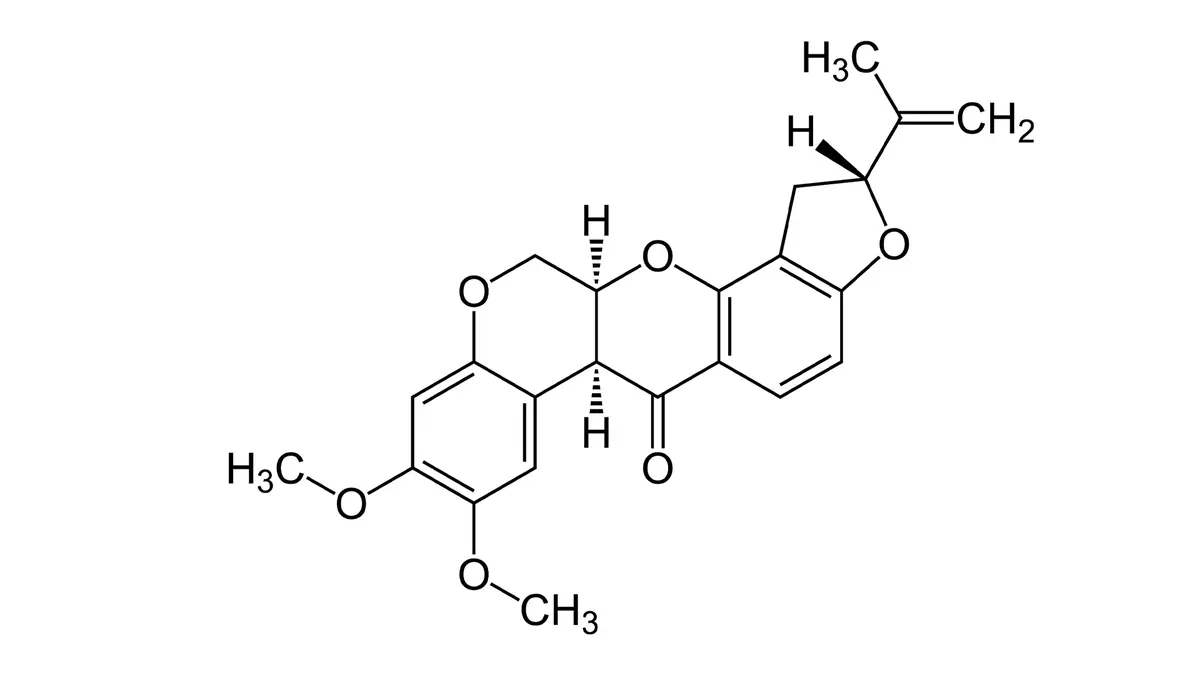
What rotenone is
Rotenone is a naturally derived chemical found in the roots of several tropical plants. Fisheries managers use registered formulations as piscicides, or fish pesticides. The compound interferes with mitochondrial cellular respiration. Fish absorb it efficiently through their gills.
Treatment does not simply remove one selected species. At an effective concentration, it can kill many fish within the treated water. Tadpoles and some gilled aquatic insects can also be affected. Planning must therefore examine non-target species and connected streams.
Rotenone breaks down through light, heat and natural processes. The rate changes with temperature, depth and water chemistry. Potassium permanganate can neutralise the chemical at a chosen boundary. Managers test the water before returning fish or reopening some uses.
Why northern pike are targeted
The northern pike is scientifically named Esox lucius. It is a large predatory fish native to parts of Alaska. However, it is invasive in many Southcentral waters. Illegal introductions have carried it beyond its natural Alaskan range.
Pike thrive in shallow, vegetated lakes and eat other fish. In new waters, they can severely reduce salmon and trout populations. A lake can also become a source for further human movement. Connected waterways may spread the problem without another introduction.
Lalen and Visnaw lie in Alaska’s Matanuska–Susitna region. Confirmed pike populations have reduced or ended normal stocking there. The state wants to remove accessible source populations. It plans to restock suitable fish after the chemical becomes inactive.
How a lake treatment works
Managers first map the lake, wetlands, inlets and outlets. They estimate water volume and choose a concentration from the product label. Liquid or wettable powder may be pumped from boats. Backpack equipment can reach small tributaries and marsh edges.
Water circulation helps distribute the treatment evenly. Barriers may stop fish escaping into untreated areas. Crews sample chemical concentration at several points. They also collect and dispose of many dead fish.
Sentinel fish and laboratory tests can confirm when rotenone is no longer active. Restocking should begin only after detoxification is established. Later surveys must check whether any pike survived. A few missed individuals can rebuild the population.
Ecological trade-offs and safeguards
The immediate ecological cost is the loss of treated fish and some sensitive aquatic organisms. Birds and mammals can lose a food source temporarily. Their direct exposure risk is lower because mammals absorb rotenone differently. This does not remove the need for public restrictions.
Timing can reduce impacts on nesting waterbirds and vulnerable insect stages. Treatment during cooler periods may also slow natural breakdown. Managers must balance these competing conditions. Detailed operational plans should explain monitoring and neutralisation points.
Drinking treated water and eating killed fish should be restricted according to official instructions. Signs and public notices are essential. People need clear dates for closures and reopening. Emergency contacts should remain available throughout the operation.
Why chemical eradication is sometimes chosen
Netting and electrofishing can suppress pike numbers. They rarely find every fish in a complex lake. Draining a lake is usually impractical and highly disruptive. Rotenone can offer a realistic chance of complete removal.
Eradication is strongest when reinvasion can be prevented. Agencies must protect outlets and address illegal fish movement. Education and enforcement therefore support the chemical operation. Otherwise, the ecological cost may be repeated later.
Success also needs post-treatment habitat and fish-community monitoring. Restocking should fit the lake’s ecological capacity. Native species deserve priority where feasible. Angling benefits should not become the only measure of recovery.
Native in one place, invasive in another
Northern pike belong naturally in parts of Alaska. Their ecological status changes when people introduce them into Southcentral waters outside that range.
Conclusion
Rotenone can remove an invasive fish population when physical methods are unlikely to succeed. It is also a broad fish toxicant requiring careful controls. Alaska’s plan links treatment with testing, neutralisation and later restocking. Long-term success depends on preventing another illegal introduction. Transparent monitoring is essential for ecological recovery and public confidence.