

Why in news?
A newly married couple was found dead in Sasthamcotta Lake in Kerala’s Kollam district on 6 September 2026. Police recovered the bodies after relatives reported them missing. An inquest was opened under Section 194 of the Bharatiya Nagarik Suraksha Sanhita, 2023. The circumstances remained under investigation, so no cause should be assumed.
What the legal procedure means
Section 194 governs police inquiry into certain unnatural or suspicious deaths. It covers suicide, accidents and deaths involving possible offences. The police record visible injuries and surrounding circumstances through an inquest. This preliminary process does not itself decide criminal responsibility.
A medical examination may help determine the immediate cause of death. Witness accounts, digital records and forensic evidence can clarify the sequence. Public speculation can distress families and compromise a fair inquiry. Responsible reporting should separate confirmed facts from unresolved questions.
Where is Sasthamcotta Lake?
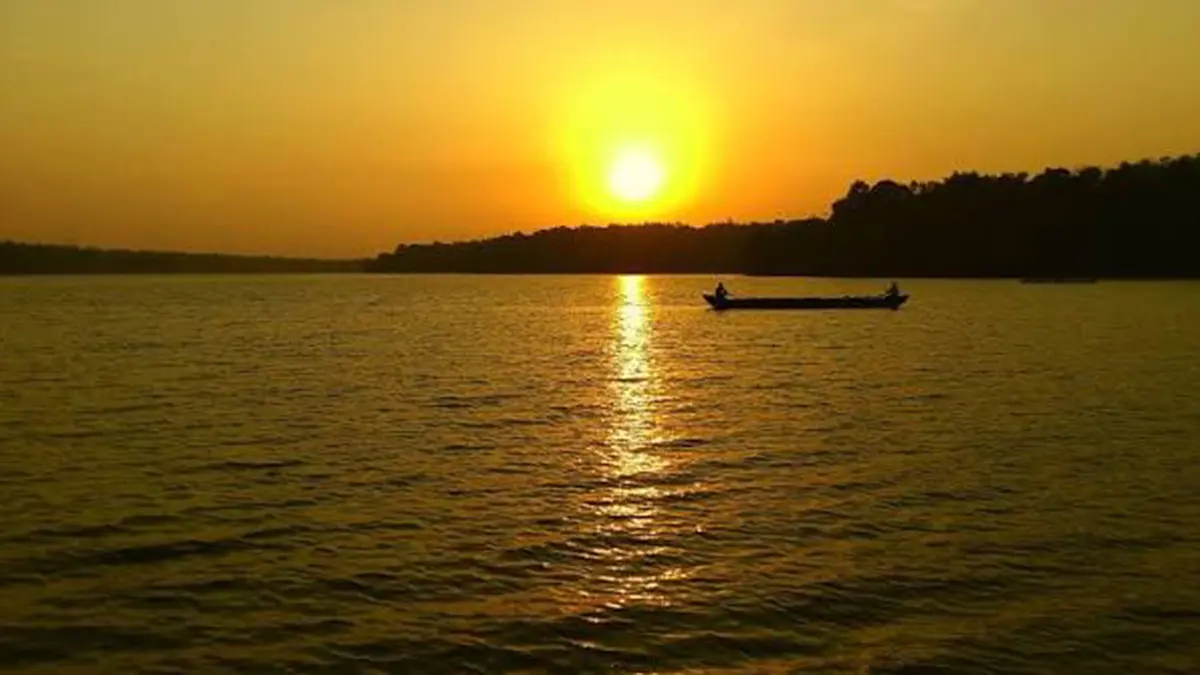
Sasthamcotta lies in Kunnathoor taluk of Kollam district in southern Kerala. It is around 30 kilometres north-east of Kollam city. The lake occupies an elevated depression within the Kallada River basin. Hills enclose much of its catchment.
The wetland covers about 373 hectares under its Ramsar information record. It is widely recognised as Kerala’s largest freshwater lake. A southern bund separates the water from adjoining paddy land. The surrounding settlement takes its name from the lake.
Kerala lies along India’s south-western coast between the Western Ghats and Arabian Sea. Kollam’s short river basins receive heavy monsoon rainfall. Sasthamcotta has no major river flowing directly into it. Rain, small surface flows and underground springs help sustain the lake.
Why the lake is internationally important
India designated Sasthamcotta as a Ramsar site on 19 August 2002. The Ramsar Convention recognises wetlands of international importance. Listing does not transfer ownership or automatically solve local problems. It commits authorities to wise use and ecological monitoring.
The lake supports freshwater fish, aquatic plants and water birds. Its margins include marshy zones and lateritic land. Seasonal water changes create several small habitats. These ecological functions also influence water quality and local livelihoods.
Sasthamcotta is a major drinking-water source for Kollam and nearby areas. This use makes catchment protection a public-health concern. Pollution or falling storage can affect many users at once. Ecological health and water supply cannot be managed separately.
Pressures on the wetland
Official documents identify pollution, sedimentation and encroachment as continuing concerns. Wastewater and poorly managed solid waste can add nutrients and pathogens. Soil disturbance within the catchment can increase sediment entry. Construction can also alter natural drainage towards the lake.
Water extraction creates another management challenge. Demand rises as surrounding settlements and institutions grow. Withdrawal must remain consistent with seasonal recharge and ecological needs. A wet year cannot justify permanently higher pumping.
Loss of catchment vegetation can quicken runoff and soil erosion. More sediment may then reach shallow lake margins. Trees and ground cover help slow water and trap soil. Protection should therefore extend beyond the visible waterline.
What effective management requires
Authorities need regular records of lake level, rainfall, extraction and water quality. Public summaries can show whether interventions are working. Sampling should cover different seasons and locations. One clean reading cannot represent the whole lake.
Local bodies must control sewage, dumping and risky shoreline construction. Drinking-water agencies should coordinate with wetland managers. Farmers and residents need practical alternatives before restrictions are enforced. Shared decisions usually work better than isolated departmental action.
Public access also requires safe design and sensitive policing. Rescue capacity, lighting and clear hazard information can reduce accidental deaths. Safety measures should respect the lake’s quiet habitat. The recent case should not be used to infer wider ecological danger.
Conclusion
The recent deaths require a careful police and medical investigation. They also draw attention to a nationally important freshwater system. Sasthamcotta supports biodiversity, settlements and a major drinking-water supply. Its future depends upon controlled extraction and a protected catchment. Transparent monitoring can connect Ramsar recognition with measurable local improvement.