

Why in news?
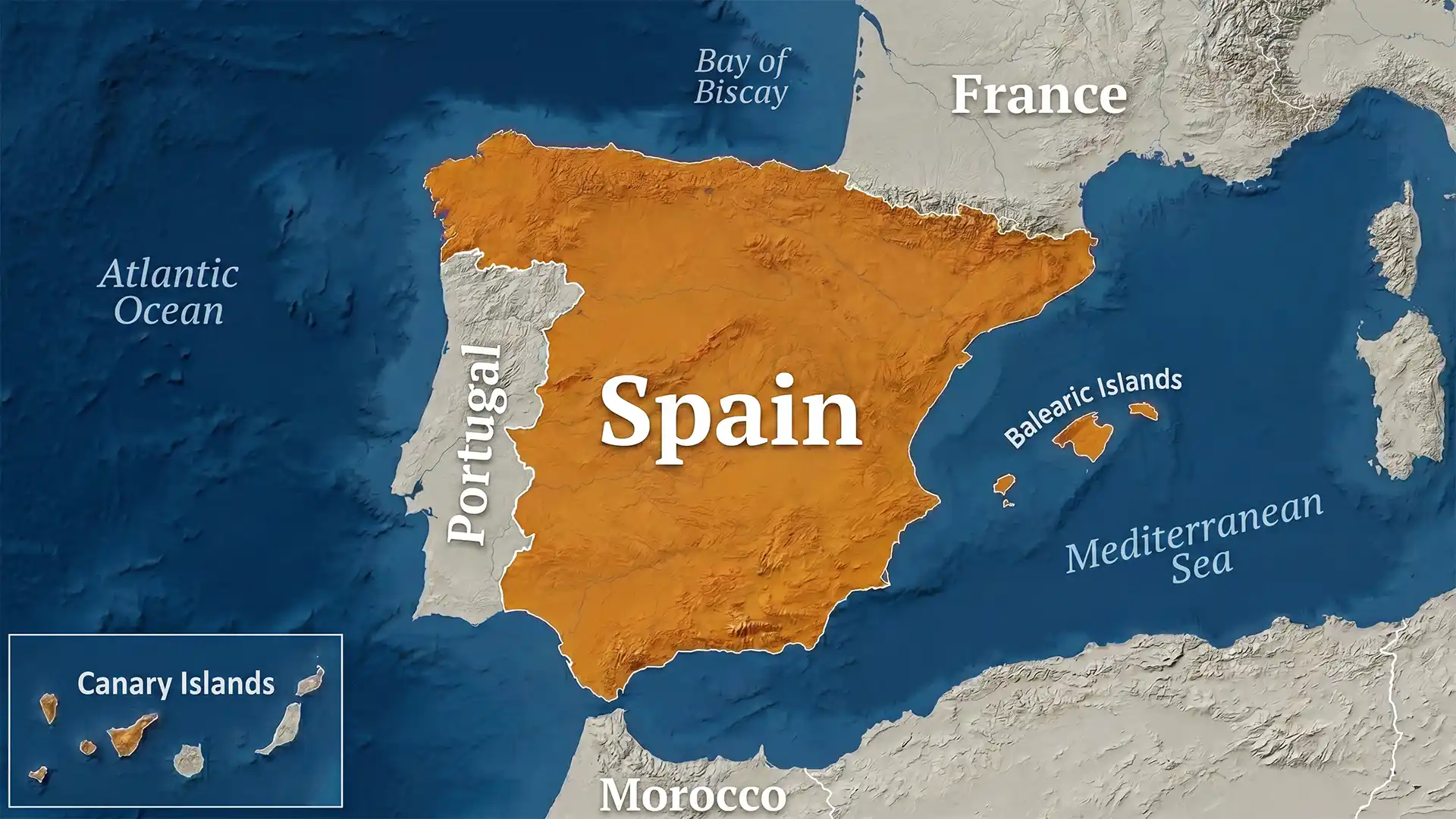
Spain has refused to allow its airspace and military bases to be used by US aircraft involved in attacks on Iran and the wider Middle East conflict. The Spanish government said the war is “illegal and unjust” and reiterated that it will not facilitate actions that prolong violence.
Background
Spain hosts US military facilities at the Morón Air Base near Seville and the Naval Station Rota in Cádiz as part of a defence cooperation agreement. Under normal circumstances, these bases support NATO and US operations in Europe, Africa and the Middle East. However, host countries have the right to restrict specific missions if they clash with national policy.
In late March 2026, following US strikes in Iran and escalating hostilities in the region, Spain’s Defence Minister Margarita Robles declared that neither Spanish airspace nor its bases would be available for such operations. Spain has been critical of the war in the Middle East, calling for a ceasefire and adherence to international humanitarian law.
Reasons for Spain’s decision
- Legal concerns: Spanish officials argue that recent military actions lack a United Nations mandate and violate international law.
- Humanitarian stance: The government emphasises the humanitarian crisis caused by the conflict and insists on diplomatic solutions instead of further escalation.
- Domestic politics: Spain’s coalition government includes parties that oppose military interventions. Maintaining a principled position appeases its voter base and aligns with broader European calls for restraint.
Implications
- Bilateral relations: The decision may cause tension with the United States, but both nations have reiterated their commitment to overall defence cooperation.
- European precedent: Spain’s stance could encourage other European countries to assert control over foreign military actions conducted from their territory.
- Symbolic message: By refusing support, Spain sends a signal about the importance of international law and the need for a peaceful resolution to the conflict.
Conclusion
Spain’s refusal to facilitate US military operations reflects its independent foreign policy and commitment to humanitarian principles. The move underscores the complexity of alliance politics, where shared defence commitments coexist with differing views on international conflicts.
Source: The Indian Express