

Why in news?
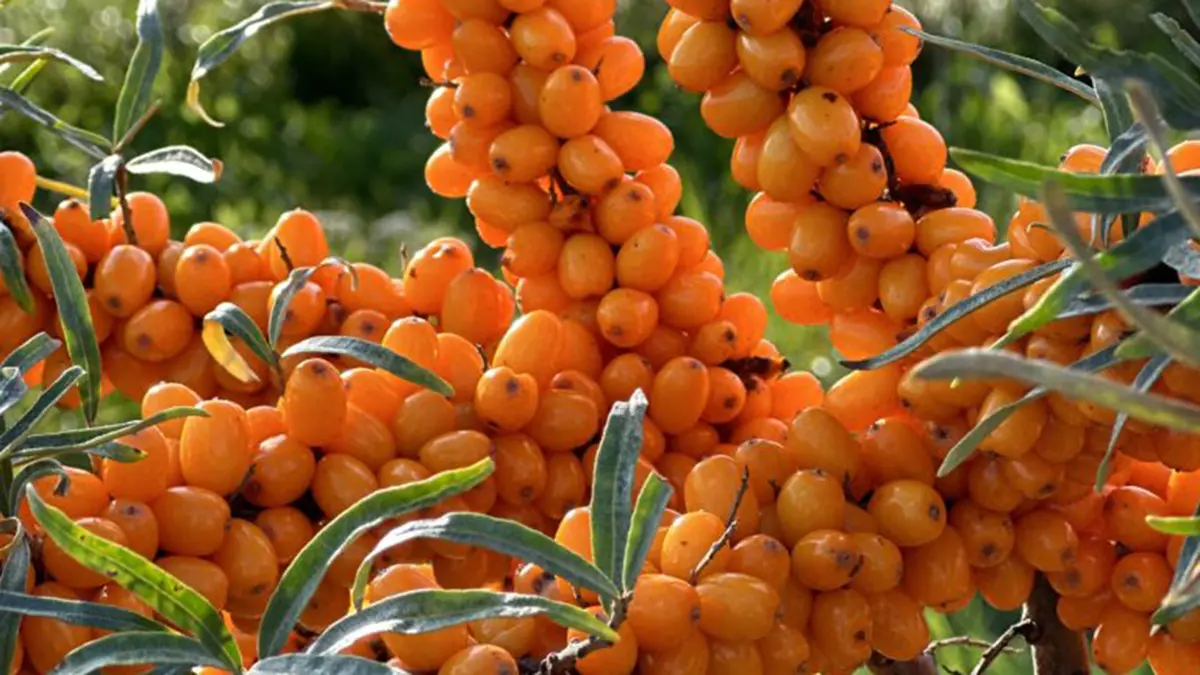
The Spiti variety of seabuckthorn, locally called “chharma,” has received a Geographical Indication (GI) tag along with seven other products from Himachal Pradesh. The GI tag recognises the plant’s unique qualities and ties it to the cold deserts of the Spiti Valley.
Background
A Geographical Indication is an intellectual property right that identifies goods originating from a specific place. It protects producers against misuse of the name and adds value by signalling authenticity. Seabuckthorn (Hippophae rhamnoides) is a thorny shrub native to the high Himalayas. It grows at altitudes between 2,500 and 4,500 metres in Ladakh, Lahaul‑Spiti, Uttarakhand and Arunachal Pradesh. The plant thrives in harsh climates with intense ultraviolet radiation, which helps it accumulate a rich mix of nutrients and bioactive compounds.
Nutritional and ecological value
- Rich in vitamins: Seabuckthorn berries are one of the world’s richest sources of vitamin C (up to 2,500 mg per 100 g). They also contain vitamins A, E, K and B complex.
- Healthy fats: The berries provide omega‑3, omega‑6, omega‑9 and the rare omega‑7 fatty acid (palmitoleic acid). These fats support skin health and heart function.
- Antioxidants: Flavonoids and carotenoids in the fruit act as antioxidants, helping to neutralise free radicals and reduce inflammation.
- Soil stabiliser: The shrub’s long roots fix nitrogen and bind soil, preventing erosion in fragile mountain slopes. Its dense branches provide habitat for birds and wildlife.
- Traditional uses: Local communities use seabuckthorn juice, jams and teas to boost immunity and treat digestive issues. The oil is applied on wounds and burns.
Significance of the GI tag
- Legal protection: Only producers from Spiti can market the berries using the registered name. This prevents adulteration and misuse.
- Economic benefits: The tag can enhance the market value of seabuckthorn products, improving incomes for farmers and women’s cooperatives.
- Conservation incentive: Recognising the unique qualities of Spiti’s seabuckthorn encourages sustainable harvesting and cultivation, which will maintain the delicate ecology of the high Himalayas.
Conclusion
The GI tag for Spiti’s seabuckthorn highlights both its superior nutritional profile and its deep connection to the Himalayan landscape. By protecting the name and encouraging sustainable production, the tag can bring economic and ecological benefits to mountain communities.