

Why in news?
Chandigarh hosted a three-day artisan market at Sukhna Lake from 3 to 5 September. Five people registered under Pradhan Mantri Vishwakarma received stalls at the popular public space. They could display and sell their work directly to residents and tourists. The pilot also offered on-site help for formal business registration.
What the pilot involved
The Micro, Small and Medium Enterprises Development and Facilitation Office in Ludhiana organised the initiative. Chandigarh's Department of Tourism worked with that Union government field office. The stalls were provided to five local scheme beneficiaries. A separate desk assisted entrepreneurs with Udyam Registration.
The organisers presented direct market access as the central purpose. Artisans normally lose part of the final price to several intermediaries. A busy public location can connect them with buyers and immediate feedback. However, a three-day event cannot establish lasting income improvement by itself.
The pilot followed an earlier “One Airport One Product” effort at Mohali airport. Both approaches use high-footfall places as temporary markets. This reduces the need for each artisan to rent a permanent shop. Success depends upon fair selection, suitable timing and repeat opportunities.
How Pradhan Mantri Vishwakarma supports artisans
Pradhan Mantri Vishwakarma is a Central Sector Scheme launched in September 2023. It covers artisans working with their hands and tools across 18 listed trades. The design combines formal recognition, skills, modern tool support and market access. It also offers concessional collateral-free enterprise loans under stated conditions.
Marketing support is important because training alone does not create demand. Exhibitions can help producers test designs and explain the value of handmade work. Direct sales may also provide a better share of the consumer price. Digital payments and branding can extend customer relationships after an event.
Udyam Registration is the government's formal registration system for micro, small and medium enterprises. The official process is free, paperless and based on self-declaration. Registration can make some services and finance easier to access. It does not guarantee credit, sales or eligibility under every scheme.
Sukhna Lake and its geographical setting
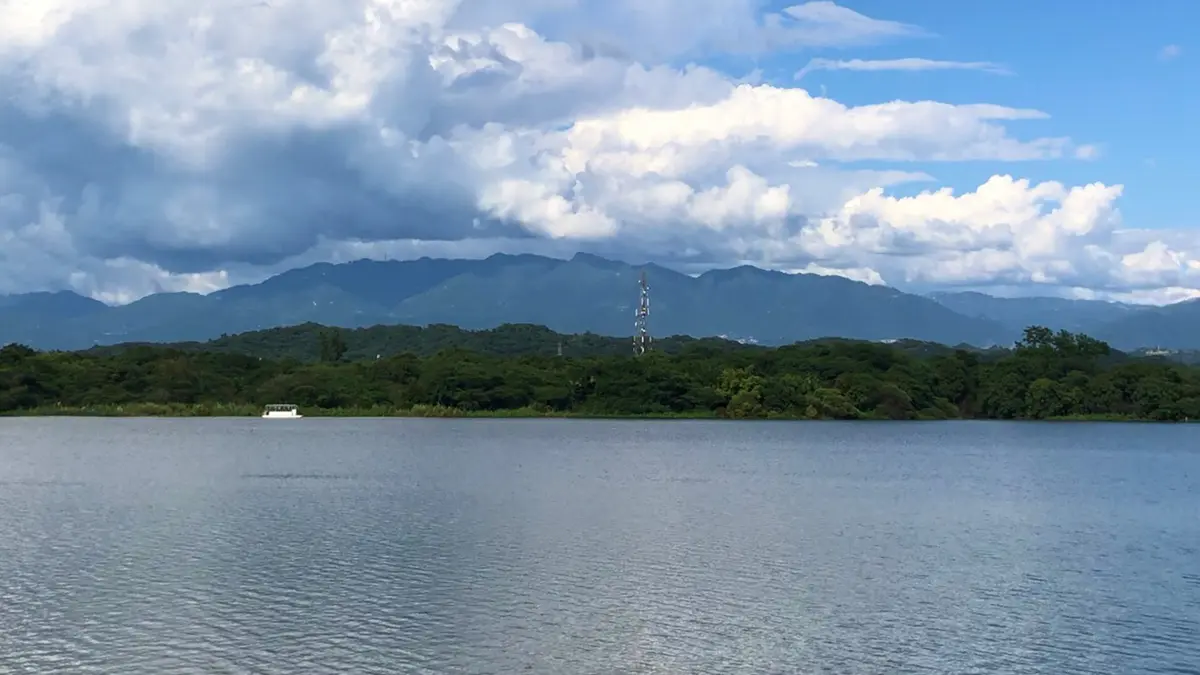
Sukhna is a human-made, rain-fed lake beside Chandigarh's Shivalik foothills. It was created in 1958 by damming the seasonal Sukhna Choe. The waterbody occupies about three square kilometres. It forms an important recreational and landscape element within the planned city.
The lake receives water and sediment from a larger Shivalik catchment. Those hills contain fragile soils that erode during heavy rain. Conservation works have reduced sediment inflow over time. Continued catchment care remains essential for the lake's depth and water quality.
Sukhna Wildlife Sanctuary lies around one kilometre north-east of the lake. It protects much of the hilly catchment but is not the lake itself. This distinction matters for accurate legal and ecological description. The connected landscape supports water regulation, vegetation and wildlife movement.
Balancing livelihood activity and public-space care
A lakeside market can combine tourism spending with local livelihoods. Visitors gain a chance to meet producers and understand traditional skills. Artisans gain visibility without entering a distant commercial fair. The public setting can also make government support more approachable.
Organisers must still protect the site's carrying capacity and cleanliness. Stall placement should not block walking routes or emergency access. Waste, packaging and temporary power connections need clear rules. Products and signs should avoid visual or physical damage to the lakefront.
Evaluation should move beyond footfall and photographs. Useful measures include artisan sales, repeat orders and customer contacts after the event. Organisers should also record participation costs and beneficiary feedback. Such evidence can show whether the model deserves expansion.
Conclusion
The Sukhna Lake pilot placed livelihood support within a well-used public space. Direct selling can reduce distance between artisans and their customers. Formal registration help can support later business activity. Future events must remain transparent, inclusive and environmentally careful. Measured income outcomes should guide any larger or permanent programme.