

Why in news?
Tandulwadi Fort has gained attention as a trekking destination near Mumbai. Heritage enthusiasts are highlighting its history and the need for conservation. Knowing its past helps understand the strategic importance of forts on India’s west coast.
Background
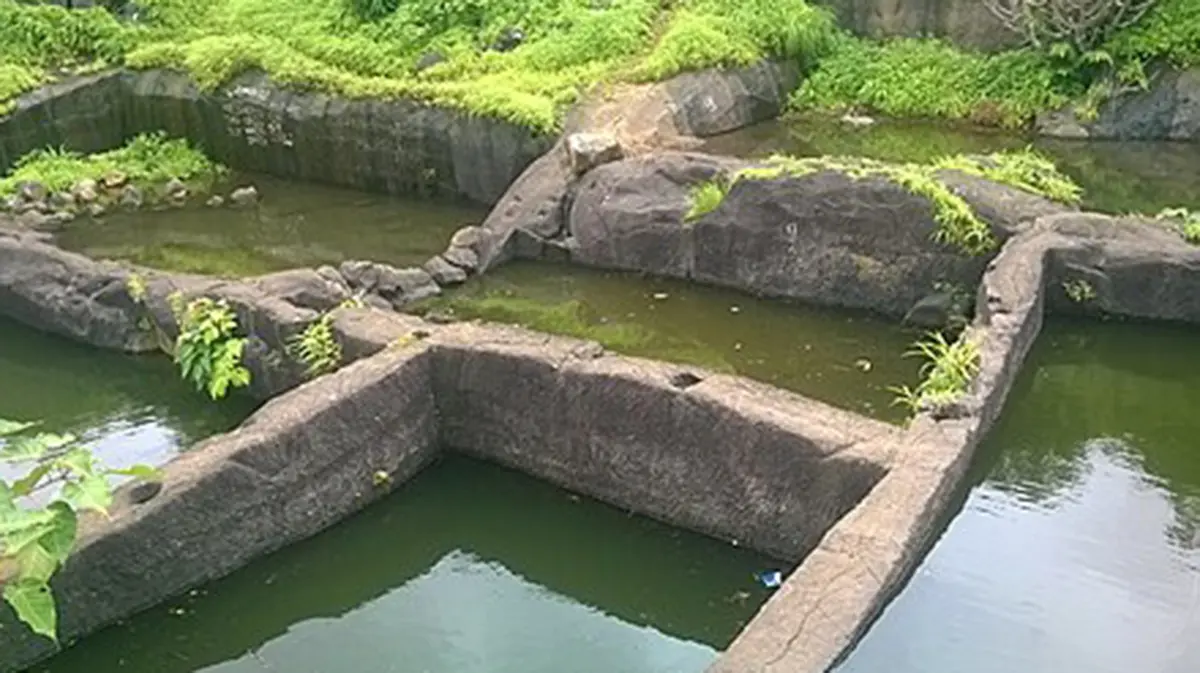
Tandulwadi Fort stands on a hill near Saphale in Palghar district of Maharashtra, about 104 kilometres north of Mumbai. The hill rises roughly 460 metres (1,524 feet) above sea level. This fort is unusual because it is not a large stone structure; rather it consists of scattered ramparts and water cisterns across the hilltop. Historical records trace its control to the fifteenth century when it was under Jafar Khan, son of Gujarat Sultan Ahmed Shah. At that time it served as a watchtower to monitor the surrounding plains and the Arabian Sea. In 1557 the Portuguese captured it during their expansion along the Konkan coast. The Marathas later seized the fort in 1737 after the Battle of Bassein and used it as an outpost. After the Third Anglo‑Maratha War it came under British control.
Features
- Natural fortifications: Steep slopes and rocky ridges make the hill difficult to climb. There are few remaining walls or gates.
- Water storage: Rock‑cut cisterns and a small pond provided water to garrison troops throughout the year.
- Panoramic views: From the summit visitors can see the Vaitarna River, the Arabian Sea, Zanzorli Lake and nearby hill forts like Kohoj and Takmak.
- Lack of buildings: Unlike larger forts, there are no palaces or temples here. Its main role was surveillance, not residence.
Conclusion
Tandulwadi Fort may not have grand structures, but its history illustrates how hilltops were used as watchpoints to secure trade routes and coastal settlements. Protecting such sites and promoting responsible tourism can help preserve Maharashtra’s heritage for future generations.