

Why in news?
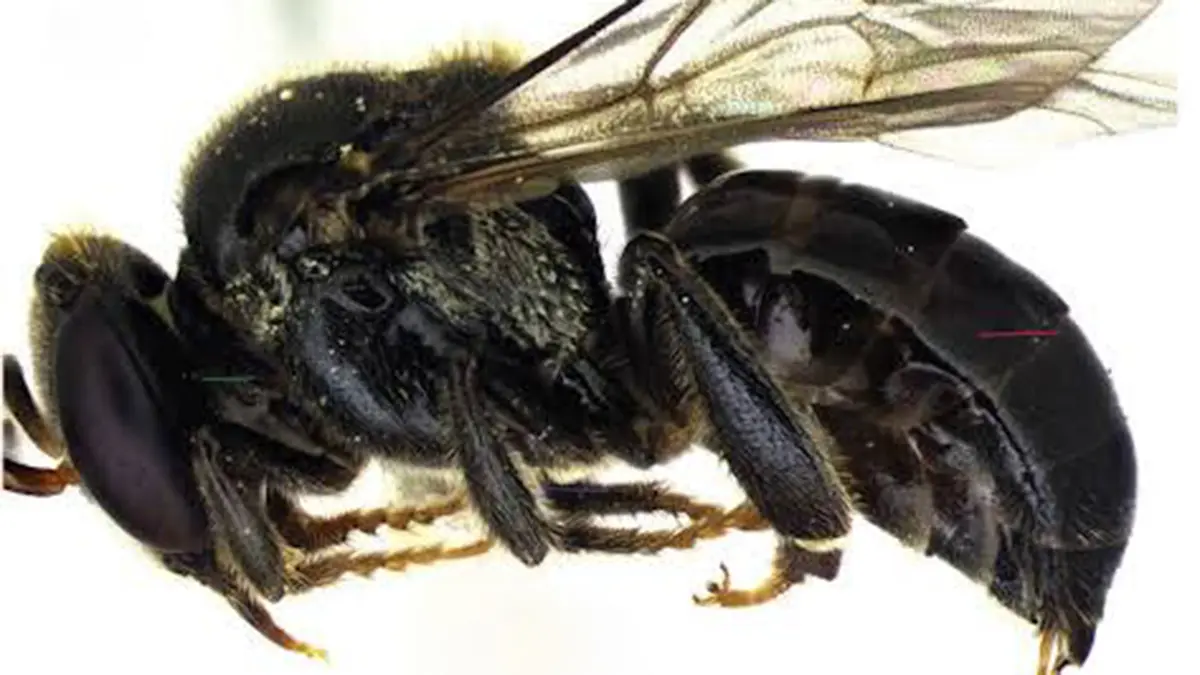
Researchers described a new stingless bee species named Tetragonula nagalandensis from Nagaland. Its colonies were found in underground cavities near Medziphema. Male anatomy and other diagnostic features separated it from known relatives. The finding expands knowledge of pollinator diversity in India’s poorly surveyed north-east.
How the species was identified
The formal study appeared in the journal Oriental Insects. Researchers from universities in Bengaluru, Nagaland and Imphal worked together. They examined workers, males and nest information. Comparisons focused on related Indian Tetragonula species.
The bees are very small, measuring around five millimetres. The colonies occupied cavities about eighty centimetres below ground. Narrow entrance tubes connected the nests with the surface. Subterranean nesting makes colonies difficult to detect during ordinary surveys.
Male genital structures supplied important diagnostic characters. The paper records a distinct notch and form of the genital valve. Such features may remain consistent when body colour varies. A species description must still consider several characters together.
What stingless bees are
Stingless bees belong to the tribe Meliponini within family Apidae. They are close relatives of honey bees and bumblebees. Their sting is reduced and cannot function like a honey-bee sting. “Stingless” does not mean completely defenceless.
Workers may bite or place sticky resin on an intruder. Colonies use wax, plant resins and mud in nest construction. They store honey and pollen in small pots. Their colony organisation includes queens, workers and males.
Many species live in tropical and subtropical regions. They nest in trees, walls, soil or abandoned cavities. Nest site can help recognition but may vary within a species. Taxonomy therefore cannot rely on architecture alone.
Why males matter in bee taxonomy
Workers of related stingless bees can look extremely similar. Colour and size may overlap. Male structures can show clearer inherited differences. They help test whether two populations represent separate species.
Males are not always present when a nest is sampled. This has left some species known mainly from workers. The new work also documented the male of Tetragonula srikantanathi. That information should improve future identification keys.
DNA evidence can later test the proposed relationships. It may reveal hidden diversity or unexpected similarity. Museum specimens remain the physical reference for the name. Their labels must preserve location and collection details.
Nagaland’s geographic setting
Nagaland lies in the hills of north-eastern India. Assam borders it to the west and north-west. Manipur lies south, while Arunachal Pradesh touches the north-east. Myanmar forms the international boundary to the east.
Most of the state is mountainous and receives strong monsoon rainfall. The Naga Hills rise from the Brahmaputra valley towards the Patkai ranges. Elevation creates many local climates and vegetation types. This variety can support closely separated pollinator communities.
Medziphema lies near the lower hill zone adjoining the Dimapur plains. Forest fragments, farms and villages create a mixed landscape. Underground nests may face damage from excavation or pesticide use. Their presence deserves attention during local land management.
Ecological and livelihood value
Stingless bees visit many small flowers and can pollinate crops. Their short flight range makes nearby vegetation important. Continuous flowering resources support colonies across seasons. Wild plants and farms can therefore benefit each other.
Some communities manage stingless bees for honey and other hive products. The yield is smaller than conventional honey-bee production. However, local products may have high cultural and market value. Safe management must avoid destructive nest removal.
Pollinator conservation requires more than naming species. Farmers need practical guidance on pesticide timing and dosage. Nesting habitat should remain near food plants. Long-term surveys can measure whether populations are stable.
Avoiding confusion with another new species
Tetragonula yikhumensis was separately described from Wokha district in 2026. It is not another name for Tetragonula nagalandensis. The studies concern different species and localities. Their close publication dates can cause mistaken reporting.
New names should always be checked against the original paper. Secondary summaries may omit the decisive characters. Scientific spelling also matters because one letter can indicate another taxon. Italics help readers recognise a genus and species name.
“Stingless” describes the reduced sting
These bees cannot sting like ordinary honey bees. They can still defend their nests by biting and using sticky materials.
Conclusion
Tetragonula nagalandensis reveals another part of Nagaland’s hidden pollinator diversity. Male anatomy and nest evidence support its formal recognition. The discovery also improves identification of related Indian bees. Field surveys must now establish its wider range and habitat needs. Conservation should protect both colonies and the flowering landscapes supporting them.