

Why in news?
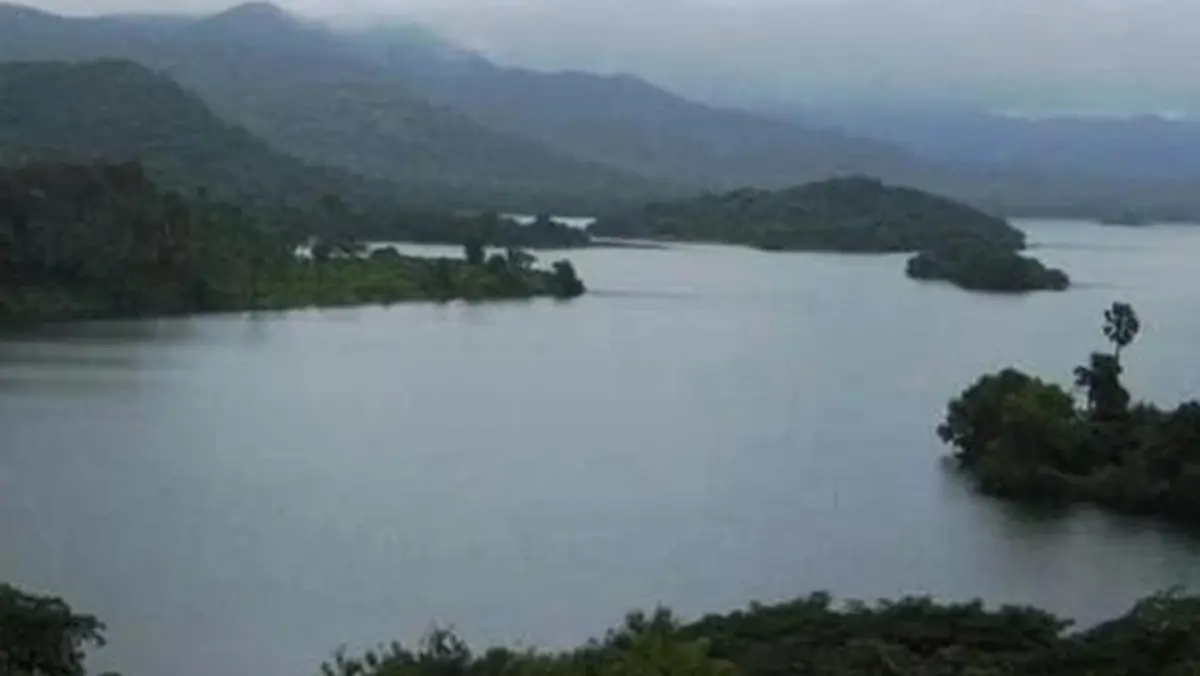
Heavy rains in August 2025 caused the Vihar Lake in north Mumbai to overflow, reminding residents of its role in the city’s water system. Although the overflow event was nearly a year ago, the lake’s history and features remain relevant for understanding urban water management.
Background
Vihar Lake is a man‑made reservoir on the Mithi River within the Sanjay Gandhi National Park. Construction began in January 1856 and finished in 1860, making it Mumbai’s first piped water supply scheme. Located between Powai and Tulsi lakes on Salsette Island, it was once the largest lake in the city. The Brihanmumbai Municipal Corporation (BMC) controls the lake and has restricted public access since 1993 for security reasons.
Features of the lake
- Storage and capacity: The reservoir covers about 7 square kilometres, with a maximum depth of 34 metres. Its full storage capacity is roughly 27,698 million litres (2,769.8 crore litres). It feeds into a filtration plant at Bhandup and supplies about 3 % of Mumbai’s drinking water.
- Catchment and dam: Rainwater from the Powai‑Kanheri hill ranges drains into the lake. Three earthen embankment dams with a masonry spillway create the reservoir. The dam was raised in 1872 to increase water supply as the city grew.
- Ecology: As part of a protected national park, the lake’s catchment retains dense forest cover. Mugger or marsh crocodiles live in the waters, and the area supports diverse flora and fauna. To view the crocodiles safely, the park authorities have set up a separate facility.
Recent developments
During the 2025 monsoon the lake filled quickly and spilled into the Mithi River. Despite its small contribution to Mumbai’s total water supply, the lake’s overflow served as a reminder of the need for balanced reservoir management and urban flood preparedness.
Conclusion
Vihar Lake remains an important part of Mumbai’s water heritage. It illustrates how colonial‑era infrastructure can still serve modern cities if maintained properly. Ensuring ecological protection alongside water supply and flood control will be essential as climate change alters rainfall patterns.