

Why in news?
A clinical trial in China reported that daily supplementation of vitamin E improved liver tissue in adults suffering from metabolic associated steatohepatitis (MASH), a severe form of fatty liver disease. The findings have raised hopes for a simple treatment for this growing health problem.
Background
MASH occurs when fat builds up in the liver and triggers inflammation and scarring. It affects millions of people worldwide and can progress to cirrhosis or liver cancer. Currently there is no approved drug specifically for MASH; patients rely on lifestyle changes and management of underlying conditions.
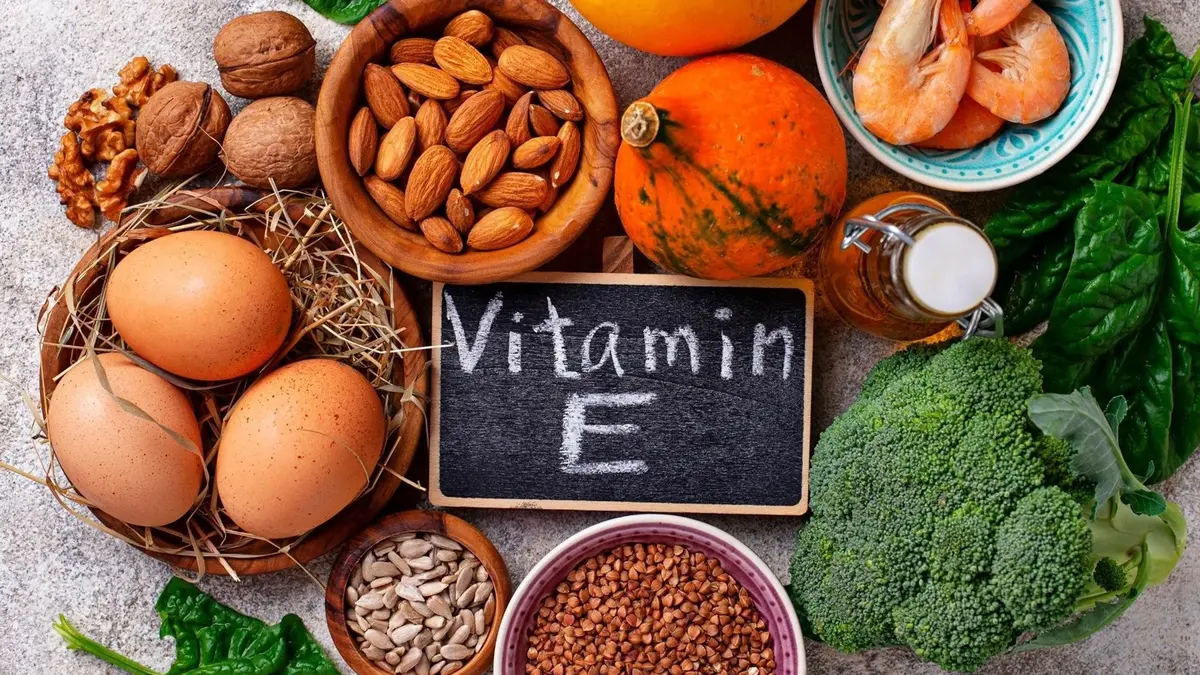
Vitamin E refers to a group of eight fat‑soluble compounds with antioxidant properties. The most biologically active form is alpha‑tocopherol. Nuts, seeds, vegetable oils and green leafy vegetables are rich sources. Deficiency is rare but can cause nerve and muscle problems. As an antioxidant, vitamin E helps neutralise harmful free radicals and supports immune function.
Study findings
- Trial results. In the randomised trial, adults with MASH received 300 mg of vitamin E daily for two years. Nearly 29 % of treated participants showed measurable recovery in liver tissue, compared with about 14 % in the placebo group.
- Mechanism of action. Researchers believe that vitamin E reduces oxidative stress in liver cells, thus limiting inflammation and preventing further damage.
- Limitations. The study had a small sample size and all participants were of Chinese ethnicity. More diverse and larger trials are needed to confirm the benefits and establish long‑term safety.
Role of vitamin E in the body
- Antioxidant defence. Vitamin E neutralises free radicals formed during normal metabolism, protecting cell membranes from damage.
- Immune support. It assists in regulating immune responses and has anti‑inflammatory effects.
- Dietary sources. Almonds, sunflower seeds, wheat germ oil, spinach and broccoli are natural sources. Fortified cereals also provide vitamin E.
Significance
The trial suggests that a widely available supplement may improve liver health in some patients with MASH. However, medical guidance is essential because high doses of vitamin E can interfere with certain medications and might have side effects. For Indians, where fatty liver disease is on the rise due to sedentary lifestyles and high calorie diets, awareness of both preventive measures and emerging therapies is important.
Source: Earth