

Supreme Court closes all FIRs against NEET paper-leak protesters
Where it stands
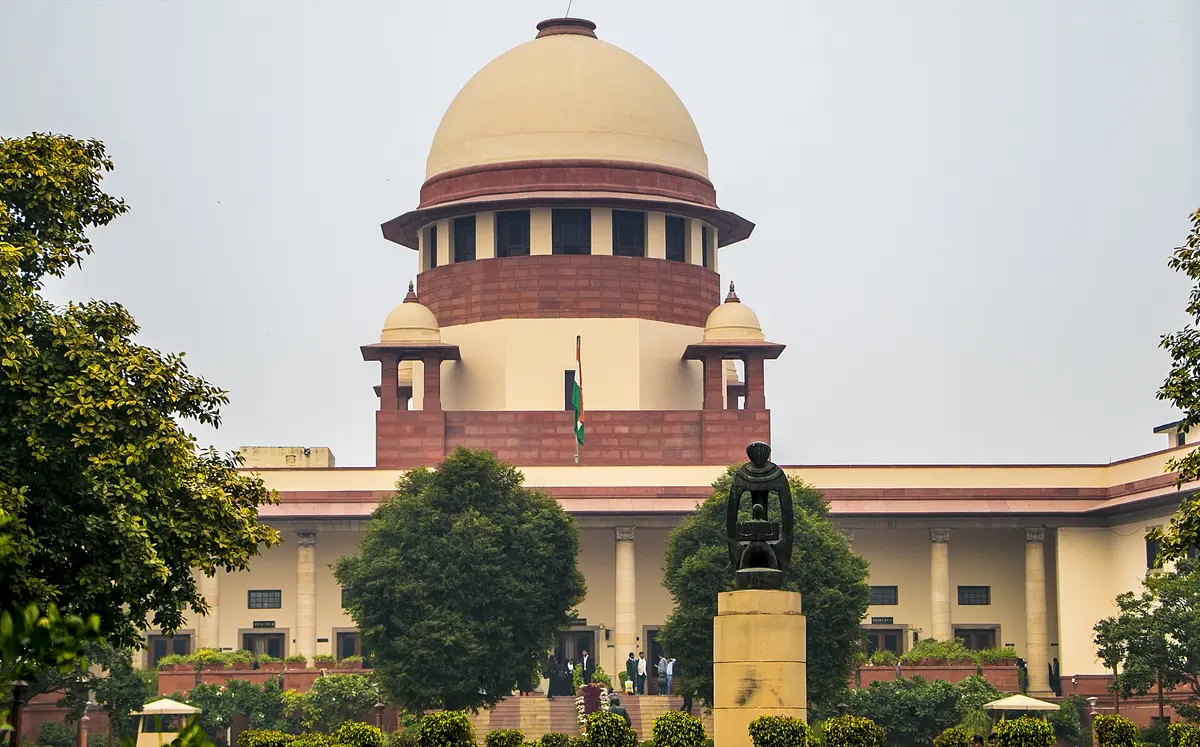
On 1 September 2026, the Supreme Court closed every FIR over the student protests of 20 to 25 July. Students had protested against the NEET paper leak. A bench of Chief Justice Surya Kant, Justice Joymalya Bagchi and Justice V Mohana used Article 142 of the Constitution. The order covers every state and union territory. No state may file a fresh FIR over those protests. Delhi Police may pursue one FIR against 2,873 persons with serious criminal antecedents. The Centre promised a compensation policy within three months for families of students who died by suicide. The Cockroach Janata Party (CJP) withdrew its march planned for 5 September 2026. The Court said the order is not a precedent.
Rewritten since you last read
Background
NEET is the National Eligibility cum Entrance Test for undergraduate medical courses. The National Testing Agency (NTA) conducts NEET. NTA held NEET (UG) 2026 on 3 May 2026. On 12 May 2026, NTA cancelled the exam over paper-leak allegations. The government sent the case to the Central Bureau of Investigation (CBI). CBI arrested a Pune teacher. NTA had appointed this teacher as an expert with access to the physics paper. NTA held the re-exam on 21 June 2026. Students protested in Delhi and elsewhere. The students wanted the Education Minister to resign. Some students died by suicide after the cancellation.
How it developed
-
May to July 2026How it started
NEET 2026 paper leak leads to student protests in Delhi
The National Testing Agency (NTA) held NEET (UG) 2026 on 3 May 2026. On 12 May 2026, NTA cancelled the exam over paper-leak allegations. NTA held the re-exam on 21 June 2026. Students protested at Jantar Mantar in Delhi. On 20 July 2026, the CJP held a 'Chalo Sansad' march in Delhi. The march ended in clashes with the police. On 25 July 2026, Education Minister Dharmendra Pradhan resigned. The same day, the Centre promised the CJP to withdraw the cases if the protests ended.
-
3 Aug, 00:00 ISTNew fact
Supreme Court says states may close FIRs against student protesters
On 28 July 2026, the Supreme Court ordered the release of student protesters below 18 years. The Court also ordered the release of protesters with no criminal record. On 3 August 2026, the Court said states were free to close or withdraw the FIRs. The Court said 'criminal antecedents' means only grave and heinous offences.
-
31 Aug, 00:00 ISTNew fact
Centre and four states ask Supreme Court to quash protest FIRs
The CJP called a fresh march in Delhi for 5 September 2026. The CJP said the Centre had not kept its 25 July promise. By 31 August 2026, the Centre had asked the Supreme Court to quash 13 Delhi Police FIRs. The FIRs were for rioting, attempt to murder, robbery and damage to public property. The Centre sought leave to file one fresh FIR against 2,873 persons with serious criminal antecedents. By 1 September 2026, Bihar, West Bengal, Maharashtra and Assam had asked the Court to quash 116 FIRs.
-
1 Sep, 15:05 ISTNew fact
Supreme Court closes every FIR over the July student protests
On 1 September 2026 the Supreme Court quashed the FIRs listed by the Centre and the four states. The Court used Article 142 of the Constitution. The Court said any other FIR over the 20 to 25 July protests must be treated as closed. The Court barred every state and union territory from filing a fresh FIR over those protests. Solicitor General Tushar Mehta promised a compensation policy within three months for families of students who died by suicide. CJP co-convener Saurav Das then withdrew the 5 September march. The Court said the order is not a precedent.
Why it matters for UPSC
The story is a GS Paper 2 topic: the judiciary, Article 142 and the right to peaceful protest. Article 142 lets the Supreme Court pass any order needed for complete justice in a case. Quashing an FIR ends a case before any trial, unlike an acquittal after a trial.
Key terms
Sources (8)
- Akashvani News · official · NEET Exam for admission to undergraduate medical education cancelled over paper leak allegations; CBI probe ordered01:25
- LiveLaw · BREAKING| Student Protests : Supreme Court Clarifies States Can Close/Withdraw FIRs Against Protesters01:23
- PTI · Pralhad Joshi appointed as Education Minister after Pradhan resigns from post01:25
- Akashvani News · official · Supreme Court says, State govts can close or withdraw FIRs against students involved in recent protests01:29
- LiveLaw · Centre To Move Supreme Court Seeking To Quash FIRs Against Student Protesters01:23
- Akashvani News · official · SC orders closure of FIRs registered against student protests over NEET paper leak01:23
- LiveLaw · BREAKING| Supreme Court Quashes FIRs Across Country Over Student Protests; Bars Future FIRs01:23
- Deccan Chronicle · SC Quashes All FIRs against CJP Protestors, Sept 5 March Called Off01:25