

Why in news?
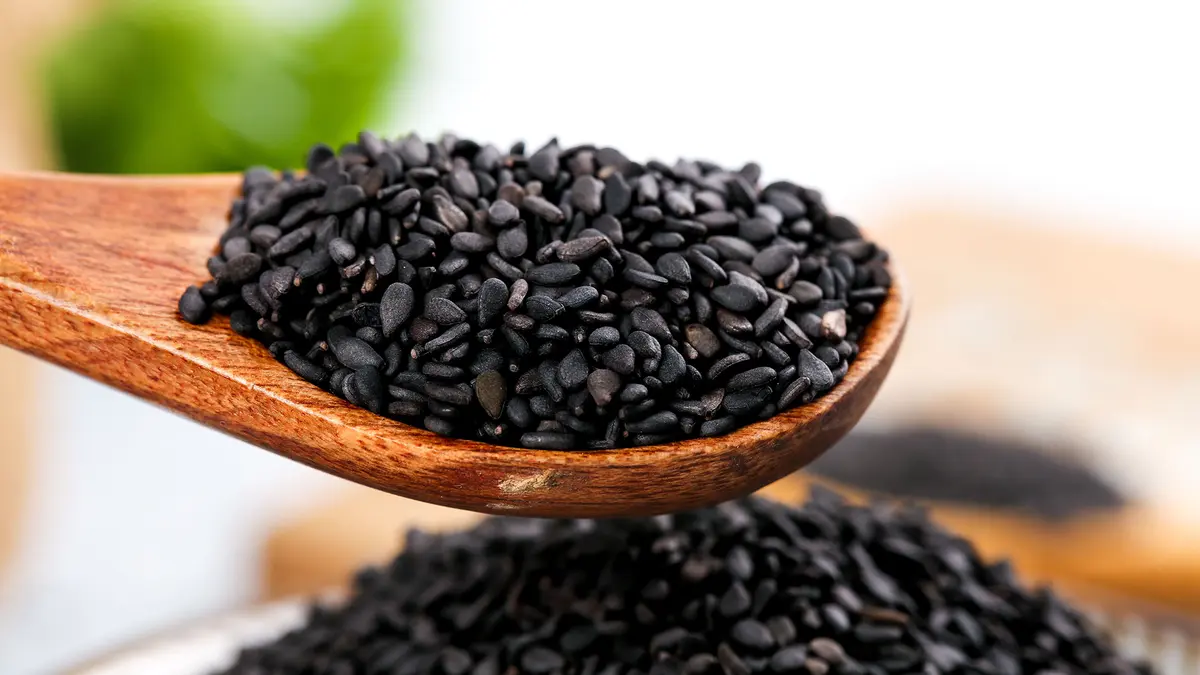
Tamil Nadu Agricultural University issued a pre-sowing price forecast for sesame farmers. It estimated ₹140–145 per kilogram for good-quality black sesame during harvest. The estimate used long-term prices from Sivagiri Regulated Market in Erode district. The university warned that monsoon performance and arrivals from other states could change prices.
How the forecast was prepared
The Domestic and Export Market Intelligence Cell prepared the forecast. It works within the university’s Centre for Agricultural and Rural Development Studies. The team analysed 25 years of historical sesame prices. Its reference market was Sivagiri in western Tamil Nadu.
The forecast applies specifically to good-quality black seed. It is not a guaranteed minimum price or procurement promise. Actual sale prices can vary by quality, moisture and local demand. Transport, timing and market arrivals also affect what farmers receive.
The university issued the note before farmers made sowing decisions. Such timing helps compare crops before expenses begin. A price range can support budgeting for seed, labour and irrigation. Farmers must still combine it with expected yield and production cost.
What sesame is
Sesame is an annual oilseed crop with the scientific name Sesamum indicum. It is also called gingelly or til in many Indian contexts. The small seeds develop inside capsules. Seed colour can be white, brown, red or black.
Brown and black seeds are widely used for oil extraction. White seeds have strong demand in confectionery and bakery products. Sesame oil is valued for food and several traditional uses. The remaining oilcake can be used as feed under suitable quality controls.
The crop tolerates dry periods better than many alternatives. It still needs adequate moisture for germination and establishment. Standing water can damage young plants. Small seed size also requires careful field preparation.
Production and regional geography
The official note placed India’s 2025–26 sesame area near 9.90 lakh hectares. It estimated production at about 3.66 lakh tonnes. Average productivity was 369 kilograms per hectare. These were second advance estimates and may later be revised.
Major producing states include West Bengal, Gujarat, Madhya Pradesh, Rajasthan and Uttar Pradesh. Tamil Nadu is another important producer. These regions cover humid eastern plains, semi-arid central areas and western drylands. Seasonal calendars therefore differ across the country.
Tamil Nadu produced about 0.34 lakh tonnes during 2024–25, according to the note. Important districts include Kallakurichi, Erode, Cuddalore and Tiruchirappalli. Thanjavur, Karur and Ariyalur also contribute. Local arrivals affect prices at the Sivagiri market.
Sivagiri lies in Erode district, within Tamil Nadu’s western agricultural zone. The wider region has irrigated and rainfed farming. Sesame sowing occurs in several local seasons across the state. This variety of calendars spreads arrivals through different months.
Why prices move
A good monsoon can raise area and production across several states. Larger arrivals may reduce harvest prices if demand grows more slowly. Weak rainfall can lower supply, but it may also reduce farm yields. A higher market price does not always produce higher income.
Export demand matters because India sells sesame to several overseas markets. Food-safety standards, residue limits and cleanliness affect that trade. Currency movements and global crops influence buyer decisions. Domestic festival and food demand also shape prices.
Quality creates a large difference within the same market. Buyers examine colour, purity, moisture and damaged seed. Careful drying and storage can improve sale value. Poor storage may erase any benefit from a favourable forecast.
Using the forecast responsibly
A farmer should estimate likely yield under local conditions. Multiplying yield by price gives expected gross revenue. Seed, labour, water, crop protection and transport must then be deducted. This comparison is more useful than price alone.
Farmers can also spread risk through crop choice and sowing time. They should follow district agronomic advice. Market intelligence cannot predict an extreme weather event. It also cannot guarantee the quality grade achieved after harvest.
Collective marketing can reduce small individual loads and improve bargaining. Farmer producer organisations may support cleaning, grading and storage. Regulated markets can improve price discovery when arrivals and bids are transparent. Prompt payment remains equally important.
A forecast is not an assured price
The ₹140–145 range applies to good-quality black sesame under expected harvest conditions. The university itself identified monsoon and interstate arrivals as uncertainties. Farmers should combine the estimate with local costs and yield prospects.
Conclusion
The TNAU forecast gives sesame growers a useful planning reference. Its long price series strengthens the estimate but cannot remove market risk. Quality, yield and cost will shape each farmer’s return. Local weather advice should guide the final sowing choice. Transparent markets and better post-harvest handling can improve the forecast’s practical value.