

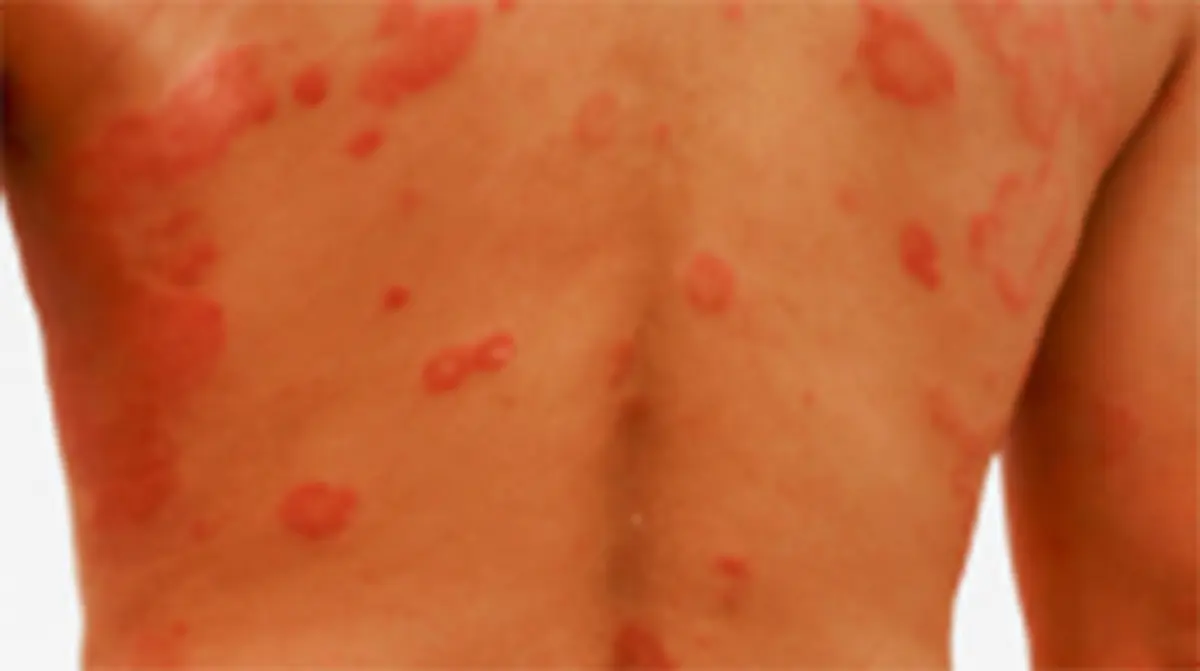
Why in news?
Researchers from Punjabi University (Patiala) and the Postgraduate Institute of Medical Education & Research (PGIMER), Chandigarh have developed an artificial‑intelligence tool to assist doctors in diagnosing rare autoimmune blistering diseases (AIBDs). They trained a computer model using thousands of clinical images and reported that the system outperformed dermatologists in identifying disease sub‑types. The tool could be particularly valuable in rural areas where specialists and expensive immuno‑fluorescence tests are unavailable.
Background
Autoimmune blistering diseases are a group of chronic skin disorders in which the body’s immune system mistakenly attacks proteins that hold skin layers together. This leads to fragile blisters on the skin and mucous membranes. AIBDs include conditions such as pemphigus vulgaris (painful blisters on the skin and mucous membranes), pemphigus foliaceus (superficial crusted lesions), paraneoplastic pemphigus (associated with cancers), IgA pemphigus, bullous pemphigoid (large tense blisters on the trunk and limbs), mucous membrane pemphigoid (affecting mouth and eyes), dermatitis herpetiformis (itchy clusters of blisters linked to coeliac disease) and pemphigoid gestationis (occurring during pregnancy). These diseases are rare but potentially life‑threatening because extensive blistering can lead to infections, fluid loss and malnutrition.
Challenges and how AI helps
- Difficult diagnosis: Symptoms of AIBDs often resemble more common skin conditions like eczema or hives, and correct diagnosis requires specialised tests (direct and indirect immuno‑fluorescence) that are available only in tertiary hospitals.
- AI training: The researchers compiled clinical photographs of confirmed AIBD cases and taught the model to recognise characteristic patterns of blisters, erosions and crusts. They then validated the model against patient data and found it could identify sub‑types more accurately than a panel of dermatologists.
- Potential benefits: A mobile‑based AI tool could help primary‑care doctors triage patients and start appropriate treatment while arranging referrals to specialists. It may also improve record‑keeping and generate large datasets to understand the epidemiology of these rare diseases.
- Management of AIBDs: Treatment usually involves systemic corticosteroids, immunosuppressants and biologic agents to reduce the autoimmune response. Early diagnosis is crucial to preventing complications such as widespread infection or scarring.
Conclusion
By combining dermatology expertise with artificial intelligence, researchers hope to transform the diagnosis of AIBDs. The tool is not a replacement for specialist care but a decision aid that can guide frontline health workers. Widespread adoption could improve survival and quality of life for patients who often wait years for a definitive diagnosis.