

Why in news?
In May 2026 an outbreak of the tick‑borne parasite Babesia killed eight Asiatic lions and left several more ailing in Gir National Park, Gujarat. The incident drew attention to babesiosis, a disease affecting both animals and humans, and highlighted the need for better tick control in wildlife habitats.
Background
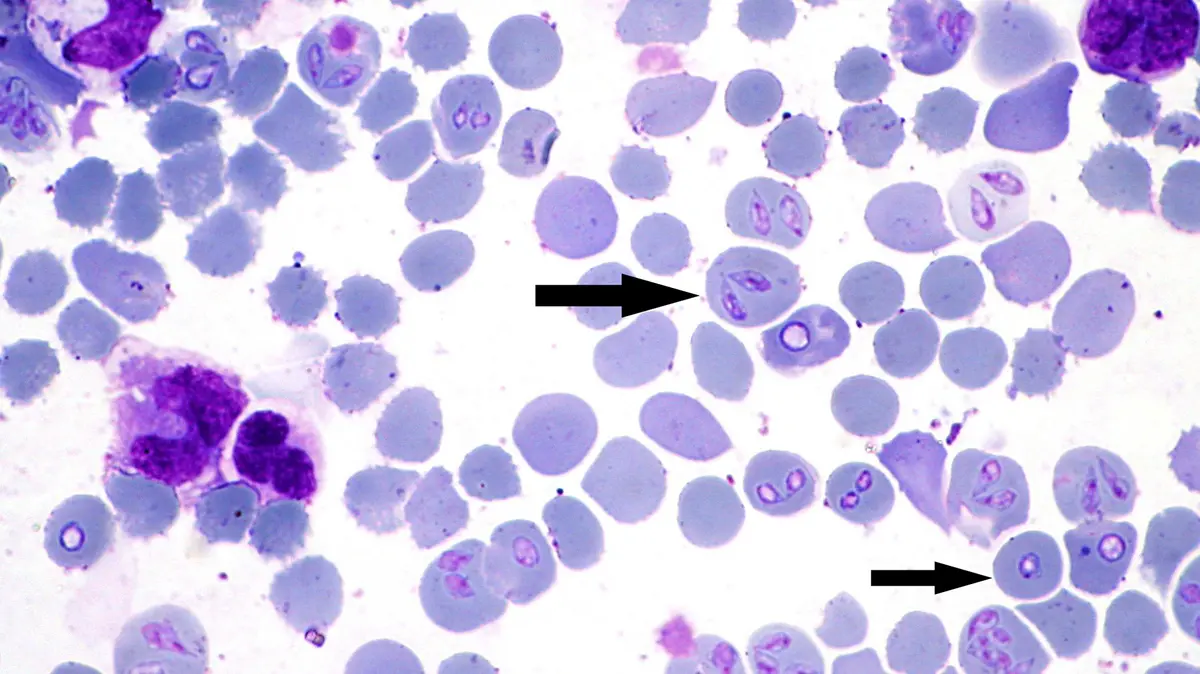
Babesia are microscopic parasites that infect red blood cells. They are transmitted primarily through bites from infected Ixodes ticks. In humans the disease, called babesiosis, is relatively rare and mainly occurs in temperate regions such as the northeastern and Midwestern United States; sporadic cases have also been reported in Europe and Asia. Symptoms range from mild flu‑like illness (fever, chills, fatigue, muscle aches) to severe complications such as haemolytic anaemia and organ failure. The risk of severe disease is higher in people with weakened immune systems, the elderly and those without a spleen. Babesiosis is not spread by casual contact between people; rare cases occur via blood transfusion or from mother to child during pregnancy.
Recent outbreak in Gir
According to local officials, a sudden surge of Babesia infection resulted in the deaths of eight lions in the Asiatic lion sanctuary between April and May 2026. Seventeen other lions developed fever, nasal discharge and lethargy but were treated and recovered. Experts say the parasites were likely transmitted by ticks that proliferated during unseasonal rains. A similar outbreak in Tanzania’s Serengeti in 1994 wiped out one‑third of the lion population when canine distemper virus was introduced via domestic dogs and the tick-borne parasite Babesia, acquired from buffalo, acted as a fatal co-infection. Veterinarians and forest staff have stepped up tick‑control measures and are monitoring livestock near the park to reduce cross‑infection.
Human babesiosis
- Transmission: Humans usually become infected through the bite of a blacklegged tick carrying Babesia. The same ticks can spread Lyme disease, so co‑infection is possible.
- Symptoms: Common signs include high fever, fatigue, chills and muscle aches. Some people remain asymptomatic. Severe cases may lead to haemoglobin breakdown, jaundice, kidney failure or respiratory distress.
- Prevention: Avoiding tick‑infested areas, wearing protective clothing, using repellents and promptly removing attached ticks reduce the risk. There is no vaccine; treatment usually involves a combination of anti‑protozoal and antibiotic drugs.
Conclusion
The Gir outbreak underscores how vector‑borne diseases can threaten wildlife and spill over to domestic animals or humans. Regular surveillance, tick control and public awareness are essential to prevent future outbreaks. Understanding babesiosis also helps veterinarians and clinicians diagnose and manage cases promptly.