

Why in news?
On 22 May 2026 a magnitude 6.0 earthquake struck Hawaii’s Big Island at 9:46 p.m. local time. The epicentre was near the village of Honaunau‑Napōpō along the island’s west coast. The quake was felt across the island, damaging homes and prompting an emergency declaration. Scientists quickly clarified that the event resulted from the bending of the Pacific Plate beneath the island and was not related to volcanic activity.
Background
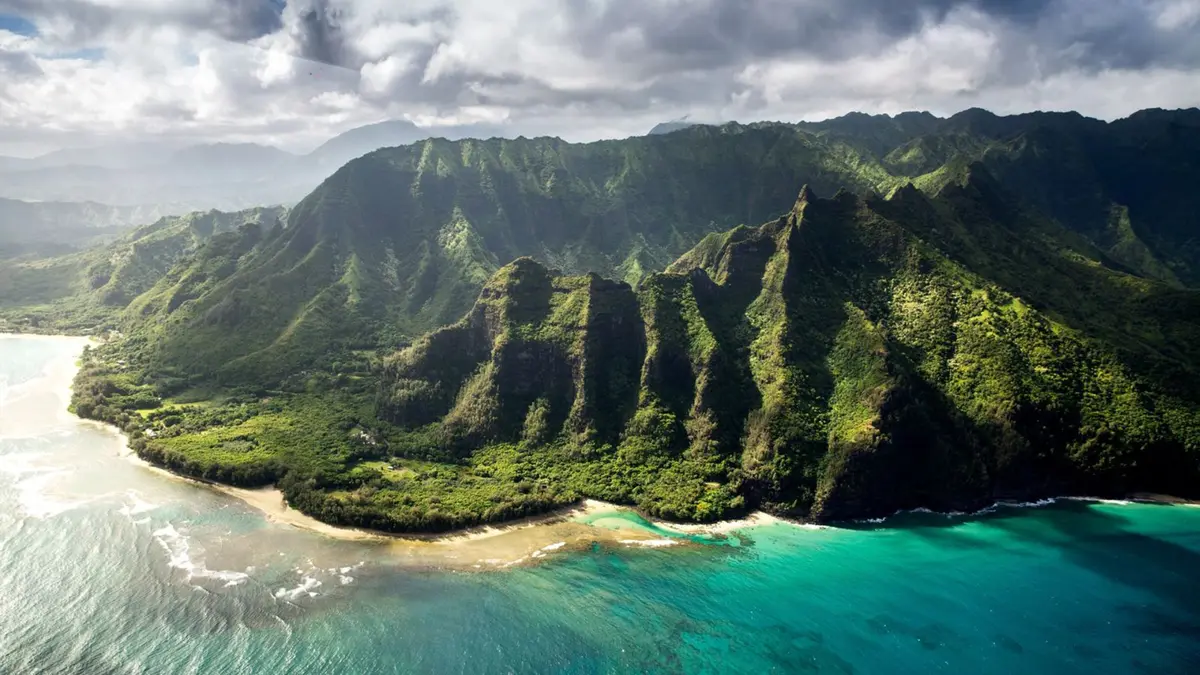
The island of Hawai‘i, often called the Big Island, is the largest in the Hawaiian chain with an area of about 4,028 square miles (10,432 km²). It is also the youngest island, formed by the eruptions of five shield volcanoes, three of which – Mauna Loa, Kīlauea and Hualālai – remain active. The island’s highest point is Mauna Kea, rising 13,796 feet (4,205 m) above sea level. The island’s population is concentrated in the towns of Hilo and Kailua‑Kona and the surrounding districts.
Details of the earthquake
- Cause: The U.S. Geological Survey (USGS) explained that the quake was a “lithospheric flexure” event. The enormous mass of the Big Island bends the underlying Pacific Plate downward, and occasionally the crust snaps, releasing energy.
- Depth and intensity: The quake occurred at a depth of about 22 km (14 mi) and produced strong shaking across the Kona region. More than 7,000 residents submitted “Did You Feel It?” reports to the USGS.
- Damage: Emergency services reported that at least eight homes were destroyed and over 80 properties sustained damage. No tsunami was generated, and major infrastructure like airports and highways remained intact.
- Response: Local authorities declared an emergency, opened shelters and dispatched engineers to inspect roads and bridges. Hawaii Volcano Observatory emphasised that the quake was unrelated to eruptions at Kīlauea or Mauna Loa.
Geographical significance
- Volcanic origin: The Big Island sits atop the Hawaiian hot spot, where magma rises from deep within Earth’s mantle. Successive eruptions built the island layer by layer. The hot spot remains active, giving rise to frequent earthquakes and occasional lava flows.
- Diverse ecosystems: The island contains nearly every climate zone, from tropical rainforests and coastal wetlands to alpine deserts on Mauna Kea. This diversity supports unique species and draws researchers and tourists.
- Hazards and preparedness: Residents live with volcanic and seismic risks. The earthquake reminds authorities to update building codes, maintain early warning systems and educate communities about emergency plans.
Conclusion
The May 2026 earthquake was a natural consequence of the Big Island’s weight bending the Pacific Plate. While damage was limited, the event underscores the need for resilient infrastructure and disaster preparedness in geologically active regions. Understanding the island’s formation and hazards helps residents and visitors respect both its beauty and its power.