

Why in news?
A report from Rohtak drew attention to adults whose celiac disease presented through symptoms beyond the digestive system. The Tribune’s 13 September 2026 account cited clinicians at the Post Graduate Institute of Medical Sciences and their experience over a decade. They described patients presenting with problems including anaemia, nerve-related symptoms and reproductive difficulties, rather than only diarrhoea or poor growth. Celiac disease is an autoimmune response to gluten that can damage the small intestine and impair nutrient absorption. Recognising its wider presentation can help clinicians investigate otherwise unexplained illness. The figures concern patients diagnosed at that institution, not national prevalence. These common symptoms also have other causes; they do not establish a celiac diagnosis.
What happens inside the small intestine?
Gluten is a group of proteins found in wheat, barley and rye. In people with celiac disease, eating gluten triggers an immune response that damages the small intestine. This is an autoimmune condition: the body’s protective system contributes to injury in its own tissues. The problem is not simply that a food feels difficult to digest.
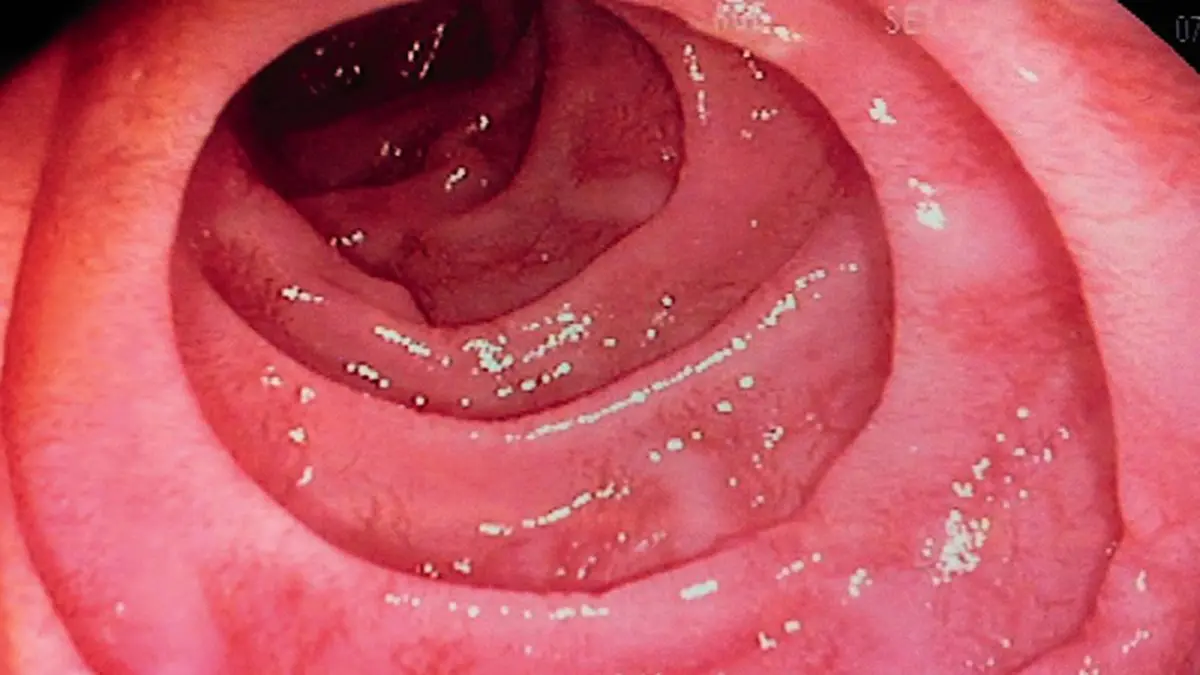
The intestinal lining normally provides a large surface for absorbing nutrients. Tiny finger-like projections called villi contribute to that surface. Damage can reduce effective absorption, helping explain why the consequences may extend beyond abdominal discomfort. A person may develop nutritional deficiencies even when bowel symptoms are not the complaint that first brings them to a doctor.
Celiac disease differs from wheat allergy and from non-celiac gluten sensitivity. Those conditions have different mechanisms and diagnostic considerations. Improvement after avoiding a food does not, by itself, distinguish among them. The National Institute of Diabetes and Digestive and Kidney Diseases therefore describes diagnosis as a clinical and laboratory process.
What the Rohtak experience shows
The newspaper quoted gastroenterologist Parveen Malhotra describing more than 1,100 diagnosed patients over a decade. About 540 were adults or older people, and around 330 reportedly had atypical presentations. These figures refer to the clinical experience being reported. They do not establish what proportion of the surrounding population has the disease.
The distinction matters because a specialist institution does not receive a random sample of the public. Referral patterns, awareness and access to testing influence who is seen and diagnosed. An increase in recorded adult cases could partly reflect better recognition. It cannot automatically be read as a measured increase in the population’s underlying disease rate.
The report also challenges a common misconception that celiac disease is only a childhood condition. Symptoms can become apparent at different ages, and some people remain undiagnosed for years. Adult diagnosis does not mean the disorder has suddenly become a new adult disease; it may reveal a condition that had previously gone unrecognised.
Why symptoms outside the gut can matter
Iron-deficiency anaemia is one possible presentation. Reduced absorption can contribute to an inadequate supply of nutrients needed for normal bodily functions. Medical guidance also recognises neurological symptoms, bone problems and reproductive difficulties among possible associated features. The range of manifestations explains why a narrow focus on diarrhoea can miss some patients.
These symptoms are nevertheless non-specific. Anaemia, fatigue or infertility can have many causes, and their presence alone cannot identify celiac disease. A clinician considers the pattern, medical and family history, examination and appropriate tests. The Rohtak account supports broader clinical awareness, not blanket diagnosis from a symptom list.
Why testing should come before an unplanned diet change
Doctors commonly use blood tests for relevant antibodies and, when appropriate, small-intestinal biopsies to diagnose celiac disease. A biopsy examines a small tissue sample for characteristic damage. The choice and interpretation of tests depend on the patient, so a single result should be understood within the clinical assessment.
Starting a gluten-free diet before testing can make diagnosis harder. Removing gluten may reduce the changes that blood tests or biopsies are meant to detect. Official guidance therefore advises discussing testing with a clinician before making that change. Someone already avoiding gluten should explain this to the clinician rather than independently restarting it.
Genetic susceptibility is another part of the picture, but it is not a diagnosis. Many people who carry associated genetic variants do not develop celiac disease. Genetic testing may help in selected situations, especially when the diagnosis is uncertain. It does not replace the assessment of symptoms, immune markers and intestinal findings.
Long-term treatment is more than removing wheat
For confirmed celiac disease, treatment centres on a lifelong gluten-free diet, supported by appropriate follow-up. Barley and rye matter alongside wheat, and ingredients in processed foods need attention. Cross-contact during storage, preparation or serving can also introduce gluten. A dietitian can help make the diet both safe and nutritionally adequate.
Naturally gluten-free foods include rice, potatoes and many pulses, but preparation and added ingredients still matter. Treatment may also involve correcting deficiencies and checking recovery. Gluten-free packaged food is not automatically nutritious, and such a diet is not a universal health requirement for people without a relevant diagnosis.
Conclusion
The Rohtak report’s value lies in widening recognition of a treatable condition that can present in unexpected ways. The sound response is a proper diagnostic pathway, not self-diagnosis or an immediate restrictive diet. For confirmed patients, sustained dietary support and follow-up connect recognition with recovery and better long-term health.