

Why in news?
India’s crop research agencies have identified for release two rice varieties, DRR Dhan 92 and CR Dhan 217, specifically bred for direct‑seeded cultivation. The varieties were identified for release in May 2026 (pending formal Government of India notification) and aim to support farmers adopting water‑saving technologies in rice fields.
Background
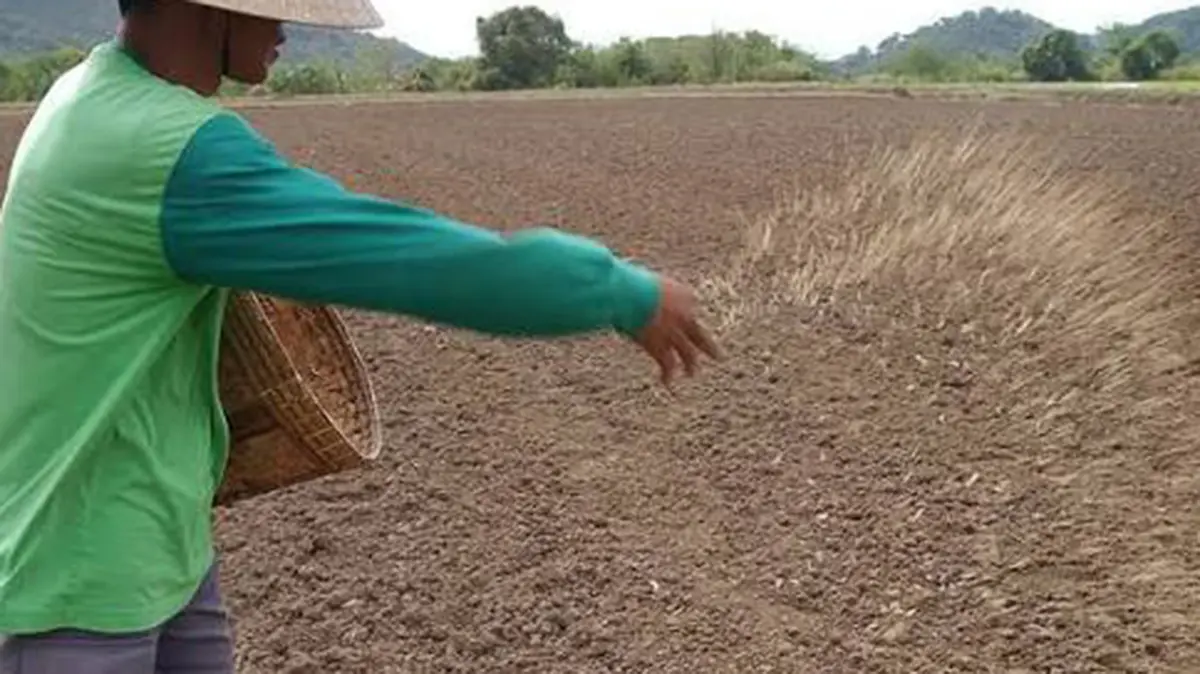
Traditional rice cultivation involves transplanting seedlings into flooded paddies. This method demands large quantities of water and labour and emits methane. Direct‑seeded rice (DSR) refers to broadcasting or drilling seeds directly into the soil with minimal flooding. DSR can reduce water use by twenty to thirty per cent and lower greenhouse gas emissions but requires varieties that compete with weeds and tolerate early‑season stress.
Key developments
- DRR Dhan 92: Developed by the Indian Institute of Rice Research, this variety yields about 5.8 tonnes per hectare under direct‑seeded conditions, eighteen per cent more than popular checks. It matures in about 135 days and is targeted for the rain‑fed uplands of northeastern India.
- CR Dhan 217: Developed by the National Rice Research Institute and the International Rice Research Institute, this variety yields around 5.9 tonnes per hectare and up to 8.7 tonnes under favourable conditions. It matures in 118 days and is suitable for eastern and central India.
- Both varieties carry genes for early vigour, sturdy stems and tolerance to drought, weeds and lodging. They also resist major pests and diseases.
- Adoption of DSR can reduce labour costs, save irrigation water and decrease methane emissions, contributing to climate‑smart agriculture.
- International agencies and India’s Ministry of Agriculture are promoting DSR under projects such as the GEF‑7 Food Systems, Land‑Use and Restoration (FOLUR) programme in Punjab.
Conclusion
New DSR‑specific varieties like DRR Dhan 92 and CR Dhan 217 may make direct‑seeded rice a practical option for many farmers. Wider adoption could conserve water and reduce emissions, but success will depend on weed management support, extension services and assured procurement prices.