

Why in news?
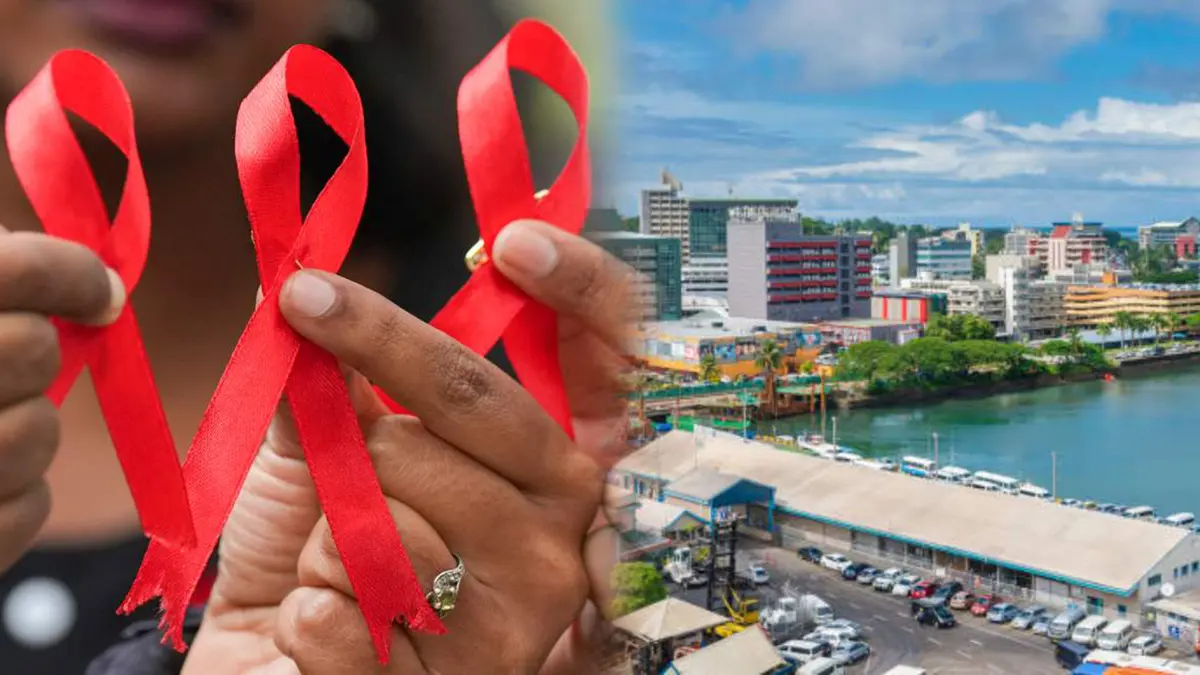
Fiji has declared HIV a national crisis, escalating its response to rising infections and serious treatment gaps. Human immunodeficiency virus (HIV) weakens immune defences and can lead to acquired immunodeficiency syndrome (AIDS). On 16 September, the Joint United Nations Programme on HIV/AIDS (UNAIDS) welcomed the decision and the government's proposed response. The measures include wider testing, treatment and prevention, alongside action against stigma. This goes beyond the outbreak declaration made in January 2025. Coordination now extends across government rather than resting mainly with health services. The central problem is not simply identifying more infections. People must also receive reliable care, while prevention reaches those whom existing services have missed.
A health crisis across an island country
Fiji is an island country in the South Pacific, without land borders. Its two largest islands are Viti Levu and Vanua Levu. Suva, the capital, lies on Viti Levu's south-eastern coast. Vanua Levu lies to the north-east. This dispersed geography matters to public services: reaching a clinic, collecting medicines and transporting samples can involve travel between islands.
The earlier outbreak declaration followed a sharp increase in newly diagnosed cases during 2024. An outbreak response identifies an unusual rise and mobilises health action. The September escalation signals that health services alone cannot remove every obstacle. Laws, education, community outreach, medicine supply and public attitudes can all influence whether people receive prevention and remain in treatment.
What the numbers actually measure
UNAIDS estimated that 9,100 people were living with HIV in Fiji in 2025. Only 39% knew their status, while 22% of the estimated total accessed antiretroviral treatment. These are population-level estimates, including people not yet diagnosed. They should not be confused with the number of positive tests recorded by clinics or infections acquired during one year.
The Ministry of Health's national report recorded 2,016 new diagnoses during 2025, compared with 1,583 in 2024. A diagnosis establishes when an infection was detected, not necessarily when it began. The report links the increase both to continuing transmission and to expanded testing. Better case-finding can therefore increase recorded diagnoses even while helping authorities bring the epidemic under control.
The same report shows why denominators matter. It counted 1,979 people receiving treatment among 3,535 reported people living with HIV: about 56%. That is different from UNAIDS' 22%, which uses the larger estimated population, including undiagnosed people. The figures describe different stages of the same challenge. They are not evidence that one organisation counted the treatment programme three times larger.
Understanding infection, illness and treatment
HIV attacks the immune system. Acquired immunodeficiency syndrome (AIDS) is the most advanced stage of the infection, not another name for every HIV diagnosis. Antiretroviral therapy suppresses the virus and helps preserve immune function. It does not currently cure the infection, but effective treatment allows people to live long, healthy lives. Early diagnosis is valuable because care can begin before serious immune damage develops.
Transmission can occur through infected blood, certain sexual fluids and breast milk, including during pregnancy, birth or breastfeeding. HIV does not spread through ordinary social contact, shared meals or hugging. People receiving effective treatment who maintain an undetectable viral load do not sexually transmit HIV. This makes sustained treatment both an individual health benefit and a central part of prevention.
Why prevention needs several routes
Sexual transmission and unsafe injecting practices both feature in Fiji's epidemic. A response centred on only one route would miss people at risk through others. Pre-exposure prophylaxis means medicine taken by people without HIV to reduce their chance of acquiring it. It complements testing, condoms and other prevention measures; it is not a substitute for treatment after infection.
The government has announced expanded prevention access, including long-acting options, and plans for a needle and syringe programme. UNAIDS says legislative amendments are expected before Parliament. These are announced measures, not proof that every proposed service is already available everywhere. Supplying sterile injecting equipment aims to prevent blood-borne transmission, while community organisations can help connect people with care without judgement.
From declaration to dependable care
The practical test will be whether a positive test leads promptly to treatment and continued support. Confidential services and dependable medicine supplies are essential. A person who fears exposure or discrimination may avoid a clinic even when treatment is free. Outreach therefore has to build trust, not merely distribute information. Programme monitoring should distinguish testing, treatment enrolment, continued care and successful suppression of the virus.
Conclusion
Fiji's declaration recognises a widening gap between the epidemic and the reach of existing services. Its significance lies in the opportunity to connect prevention, diagnosis and long-term care across government and communities. More recorded diagnoses alone cannot show whether the response is succeeding. Earlier detection, sustained treatment and fewer new infections together provide a more meaningful picture of progress.