

Why in news?
The World Health Organization (WHO) released its Global Hepatitis Report 2026 in April, revealing that viral hepatitis caused about 1.3 million deaths worldwide in 2024. The report warns that without rapid improvements in vaccination, testing and treatment, the goal of reducing hepatitis deaths by 65 % by 2030 will not be achieved. India is among the countries with the highest number of hepatitis‑related deaths.
Understanding hepatitis
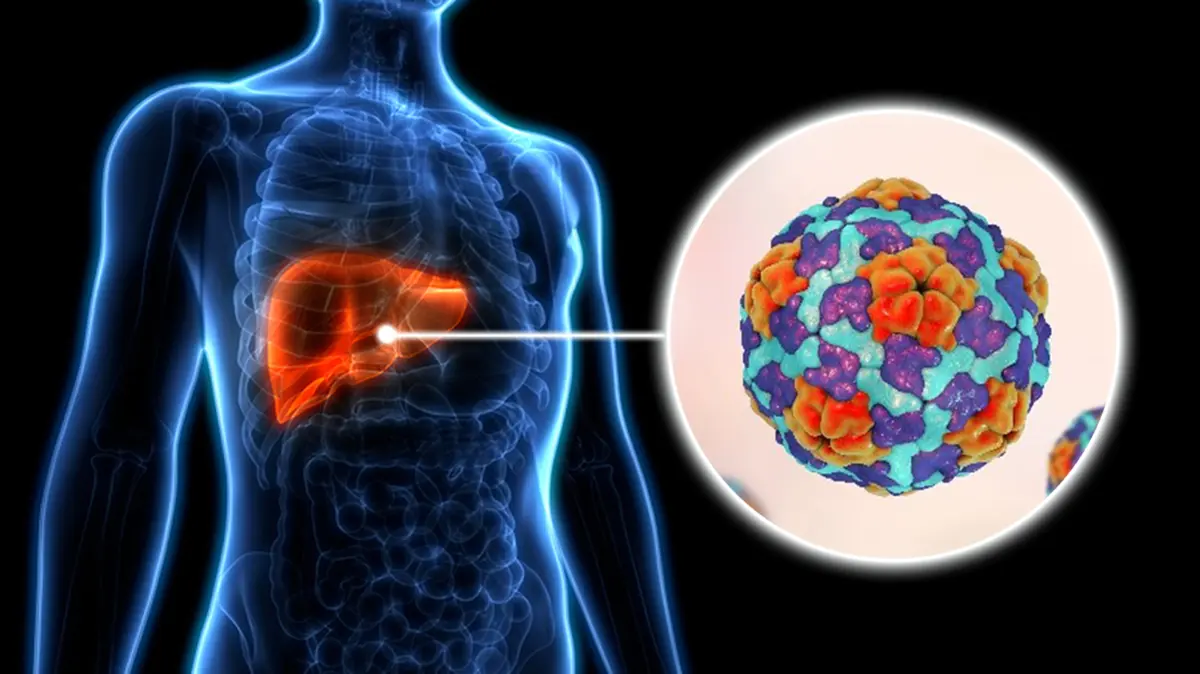
Hepatitis refers to inflammation of the liver. It can be caused by viruses, autoimmune disorders, toxins (including alcohol), medications or metabolic diseases. Five main viruses — types A, B, C, D and E — account for most infections:
- Hepatitis A (HAV) and E (HEV): Spread mainly through ingestion of contaminated food or water. Infections are usually acute and most people recover completely. Vaccines exist for HAV and HEV, but HEV vaccines are not widely available.
- Hepatitis B (HBV): Transmitted through exposure to infected blood, semen and other body fluids. It can pass from mother to child at birth or through early childhood contact. Chronic HBV infection can lead to cirrhosis and liver cancer. A safe and effective vaccine prevents infection.
- Hepatitis C (HCV): Spread mostly through contaminated blood, unsafe injections and, less commonly, sexual contact. There is no vaccine, but direct‑acting antiviral drugs can cure more than 95 % of infections.
- Hepatitis D (HDV): Occurs only in people who already have HBV. Co‑infection can result in more severe disease. HBV vaccination protects against HDV.
Symptoms of acute hepatitis may include jaundice (yellowing of the skin and eyes), dark urine, extreme fatigue, nausea and abdominal pain. However, many people with HBV or HCV remain asymptomatic for years while the infection quietly damages the liver.
Findings from the Global Hepatitis Report 2026
- Prevalence: About 240 million people were living with chronic HBV in 2024 (≈2.9 % of the world’s population), and 47 million were living with chronic HCV (≈0.6 %).
- Mortality: Viral hepatitis caused an estimated 1.3 million deaths in 2024. HBV accounted for roughly 1.1 million of these deaths — a 17 % increase since 2015 — while HCV caused about 240,000 deaths, a 12 % decrease since 2015.
- Distribution of deaths: Ten countries contribute to 69 % of HBV deaths and 58 % of HCV deaths. Many of these countries, including India, also have low treatment coverage.
- Treatment gap: Less than 5 % of people with chronic HBV received treatment in 2024 despite about half being eligible under WHO guidelines. Only about 20 % of people diagnosed with HCV have started therapy since 2015.
- Children still at risk: HBV prevalence among children under five years was 0.6 % in 2024 — down from 0.8 % in 2015 but still far above the 2030 target of 0.1 %. Birth‑dose vaccination coverage remains especially low in the African region.
- Priorities: WHO urges scaling up HBV and HCV treatment, expanding birth‑dose vaccination, increasing antiviral prophylaxis for mothers with HBV and improving harm‑reduction services for people who inject drugs.
Significance for India
India has one of the world’s highest burdens of viral hepatitis. Poor awareness, limited screening and low treatment uptake contribute to high mortality. Strengthening immunisation programmes, making direct‑acting antivirals affordable and integrating hepatitis services into primary health care are crucial steps towards meeting the 2030 elimination targets.