

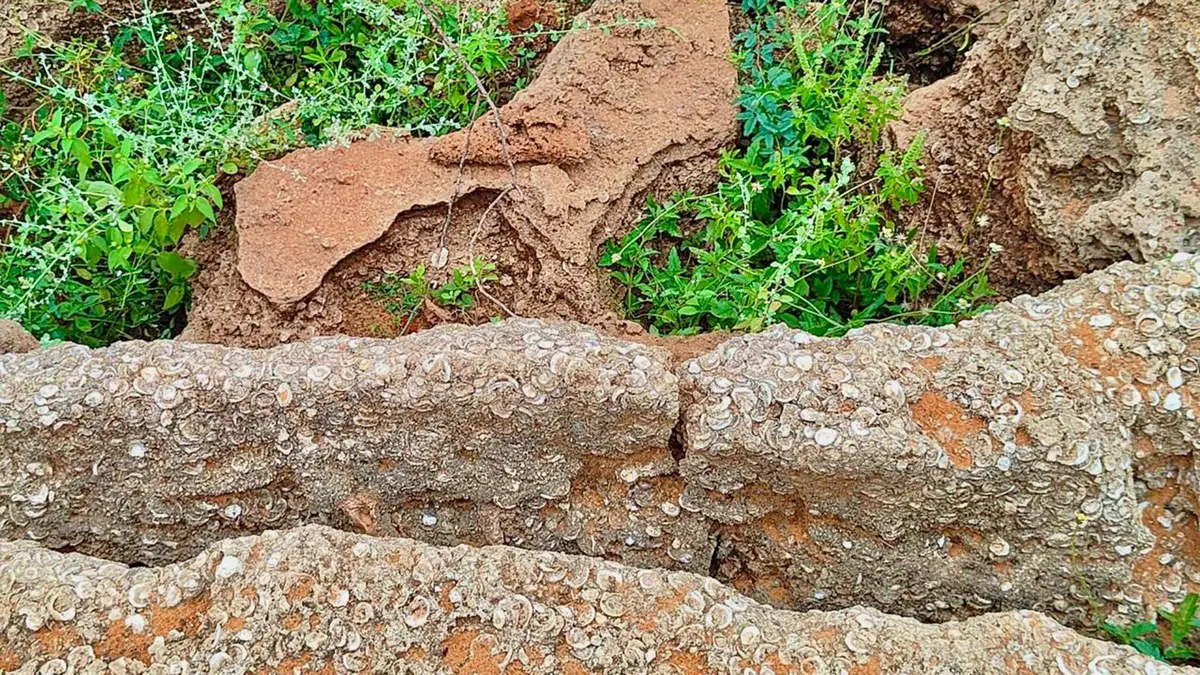
Why in news?
A fossil bed dating back to the Holocene epoch has been discovered in Thoothukudi district of Tamil Nadu. Union Environment Minister Bhupender Yadav said that the find enriches India’s Quaternary fossil record and will help scientists understand ancient wildlife, environments and climate. The fossils were exposed after heavy rains in 2023 and were surveyed by the Zoological Survey of India at the request of local authorities.
What is the Holocene?
The Holocene is the current epoch in the geologic timescale. It began about 11,700 years ago, marking the end of the last ice age (the Pleistocene). During the early Holocene the climate warmed rapidly, ice sheets retreated and sea levels rose by around 35 metres. Since then, the climate has been relatively stable compared with the fluctuations of the ice ages.
Key characteristics
- Rise of civilisation: Stable climate conditions allowed humans to develop agriculture, domesticate animals and build complex societies. All recorded history, from the first cities to modern times, occurred during the Holocene.
- Human impact: Because humans have become a dominant force, some scientists propose calling the most recent part of the Holocene the “Anthropocene.”
- Geologic record: Holocene sediments cover more of the Earth’s surface than those of any earlier epoch because they include modern river deltas, coastal plains and lake beds.
Significance of the discovery
- Scientific value: The fossil bed will help reconstruct the region’s past environment, wildlife and climate. Such findings provide clues about how ecosystems responded to climate change after the ice age.
- Public awareness: Discoveries like this bring attention to India’s rich fossil heritage and highlight the importance of protecting fossil sites from vandalism and illegal collection.
Conclusion
The discovery of a Holocene fossil bed in Tamil Nadu offers a window into the recent geological past. Continued research and conservation will shed light on how life and climate evolved in the region after the last ice age.
Source: News On AIR