

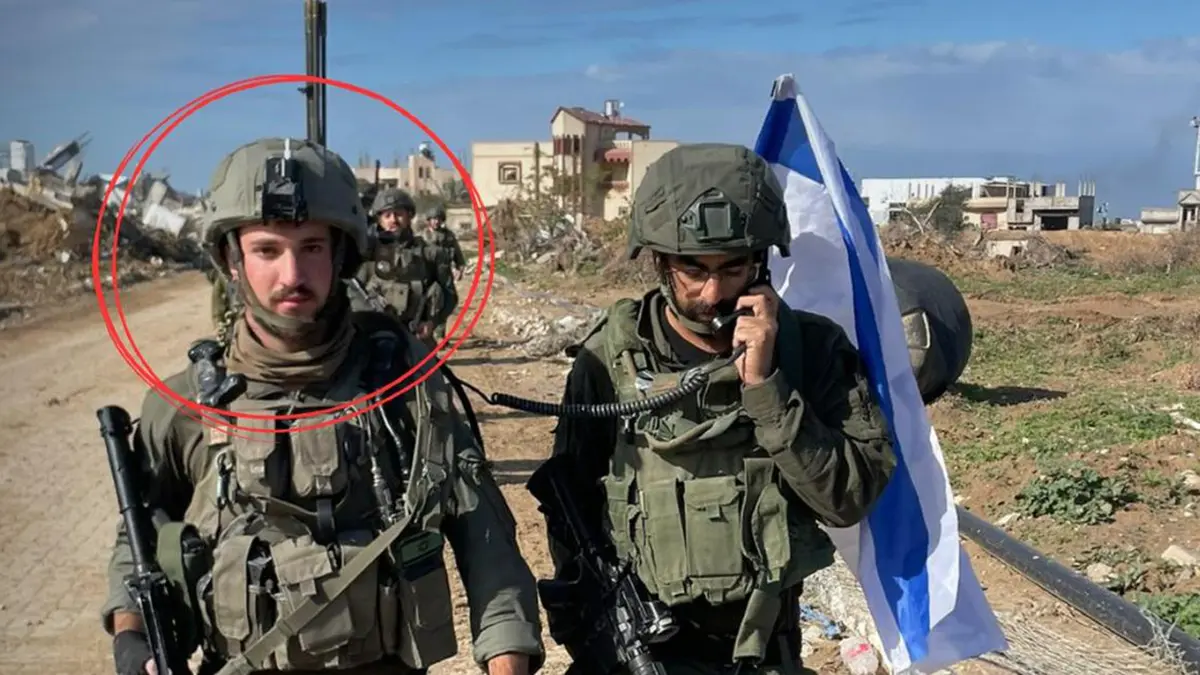
Why in news?
The Hind Rajab Foundation filed a complaint with Indian authorities. It accused Israeli reservist Eitan Gilboa of war crimes in Gaza. The organisation located him in parts of Himachal Pradesh, and the case revived discussion about the informal “Hummus Trail.”
Background
The Hummus Trail is an informal tourism expression, and it describes Indian destinations popular among Israeli backpackers. It is not a notified route or government tourism circuit.
The name refers to hummus, a familiar food for many Israeli travellers. Cafés along the circuit often serve Israeli or Middle Eastern dishes. Hebrew signs and menus are also common in some places.
Many young Israelis take a long foreign trip after military service. The journey is commonly called Tiul Gadol, meaning “big trip” in Hebrew. India and parts of Asia are frequent destinations.
Is there a fixed route?
No single map defines the Hummus Trail, and it is better understood as a network of backpacker centres. Travellers may visit only a few of them.
- The northern network includes Leh, Kasol, Tosh, Dharamkot, Manali and Parvati Valley villages.
- Other important centres include Pushkar, Varanasi, Mathura and Vrindavan.
- The southern network includes Goa, Gokarna, Hampi and Vattakanal near Kodaikanal.
The list changes with travel trends and local restrictions, so statements about a fixed starting point are misleading. The term describes a pattern, not one continuous road.
How tourism changes these places
- Guesthouses may offer Hebrew-language services; cafés may provide familiar food for long-stay travellers.
- Chabad centres provide Jewish religious and community services; local businesses may adapt music, menus and accommodation.
- Seasonal tourism creates jobs but can also strain small settlements.
News reports often cite tens of thousands of Israeli visitors. Annual numbers vary with conflict, visas and travel conditions. A precise figure should therefore carry a year and official source.
What was the complaint about?
The Hind Rajab Foundation is a Brussels-based advocacy organisation. On 30 May 2026, it contacted Indian police, central authorities and the Bureau of Immigration.
The organisation alleged that Gilboa participated in demolitions in Gaza. It argued that these actions amounted to grave international crimes. It requested his arrest while he was reportedly in Himachal Pradesh.
These remain allegations made by the organisation, and filing a complaint does not establish criminal guilt. No Indian judicial finding was cited in the available public material.
Why is the legal issue complicated?
War crimes are governed by international humanitarian law, and domestic prosecution still requires a valid legal basis and evidence. Jurisdiction may depend on nationality, territory and specific Indian statutes.
The Foundation relied partly on India’s Geneva Conventions Act, 1960. Its universal-jurisdiction argument has not been tested in this case, and extradition and immigration rules may create additional questions.
Conclusion
The Hummus Trail reflects a distinct form of post-service backpacking. The recent complaint placed this tourism pattern within a legal debate. Allegations and proven findings must always remain clearly separated.