

Why in news?
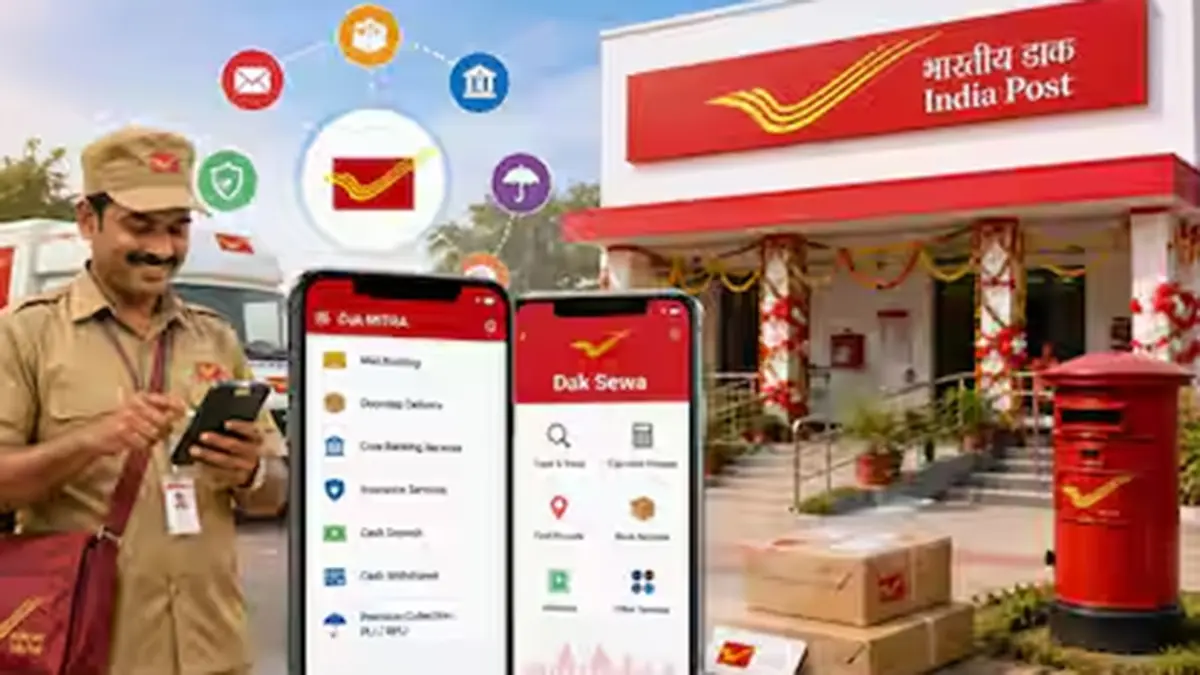
India Post launched upgraded versions of Dak MITRA and Dak Sewa on 24 August. Communications Minister Jyotiraditya M. Scindia and Minister of State Chandra Sekhar Pemmasani led the event. They also inaugurated fourteen renovated post offices across eight postal circles. Kandivali West Post Office in Mumbai was presented as a future-ready public-service hub.
Two applications for different users
Dak MITRA is an internal work platform for postal staff. Its main users include Gramin Dak Sevaks in rural branch post offices. The upgraded system brings several transactions into one interface. These range from booking postal articles to Post Office Savings Bank services.
Dak Sewa is the public-facing application. It gives customers access to several postal services on one platform. The upgraded app is available in 23 Indian languages. India Post reported more than ten lakh downloads by the launch date.
Why the internal platform matters
A branch worker often handles mail, savings and government-linked services. Separate systems increase training and transaction time. A consolidated platform can reduce repeated data entry. It can also produce a clearer record of each service.
Digital consolidation creates new responsibilities. Staff need reliable devices, connectivity and practical training. The system must preserve service during network failure. A help process is necessary when a transaction remains incomplete.
India Post’s geographic reach
India Post has more than 1.5 lakh post offices. Rural offices form the majority of this network. They connect remote settlements with mail, small savings and other public services. This physical reach gives postal technology unusual last-mile importance.
Digital access is uneven across India. Some users lack smartphones, strong networks or confidence with applications. A public app should therefore add convenience without closing the counter. Assisted and offline channels remain essential for inclusive service.
Jan Sewa Connect
The renovated offices form part of Jan Sewa Connect. India Post describes it as an infrastructure-modernisation initiative. It seeks accessible, customer-centred and technology-enabled post offices. The School of Planning and Architecture, New Delhi, supports the design work.
Renovation can improve counters, waiting areas and digital integration. Clear signs and accessible layouts matter as much as new interiors. A future-ready office should serve older persons and people with disabilities. Staff workflow should also become safer and simpler.
Public-service opportunities
One application can simplify tracking, service discovery and basic requests. Language choice can help first-time digital users. Notifications can reduce unnecessary trips to a post office. Accurate status information also improves trust.
The internal and public systems can work together. A customer request should move cleanly into the staff workflow. Shared records can reduce disputes over booking and delivery. This requires consistent data across the application and counter systems.
Privacy, security and accountability
Postal transactions can include addresses, identity details and financial information. Access must follow a clear role and purpose. Strong authentication is necessary for staff accounts. Logs should identify unusual changes without exposing customers unnecessarily.
Customers need a visible grievance route inside and outside the app. A failed digital payment should not become an unresolved loss. Service standards should cover response time and refund handling. Independent security testing is also necessary before major updates.
Measuring real improvement
Download numbers show reach, but not service quality. India Post should measure successful transactions and failure rates. It should track rural use, language use and complaint resolution. Accessibility testing should include people with different disabilities.
Office modernisation needs similar evidence. Shorter queues and faster service are better indicators than appearance alone. User feedback can reveal confusing steps. Public reporting would allow future expansion to follow actual need.
Digital does not mean app-only
India Post serves people with very different devices, literacy and connectivity. The strongest model combines a useful app, trained staff, local counters and a dependable grievance system.
Conclusion
The upgraded applications join India Post’s physical reach with a more unified digital service. Dak MITRA can simplify staff work, while Dak Sewa can reduce customer effort. Their success will depend on reliability, privacy and language quality. Renovated offices must remain accessible to people who need human help. Modernisation is meaningful when every channel produces a clear and accountable service.