

Why in news?
The Kerala High Court allowed a 49-year-old breast-cancer patient to join an ongoing public-interest case on 21 August 2026. She is receiving ribociclib and raised its high cost before the court. The original petitioner died while the 2022 case remained pending, after which the court continued it on its own motion. The proceeding concerns access to patented breast-cancer medicines and was listed for final consideration on 3 September.
What ribociclib is
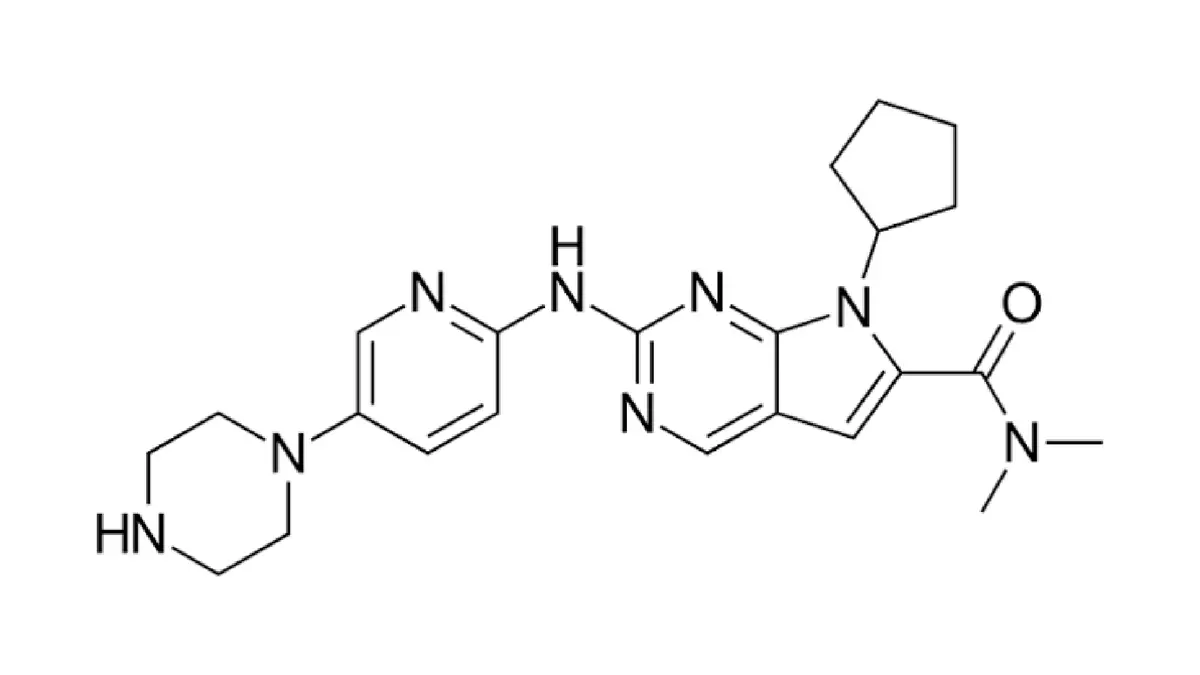
Ribociclib is a targeted cancer medicine and a cyclin-dependent kinase 4 and 6 inhibitor. These enzymes help cells move through the division cycle. Blocking them can slow tumour-cell growth. The medicine is usually combined with endocrine therapy rather than given alone.
Its main use concerns hormone receptor-positive, human epidermal growth factor receptor 2-negative breast cancer. This subtype depends partly on hormonal signals. Regulatory approvals cover several advanced or metastatic settings. Some countries also approve it after surgery for selected high-risk early disease.
Why clinical supervision matters
Ribociclib is not interchangeable through simple price comparison. Treatment depends on disease stage, earlier therapy, menopause status and other clinical factors. Doctors also consider tumour biology and patient preference. One medicine in the same class may not produce identical outcomes in every setting.
The drug can reduce white blood cells and affect liver function. It may also prolong the heart’s QT interval. Patients require blood counts, liver tests and heart monitoring. Interactions with other medicines can alter exposure. Treatment decisions therefore belong with an oncologist.
How the case developed
A breast-cancer patient filed the original petition in 2022. She sought government action to make ribociclib more affordable. Her death did not end the wider public issue. The High Court converted the matter into a case on exorbitant pricing of life-saving patented medicines.
The court later added national cancer institutions and the Drugs Controller General of India. It sought expert views on whether cheaper palbociclib could substitute ribociclib or abemaciclib. The drug regulator’s affidavit reportedly left patient-level interchangeability to the treating oncologist. The new patient’s participation brings direct lived evidence back into the proceeding.
A pending question, not a decided substitution
Palbociclib, ribociclib and abemaciclib inhibit the same broad enzyme class. Their approved uses, trial evidence, dosing and safety profiles still differ. The court has not declared them universally interchangeable. Expert evidence must address the exact clinical setting rather than only molecular similarity.
This distinction matters for both affordability and safety. A cheaper option helps only when it remains medically appropriate. An expensive medicine also needs a credible access route. The legal process must therefore examine clinical evidence, price and public-health responsibility together.
Patent law and public health
Section 83 of the Patents Act, 1970 states important working principles. Patents should support innovation and public welfare. Their benefits should remain available at reasonably affordable prices. Patent rights do not prevent the Central Government from protecting public health.
Section 92 permits special compulsory licensing after a government notification. Its grounds include national emergency, extreme urgency and public non-commercial use. Section 100 permits government use of an invention under stated conditions. These powers have procedures, compensation rules and legal thresholds.
Why access remains difficult
Targeted cancer medicines can require treatment over many months or years. Even a moderate monthly charge becomes a large household burden. Travel, tests and loss of earnings add further costs. Insurance coverage and public procurement remain uneven across places and facilities.
Patent protection can reward expensive research and support future medicines. It can also delay lower-priced generic competition. Public policy must balance these interests without treating patients as an afterthought. Negotiated prices, pooled procurement and patient support can operate alongside legal safeguards.
What the court can clarify
The case can require clear evidence from regulators, cancer centres and manufacturers. It can examine actual prices, eligible patient numbers and procurement routes. It may also clarify the legal duty to consider statutory safeguards. Any direction must remain workable across public and private treatment systems.
Transparency will be important. Claims about comparative effectiveness should disclose their evidence and population. Price data should distinguish list prices from negotiated costs. Patient voices can show real barriers that technical affidavits overlook. Timely decisions matter because treatment cannot wait indefinitely.
The High Court has not ordered a final remedy
The 21 August order allowed a patient to join the pending case. It did not grant a compulsory licence or declare another medicine equivalent. The final legal and clinical questions remain open.
Conclusion
The case places medicine affordability beside clinical safety and patent policy. No single comparison can resolve those concerns. Courts need strong expert evidence, while governments need workable access mechanisms. Manufacturers should provide transparent prices and support predictable procurement. A sound outcome will preserve individual treatment choice while reducing the financial barriers surrounding essential cancer care.