

Geography

Lake Baikal: Geography, Biodiversity & Conservation Status

Lake Baikal: Geography, Biodiversity & Conservation Status

Why in news?

Lake Baikal often appears in discussions about superlative geographical features and environmental conservation. With remarkable statistics and unique biodiversity, it remains a favourite topic for exams and general knowledge.

Background

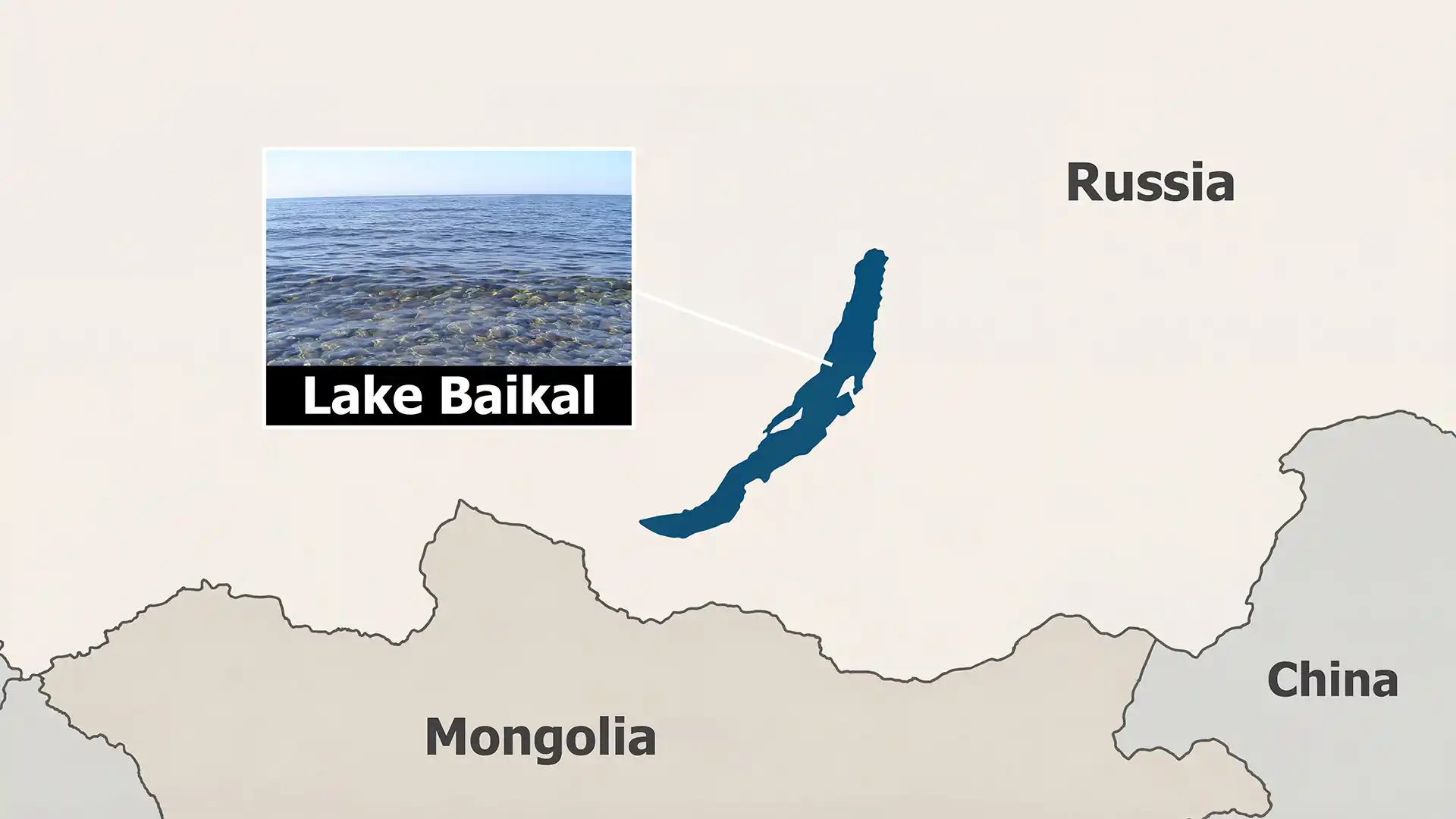
Located in south‑eastern Siberia, Lake Baikal occupies about 3.15 million hectares (31,500 square kilometres). It formed as a rift valley roughly 25 million years ago, making it the oldest existing freshwater lake. The lake reaches a depth of about 1,642 metres, which makes it the world’s deepest. Despite its modest surface area, it contains roughly 20 percent of the planet’s unfrozen fresh water (about 23,000 cubic kilometres). Because of its age and isolation, more than 1,000 plant and animal species found here occur nowhere else, including the freshwater Baikal seal.

Significance

  • Ecological value: The lake’s unique fauna provides scientists with insights into evolution and adaptation. Its nicknames, “Galápagos of Russia” and “Pearl of Siberia,” reflect this richness.
  • UNESCO status: Lake Baikal was inscribed as a UNESCO World Heritage site in 1996 under natural criteria emphasising its exceptional beauty, geological history and biodiversity.
  • Environmental pressures: Industrial pollution, tourism and climate change threaten the lake’s ecosystem. Conservation laws and protected areas around the shoreline seek to limit these impacts.

Conclusion

Lake Baikal stands out for its age, depth and volume. Protecting this natural wonder is vital not only for Russia but for global freshwater heritage.

Sources

Reuters

Prelims MCQ Practice

Evaluate Your Retention

Assess your readiness with 4 high-yield multiple-choice questions on this article.

Mark your answers, submit, and see the key with explanations. Answers count only toward anonymous totals — nothing is linked to you, and it resets when you close this tab.

Practice questions 0 of 4 answered

Your result

0 / 4

Only anonymous totals are kept — nothing is linked to you. This resets when the tab closes.

1.

Lake Baikal, the deepest lake in the world, is situated in:

2.

With reference to Lake Baikal, consider the following statements:

1.It is the oldest existing freshwater lake in the world.
2.It is the largest lake in the world by surface area.
3.It holds about a fifth of the world's unfrozen fresh water.

Select the answer using the code given below:

3.

Lake Baikal occupies a rift valley. Which one of the following lakes has a similar origin?

4.

The Baikal seal, found in Lake Baikal, is notable for being:

Answer all 4 questions, then submit.
Sign in Today’s news
Current affairs Daily news Daily quiz News Blitz Shorts Economic Survey 2025-26 Subjects
Polity Economy Geography Environment History Science & Tech Intl. Relations Internal Security Art & Culture Social Issues
All subjects Exam info UPSC Syllabus Prelims syllabus Mains syllabus Exam pattern Eligibility & attempts OBC & EWS checker Resources Free downloads Booklist 2026 Previous year papers Video notes YouTube channel