

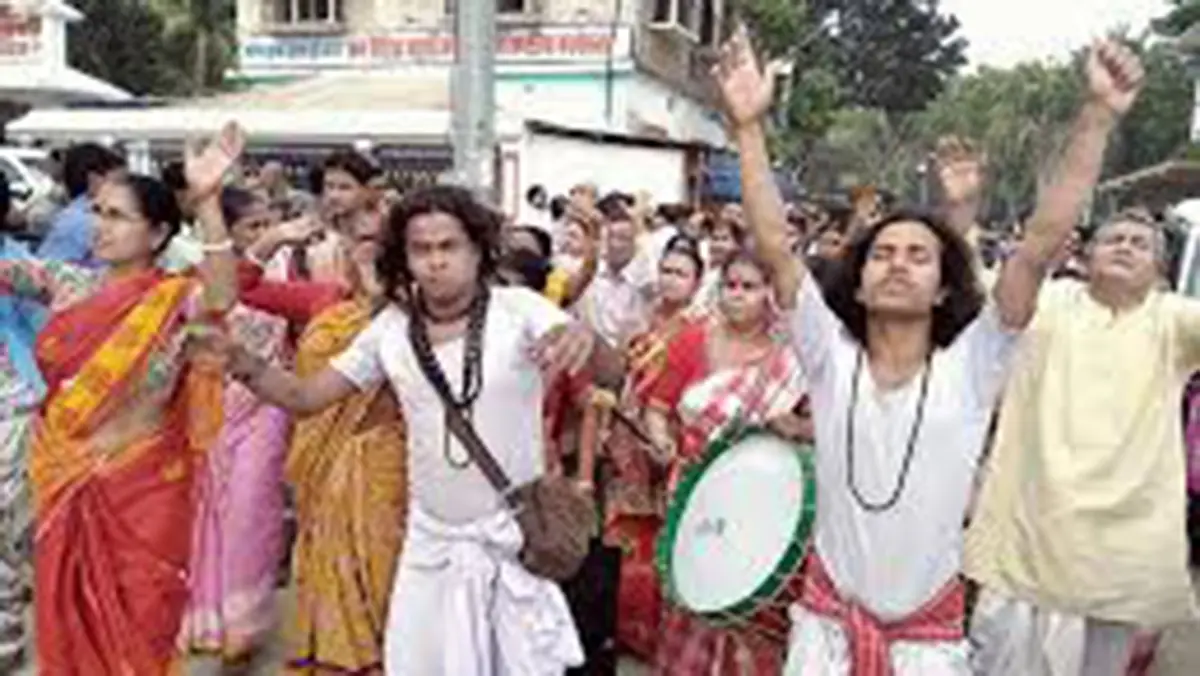
Why in News? Discussions around citizenship and the Citizenship Amendment Act (CAA) have brought attention to the Matua community, many of whom migrated from present‑day Bangladesh and still lack formal citizenship documents. The community holds significant electoral influence in West Bengal.
Background
The Matua movement emerged in the 1860s in what is now Bangladesh. It was founded by Harichand Thakur, a social reformer from the Namasudra (Dalit) community. Harichand preached equality of all humans, devotion through simple bhakti, and rejection of caste hierarchy. His son Guruchand Thakur organised the movement into the Matua Mahasangha and emphasised education and socio‑economic upliftment. The Matuas built schools and promoted women’s education with support from missionaries like C.S. Mead. Their religion is progressive and self‑improvement‑oriented rather than ritualistic.
Migration and Demographics
- Partition refugees: During the 1947 Partition of Bengal and subsequent communal violence, large numbers of Namasudra and Matua families fled East Pakistan (now Bangladesh) for West Bengal. The displacement continued for decades. Many refugees lacked proper documentation, which still affects their access to citizenship rights, property and social benefits.
- Settlement in West Bengal: Matuas settled mainly in districts such as North 24 Parganas, Nadia, South 24 Parganas and Cooch Behar. They are now the second largest Scheduled Caste group in the state, with an estimated population of several million.
- Cultural identity: Matuas practice their own rituals and festivals, including the annual Baruni Snan at Orakandi (Bangladesh), the birthplace of Harichand Thakur. The community debates whether Matua dharma should be recognised as an independent religion or as part of the broader Hindu fold. Most adherents identify as both Matua and Hindu, with a strong anti‑Brahminical stance.
Contemporary Issues
- Citizenship and CAA: Because many Matua families arrived as refugees, they struggle to prove their citizenship. The CAA offers a path to naturalisation for Hindu refugees from neighbouring countries, and political parties have courted the community’s support by promising citizenship rights. The issue remains emotive and politically significant in West Bengal.
- Education and social mobility: Despite poverty and discrimination, the Matua community values education as a route to dignity. Researchers note that community memory continues to uphold schooling and self‑improvement. However, rural inequality, gender barriers and lack of institutional access still limit educational attainment.
- Internal diversity: Not all Namasudras identify with the Matua movement, and within the movement there are varying views on religious autonomy. Debates continue over how to balance cultural identity with political strategy and integration into mainstream society.
Conclusion
The Matua movement began as a spiritual and social reform project that challenged caste oppression and promoted education. Migration and displacement have shaped the community’s history and continue to influence its quest for citizenship and dignity. Addressing documentation issues, ensuring access to education and recognising the community’s cultural heritage are vital for inclusive development in West Bengal.
Sources: TH